Cooking Guides
How to Season Food: A Simple Guide to Salt, Spices, Herbs and Flavour
Seasoning is one of the things that can completely change how food tastes, but it doesn't need to be complicated.
Good seasoning isn't simply about adding more spices. It's about understanding what you're adding, when you add it, how different flavours work together and when to stop.
In my own kitchen I often season by eye rather than measuring every spice. That came from cooking regularly, though, and if you're still finding your feet, measuring is a perfectly good place to start. This guide covers salt, seasoned salt, spices, dried and fresh herbs, garlic and onion, heat, and how to taste and adjust.
By Esther LackiePublished
What Does "Seasoning" Food Actually Mean?
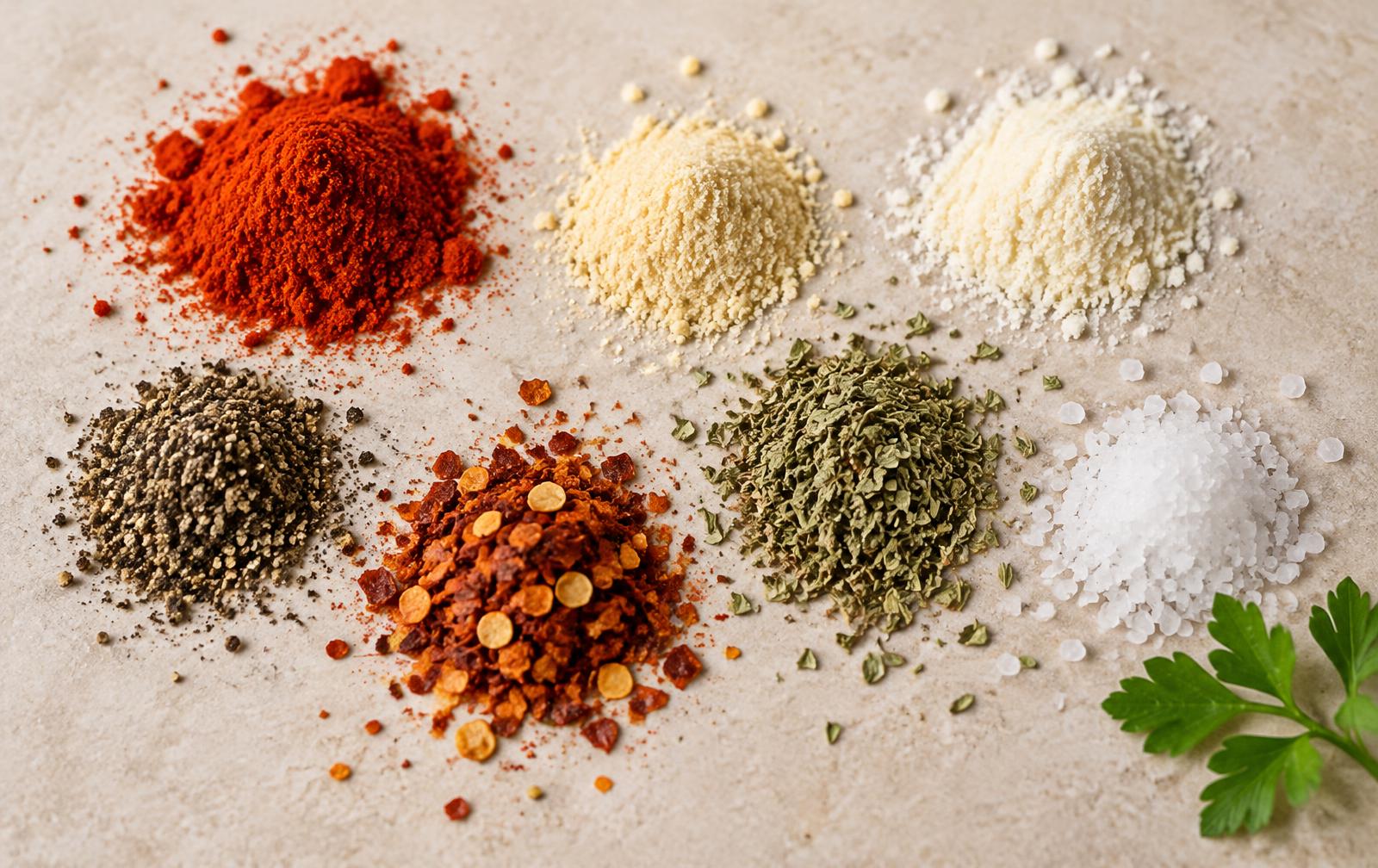
Seasoning simply means adding ingredients that build or balance the flavour of a dish. It isn't the same as making food spicy. A dish can be well seasoned without any heat at all.
Salt, herbs, spices, aromatics such as garlic and onion, something acidic like lemon juice or tomato, and seasoned ingredients such as sauces can all play a part. The aim is food that tastes like the best version of itself, not food that tastes of one overpowering thing.
Starting with Salt
Salt is often the foundation of seasoning. It brings out the flavour that's already in the food, which is why an unsalted dish can taste flat even when it's full of other ingredients.
Seasoning thoughtfully as you cook is not the same as tipping in a large amount at the very end. A little added at the right stage has time to work its way through the dish, and you can build from there.
Before reaching for the salt, think about what's already in the recipe. Soy sauce, cheese and many prepared sauces can bring plenty of salt with them. The FDA also points out that some foods contain sodium without tasting particularly salty, so taste alone doesn't always tell you how much is there.
You won't find a rule here like "so many teaspoons per so many grams of meat". Recipes, ingredients and personal preferences vary too much for one number to suit everyone.
Source: U.S. Food and Drug Administration, Sodium in Your Diet
Salt vs Seasoned Salt
Plain salt mainly adds saltiness. Seasoned salt is salt mixed with other seasonings, so it adds saltiness and extra flavour at the same time.
Seasoned salt blends vary by brand and formulation, so check the ingredient label rather than assuming they all contain the same things.
If you're using seasoned salt, you may not need to add plain salt as well. In my Easy Minced Beef Filling, for example, the beef is seasoned with seasoned salt, garlic powder, paprika and a pinch of togarashi, with no separate plain salt in the ingredients.
Understanding Spices
Dried spices bring warmth, colour, depth and sometimes heat. Familiar ones like paprika, garlic powder, onion powder, black pepper, chilli flakes and ginger powder each do something different, and they don't all have the same strength.
There's no rule that says one spice must always go with one ingredient. What matters is knowing roughly what each one tastes like, so you can decide whether it suits the dish you're making.
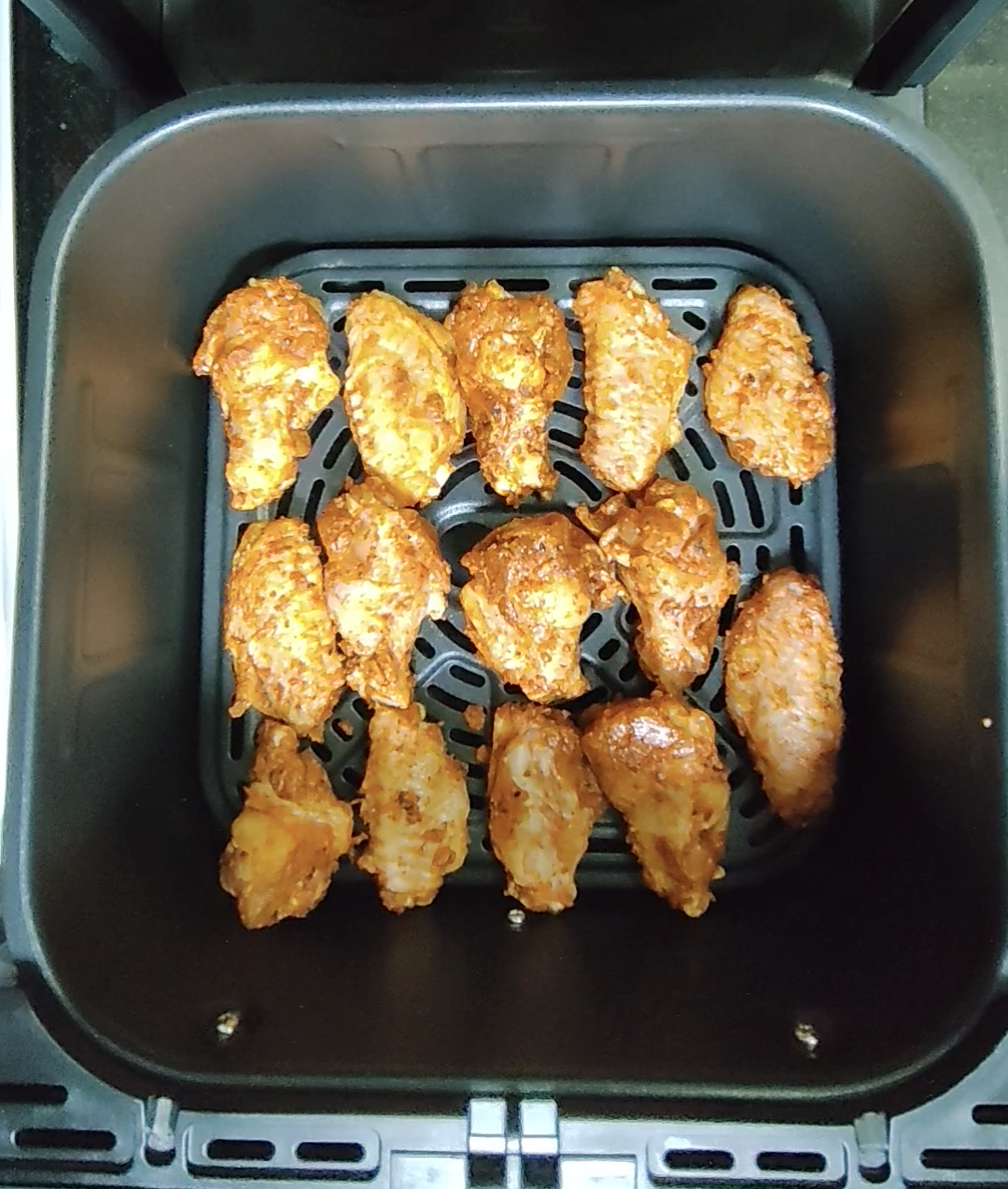
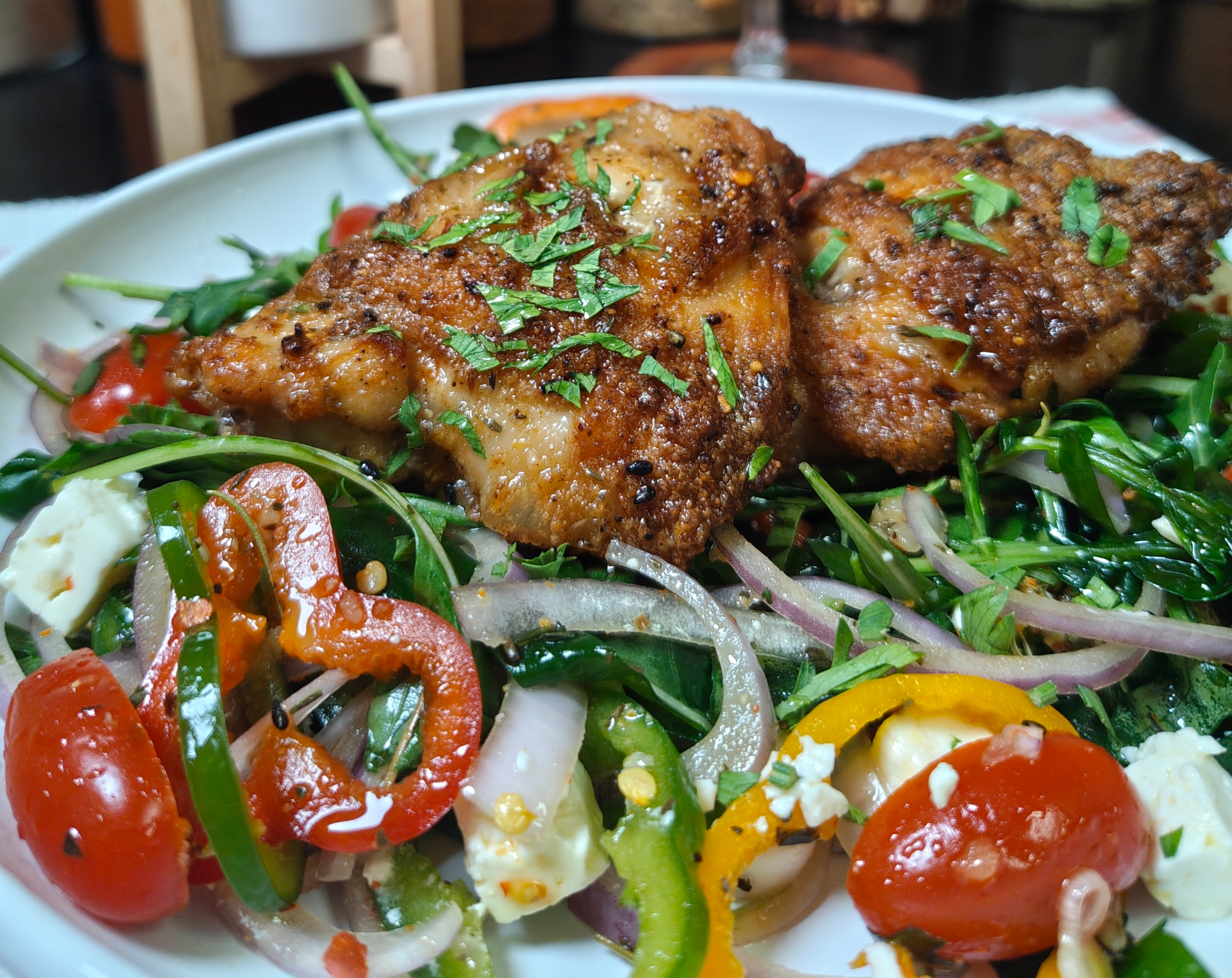
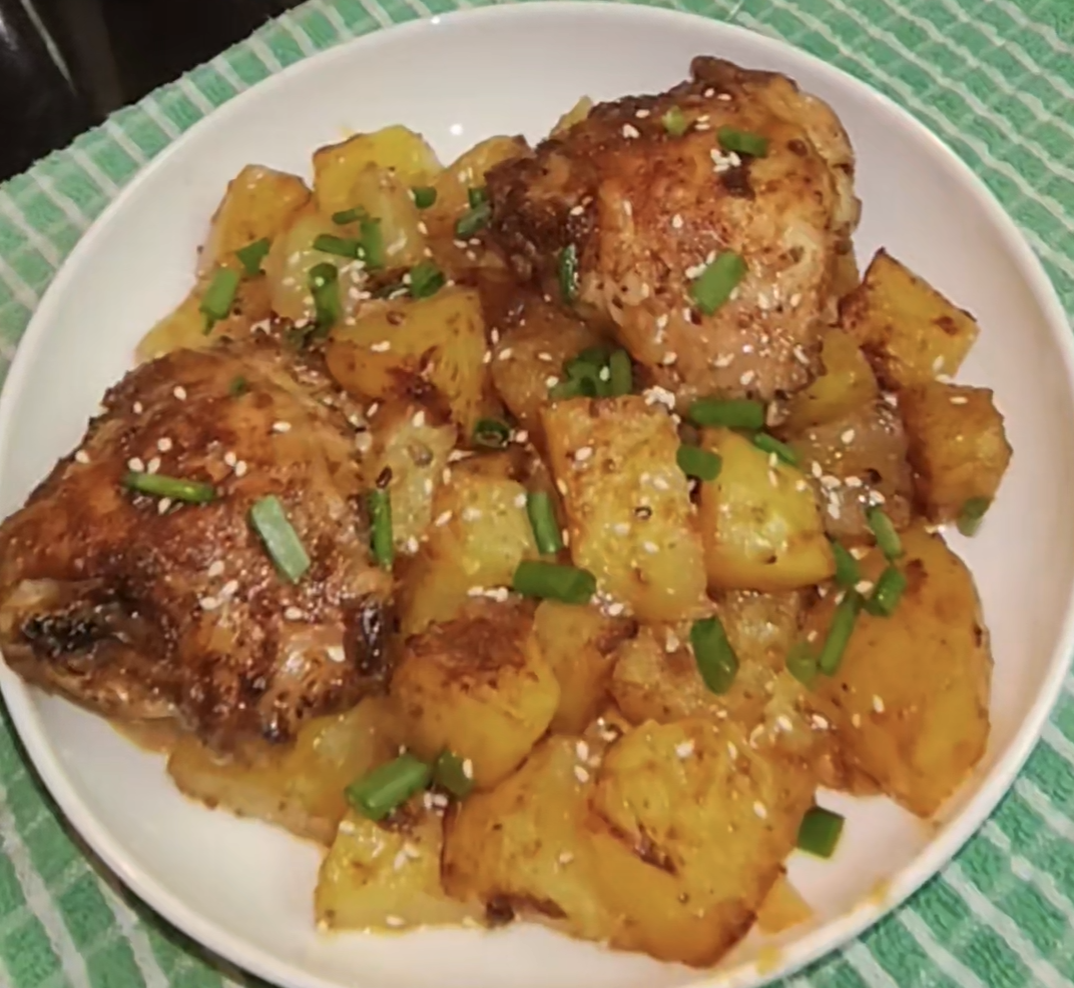
Using lots of spices at once doesn't automatically create better flavour. A few that work well together are often easier to taste and enjoy than a long list competing with each other. My Crispy Air Fryer Chicken Thighs use a handful of everyday seasonings: garlic powder, paprika, onion powder, mixed herbs, salt and black pepper.
Ground Spices Can Burn
Ground spices are fine and dry, so they can scorch when they're exposed to too much direct heat, especially when there's little moisture or fat around them. Burnt spices can taste bitter.
On the stovetop, that usually means watching the heat and not leaving ground spices sitting unattended in a very hot, dry pan. Adding them once there's some oil, onion or meat in the pan gives them something to cling to.
In the air fryer, loose dry seasoning can behave differently because of the circulating hot air. Rubbing seasoning onto food with a little oil helps it stay where you put it rather than sitting loose on the surface. I cover more of this kind of thing in Common Air Fryer Mistakes (And How to Avoid Them).
Dried Herbs vs Fresh Herbs
Dried and fresh herbs are both useful, but they don't always behave the same way.
Dried herbs often work well during cooking, because they have time to release their flavour into the dish. That's why mixed herbs go into the seasoning for my chicken thighs before they're cooked.
Delicate fresh herbs are often best towards the end of cooking or as a finishing touch, when you want their fresh flavour. University of Maine Cooperative Extension suggests adding delicate herbs such as coriander (cilantro) and parsley right at the end or as a garnish. I finish my chicken thighs with fresh parsley, and fresh coriander is stirred through my Easy Minced Beef Filling at the end.
This is a general principle rather than an absolute rule. Some dishes use fresh herbs throughout, and some dried herbs belong in a dressing that's never cooked at all.
Source: University of Maine Cooperative Extension, Using Fresh Herbs in Cooking
Garlic and Onion Are Part of the Flavour Foundation Too
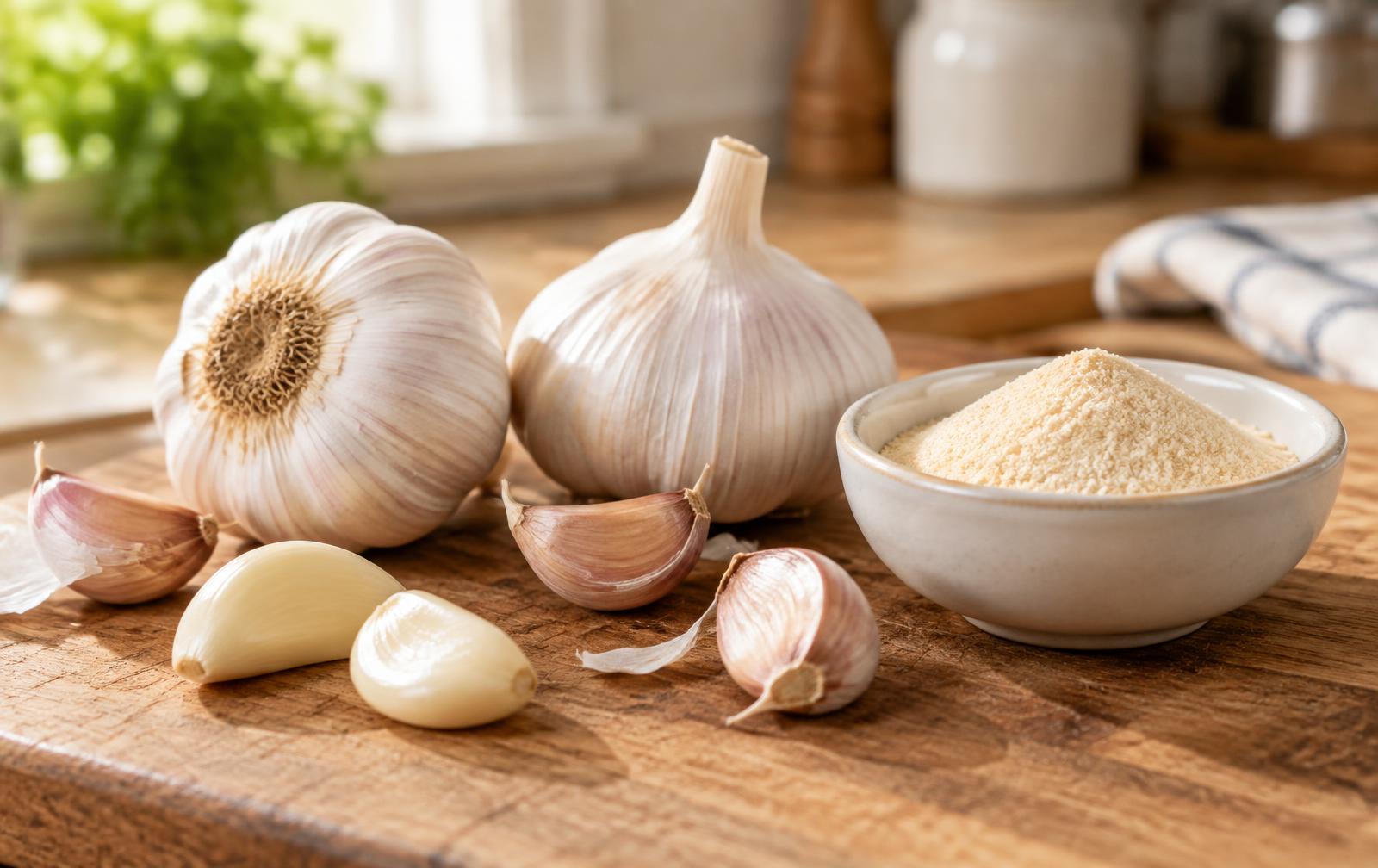
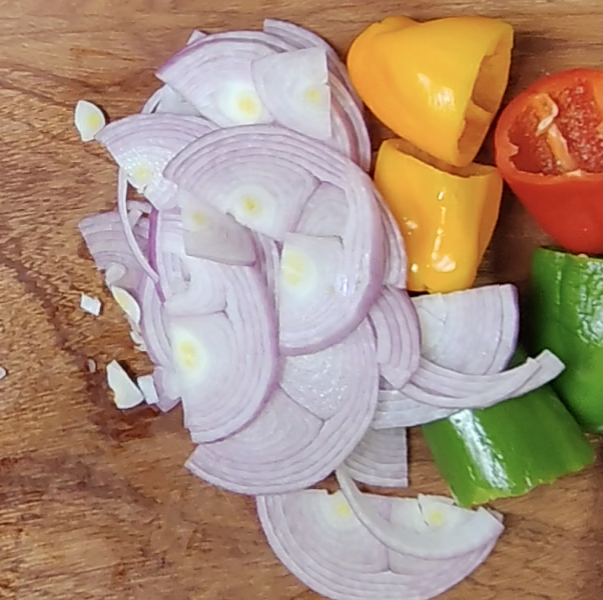
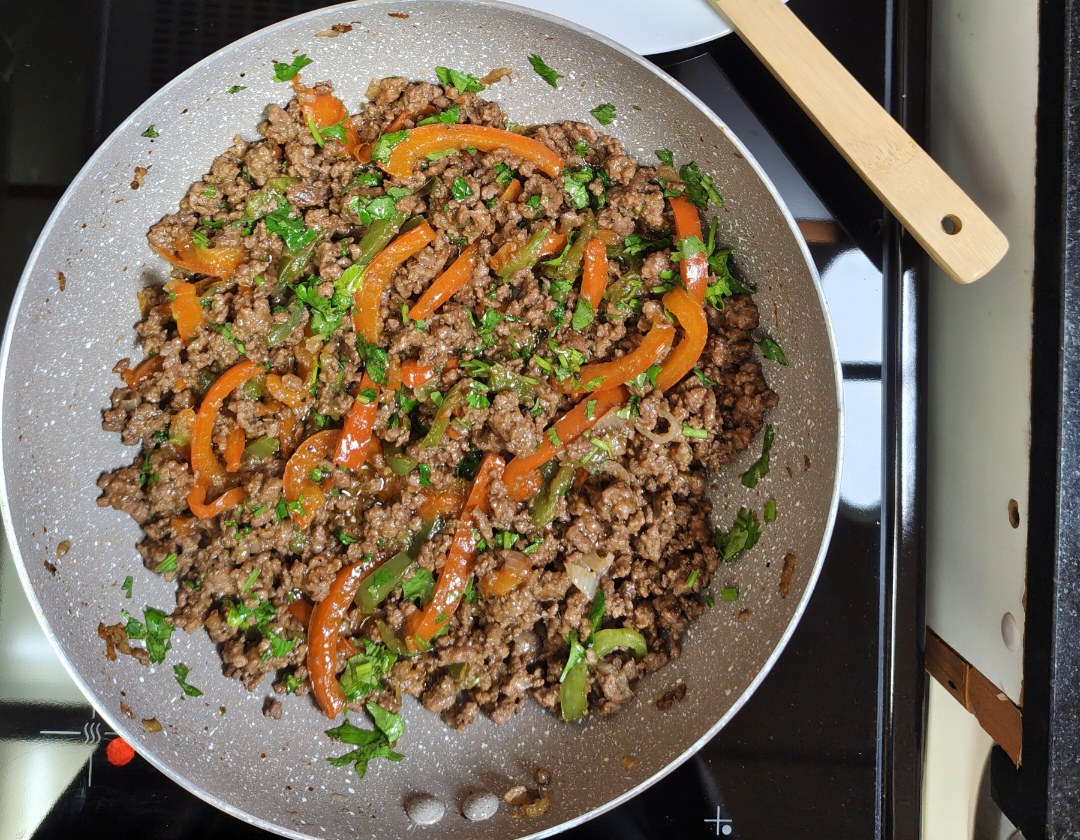
Garlic and onion are aromatics, and they bring a kind of flavour dried seasoning can't fully replace. Fresh onion softened in a pan becomes sweet and savoury, while fresh garlic adds a sharper, more pungent note that mellows as it cooks.
Garlic powder and onion powder play a different role. They spread evenly over the surface of food, which makes them handy in dry seasonings and rubs, but they don't add texture or moisture the way fresh garlic and onion do. Many of my recipes use both fresh aromatics and the powders, depending on the dish.
I've gone into much more detail in How to Cook with Garlic: Fresh, Crushed, Chopped, Roasted & Garlic Powder and How to Cook with Onions: Raw, Sautéed, Caramelised and Air Fried.
Adding Heat Without Letting It Take Over
Flavour and heat aren't the same thing. Chilli flakes, fresh chilli, chilli powder and chilli-based spice blends can all add heat, and some bring flavour too, but heat can easily take over a dish.
Heat tolerance varies a lot from person to person. What feels gentle to one person can be far too much for another.
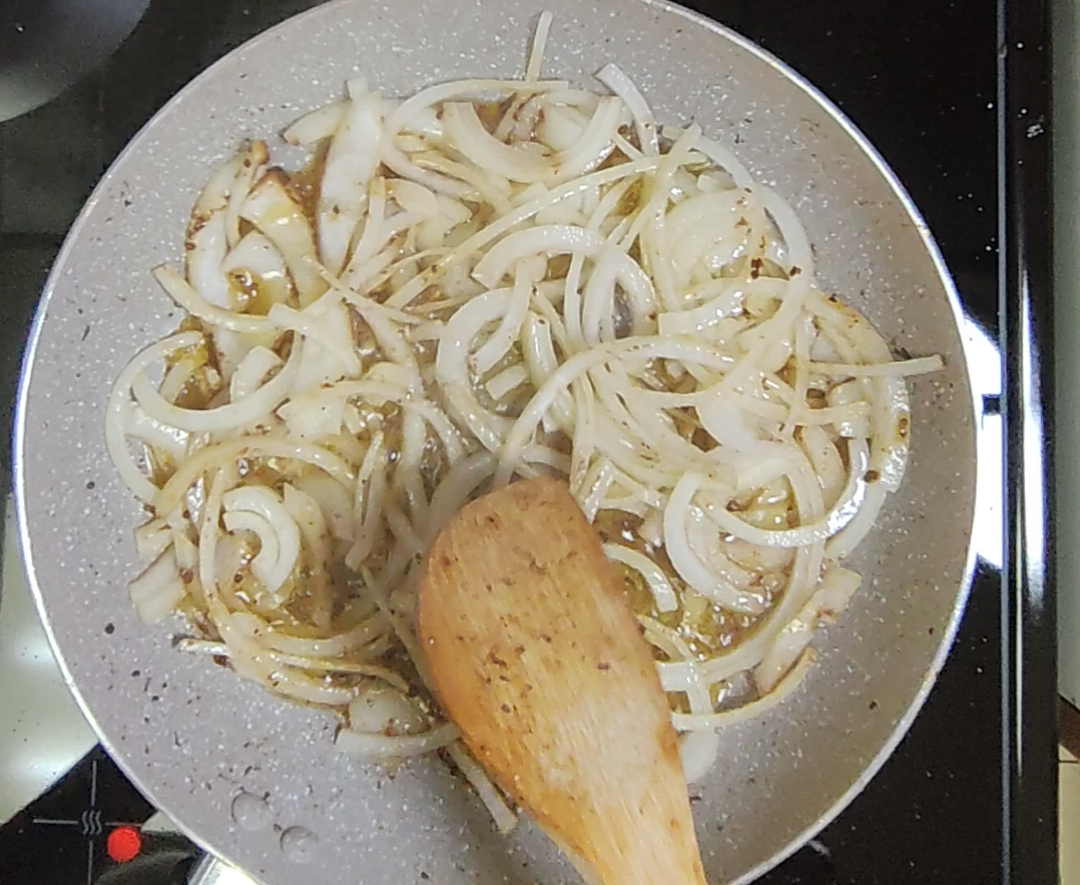
Different chillies and blends can also vary considerably in strength, so start cautiously with anything unfamiliar. You can always add more, but it's much harder to take heat away. In my Easy Minced Beef Filling, the togarashi goes in as just a pinch.
Seasoning in Layers
People often talk about building or layering flavour. In practice, it looks something like this:
- An onion is cooked first, becoming softer and sweeter.
- Garlic may follow.
- Spices go in during cooking, once there's something in the pan for them to coat.
- A sauce or other seasoned ingredient adds more salt and flavour.
- Fresh herbs go in towards the end.
Each stage adds something different. My Easy Minced Beef Filling follows a similar pattern: onion softened first, the beef seasoned during cooking, peppers added, a spoonful of teriyaki sauce near the end and fresh coriander to finish.
That doesn't mean every recipe needs seasoning added at every stage. Some dishes are best kept simple. My Traditional Beef Liver Stew with Peppers has no complicated spice mix at all, just onions, garlic, peppers, tomato paste, salt to taste and plenty of fresh coriander.
Why "To Taste" Is Sometimes the Right Measurement
"To taste" doesn't mean measurements don't matter, and it doesn't mean beginners are expected to magically know the right amount.
It means ingredients differ, brands differ and people's preferences differ. For things like salt, black pepper, herbs and some spices, adjusting to your own taste can be more useful than pretending one exact quantity suits everybody. Mississippi State University Extension makes a similar point about herbs: add a small amount, taste, and add more if you want it.
I often season by eye in my own kitchen. That's simply how I cook, not something you need to copy.
Tasting as you cook is only appropriate when the food is safe to taste at that stage. Never taste raw meat, raw poultry, raw fish, raw egg mixtures, or raw flour, dough or batter. The FDA advises against tasting raw flour, dough or batter because cooking is the only way to make sure foods made with raw flour and eggs are safe. With something like my chicken thighs, the seasoning happens before cooking, so that's a dish where you rely on judgement rather than tasting.
Source: Mississippi State University Extension, Cooking With Herbs; U.S. Food and Drug Administration, Handling Flour Safely: What You Need to Know
Taste, Then Adjust
When a dish is safe to taste, a simple approach works well:
- Taste it.
- Think about what seems to be missing.
- Adjust a little at a time.
- Taste again.
If you add several different seasonings at once, it becomes hard to tell which one made the difference, or which one went too far.
And if something tastes flat, the answer isn't automatically more salt. Depending on the dish, it might need another flavour element, such as something fresh or a little acidity, or it might simply need more time cooking.
Common Seasoning Mistakes
- Adding too much seasoning at once, rather than building gradually.
- Assuming more spices automatically means more flavour.
- Forgetting that sauces, cheese and other ingredients may already contain salt.
- Using a new spice blend without checking what's already in it, such as salt or chilli.
- Letting ground spices burn in a very hot, dry pan.
- Adding delicate fresh herbs too early when you want their fresh character.
- Trying to fix a dish that's already too salty by adding more strongly seasoned ingredients.
How I Season Food in My Own Kitchen
I often cook by eye. I look at the dish in front of me, how much food there is and what's already gone into it, and use that to decide how much seasoning it needs, rather than automatically measuring every spice.
That's why some Lackie Flavors recipes say "to taste", when that genuinely reflects how I cooked the dish. My Easy Air Fryer Chicken and Potatoes, for example, lists salt, paprika, BBQ spice, garlic powder and onion powder to taste.
When I've actually measured something and the amount matters to the recipe, I record it. My Easy Air Fryer Salmon gives exact amounts of garlic powder, paprika, black pepper and salt, and my Easy Minced Beef Filling does the same for its seasonings.
The point isn't that measurements are bad. It's that seasoning is also something you get more comfortable judging with experience.
Lackie's Notes
Getting comfortable with seasoning comes from cooking regularly and noticing what changes the flavour of your food. I season by eye a lot of the time now, but that developed over time, through cooking often and getting to know the ingredients I use. Start with a recipe, pay attention as you go, and trust yourself a little more each time.