Cooking Guides
How to Cook with Garlic: Fresh, Crushed, Chopped, Roasted & Garlic Powder
Garlic is one of those ingredients I reach for all the time. Sometimes I crush fresh cloves straight into a dressing, sometimes I cook them with onions, and sometimes garlic powder is exactly what I want for a seasoning mix.
But they don't all behave in the same way.
Whole, sliced, chopped, crushed and grated garlic can each bring something slightly different to a dish. Cooking garlic changes it again, while garlic powder is particularly useful when I want the flavour distributed evenly through a seasoning or rub.
This guide looks at some of the easiest ways to use garlic, when each one works well and how to avoid one of the easiest garlic mistakes to make: burning it.
By Esther LackiePublished
Why the Way You Prepare Garlic Matters
When you cut or crush a fresh garlic clove, you break open its cells. That sets off reactions involving sulfur-containing compounds, and those are responsible for much of garlic's familiar aroma and bite.
Generally, the more finely fresh garlic is broken down, the more immediate and intense its flavour can seem. Larger pieces and whole cloves usually give a gentler effect, particularly when they're cooked slowly.
How you cook the garlic, and for how long, changes the final flavour too. It isn't an exact formula, but it's a useful way to think about which preparation to reach for.
Source: Utah State University Extension, Fruit and Vegetable Guide Series: Garlic
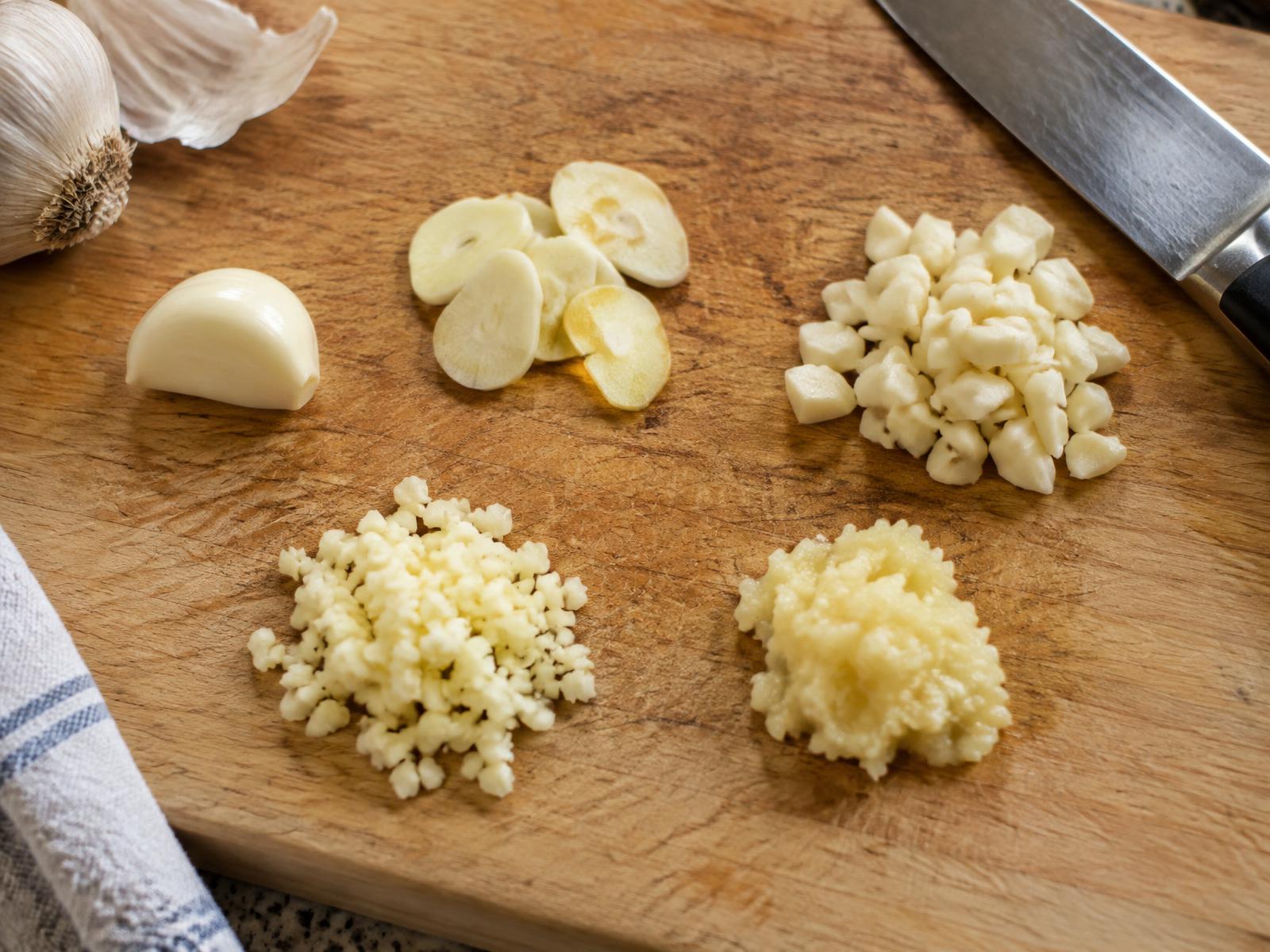
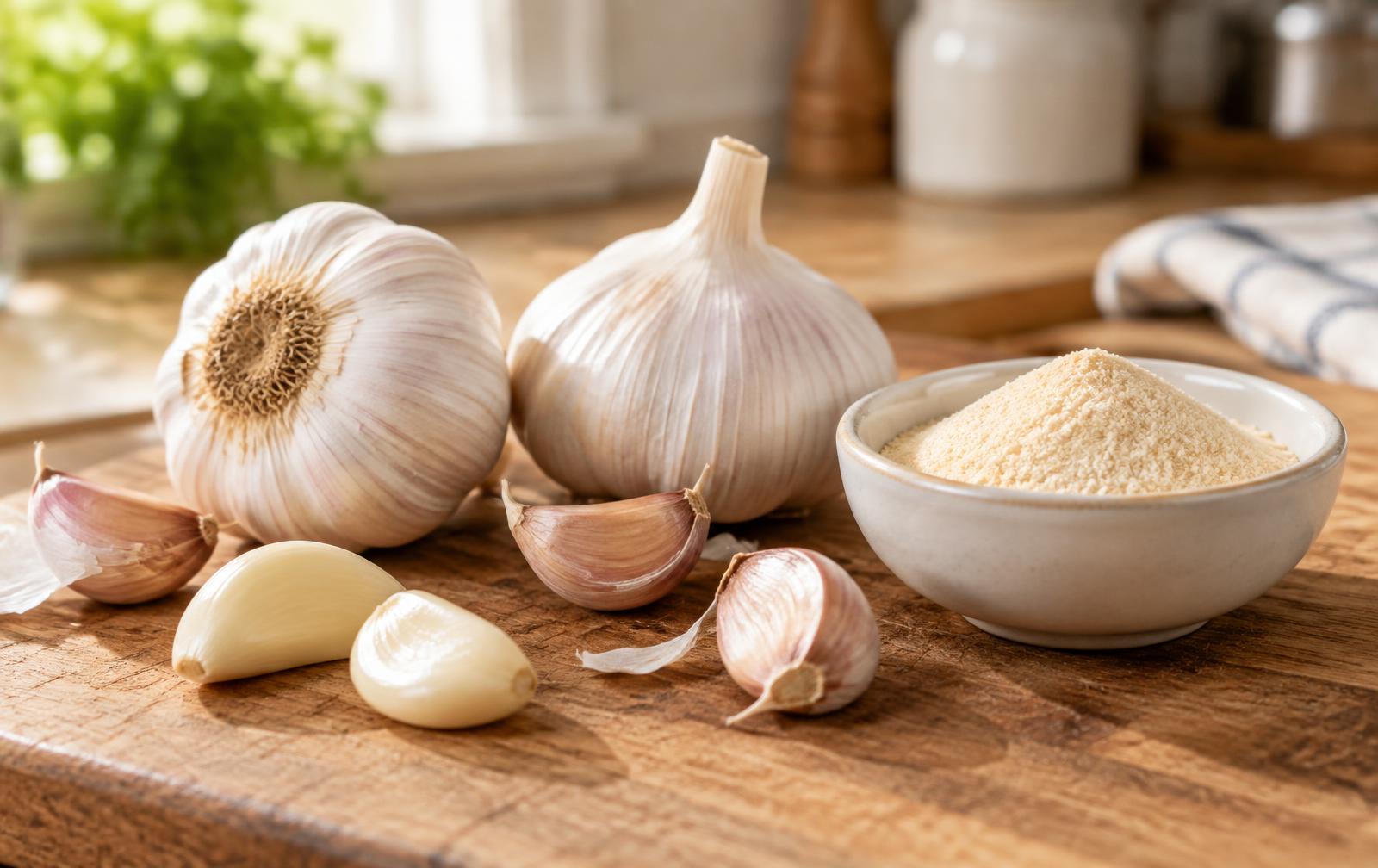
Whole Garlic Cloves
Whole or lightly crushed cloves are useful when you want a gentler garlic flavour running through a dish.
They suit soups, stews, slow-cooked dishes and roasting, and they cope with longer cooking far better than finely prepared garlic. As they cook slowly, their sharpness softens.
Sliced Garlic
Sliced garlic gives you visible pieces and generally a milder effect than finely minced, crushed or grated garlic.
It works well when you want the garlic to stay noticeable in the finished dish rather than disappearing completely.
Thin slices can still burn quickly over high heat, so keep an eye on them.
Chopped or Minced Garlic
Chopping or mincing exposes more of the garlic than leaving it whole or sliced, which helps it spread through the food.
It's handy in sauces, stews, sautés, marinades and mixed dishes.
The finer the garlic is chopped, the more closely it needs watching around high heat. When you add it depends on the recipe; there isn't one right stage for every dish.
Crushed Garlic
Crushed garlic gives a strong, well-distributed fresh garlic flavour, and it's the preparation I use most often in my own cooking.
It works particularly well in dressings, dips, marinades and sauces.
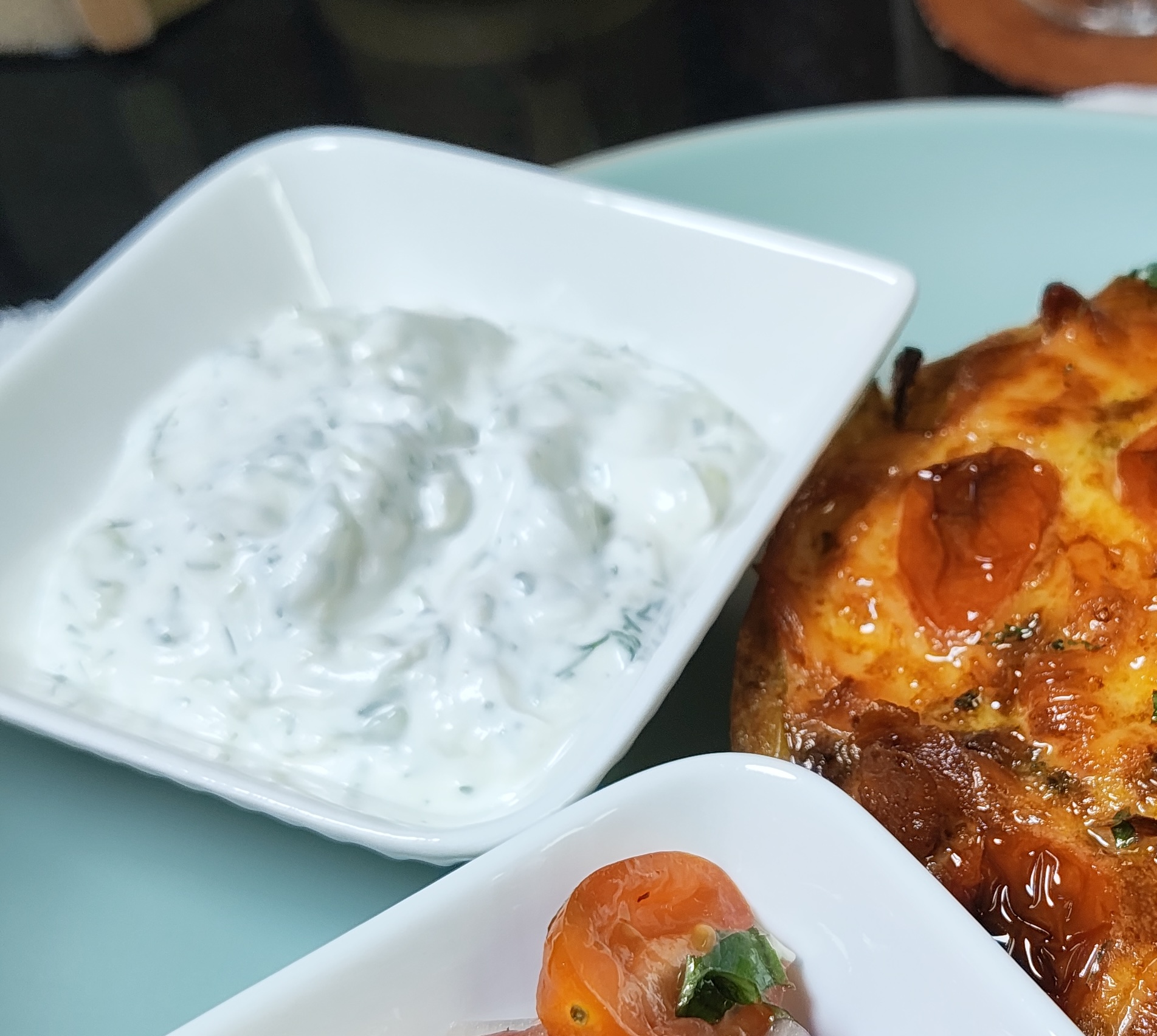
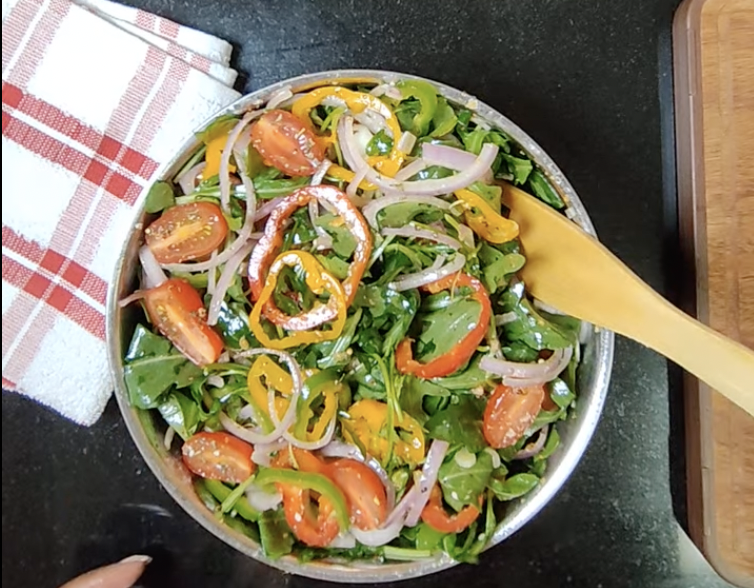
I use crushed garlic in my Garlic Cucumber Yoghurt Dip with Dill and in the dressing for my Easy Rocket & Colourful Bell Pepper Salad. It also goes into cooked dishes such as my Traditional Beef Liver Stew with Peppers and the sauce for my Penne with Meatballs in Garlic Tomato Sauce.
Grated Garlic
Finely grated garlic can give an especially intense flavour, because the clove has been broken down so thoroughly.
It's useful when you want the garlic to disappear into dressings, dips, marinades or sauces.
Grated garlic can burn very quickly over direct high heat. It isn't better than crushing or chopping, just different, so choose it when that smooth, melt-in texture suits the dish.
Roasted Garlic
Slow roasting softens garlic's raw pungency and turns the cloves soft, mellow and sweeter.
Roasted garlic is lovely stirred into spreads, sauces, mashed vegetables, dressings and all sorts of savoury dishes.
Garlic Powder
Garlic powder is dried garlic that has been ground into a fine powder. I don't think of it as a poor substitute for fresh garlic. It's a useful ingredient in its own right.
Because it's so fine, it spreads easily and evenly across the surface of food. That makes it especially good for dry seasoning blends and rubs, seasoning meat, fish or vegetables, and seasoning food before it goes into the air fryer. It's also the easy choice when you want garlic flavour without pieces of fresh garlic.
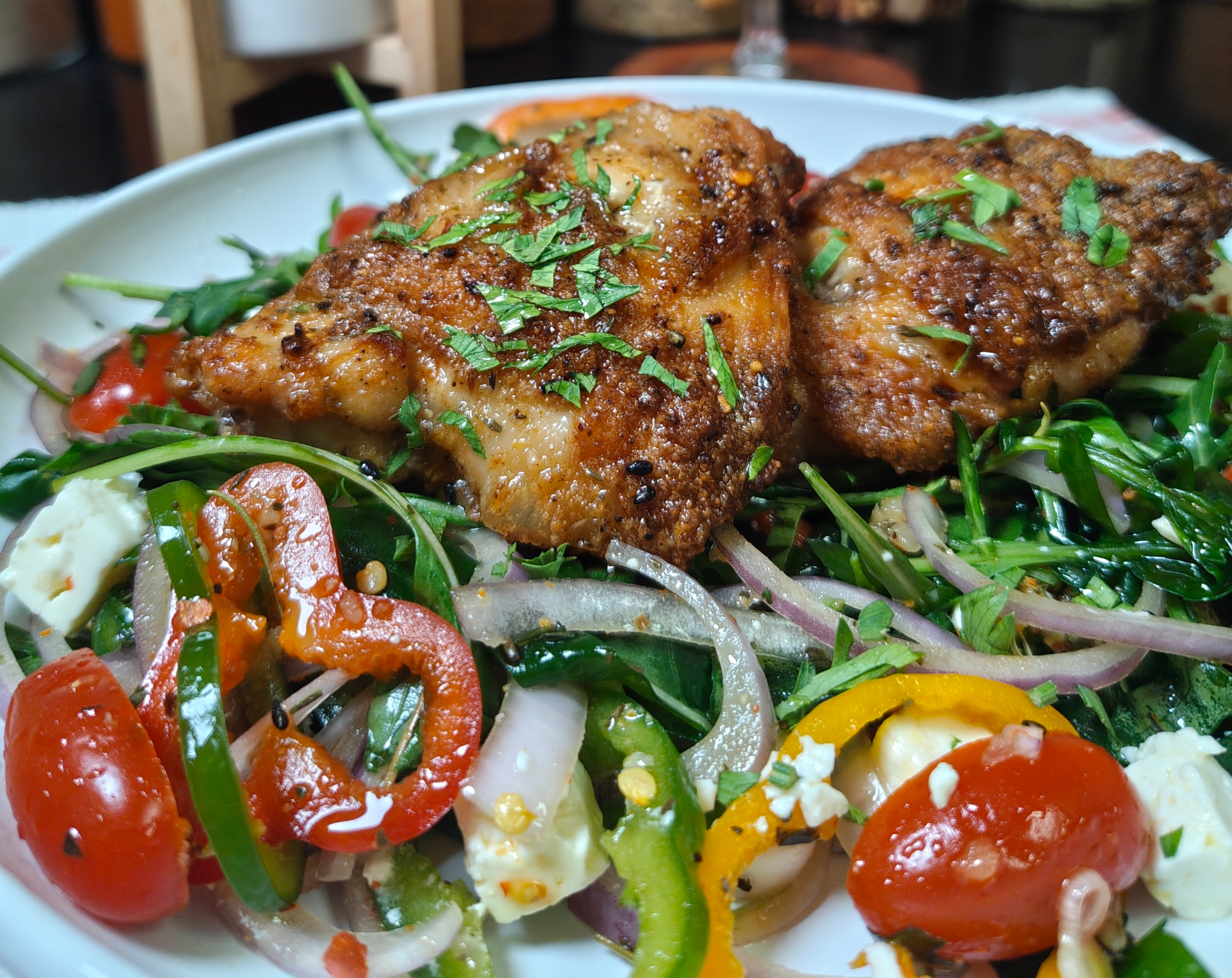
I use garlic powder in several of my air fryer recipes, including my Crispy Air Fryer Chicken Thighs and Easy Air Fryer Salmon, where it goes into the seasoning along with the other spices.
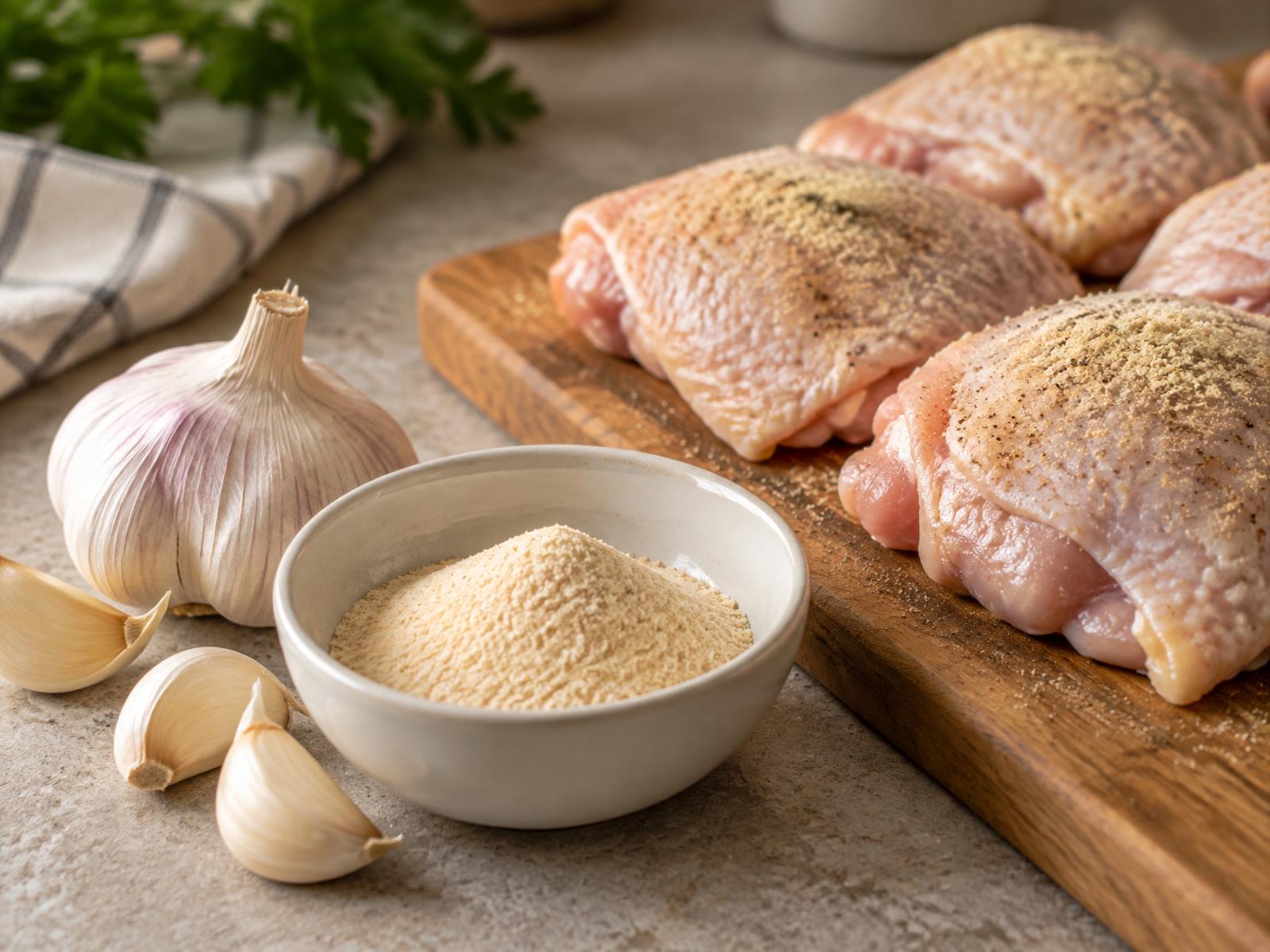
Fresh Garlic vs Garlic Powder
Neither one is better across the board. They're useful in different situations, and the right choice depends on the dish and the result you want.
- Fresh garlic: when the fresh garlic character is part of the dish, for dips, dressings and sauces, when sautéing garlic as part of a cooked base, or when its texture and fresh aroma add to the result.
- Garlic powder: for dry seasoning blends, for seasoning the surface of meat, fish or vegetables, when even distribution matters, or when you don't want extra moisture or pieces of garlic.
Garlic Powder vs Garlic Salt
Garlic powder and garlic salt are not the same ingredient.
Garlic powder is essentially dried, ground garlic. Garlic salt combines garlic seasoning with salt.
Because garlic salt adds extra salt, swapping it straight in for garlic powder can change the overall seasoning of a dish. Products vary, so check the ingredient label to see what you're using.
How to Keep Garlic from Burning
Finely chopped, minced, crushed and grated fresh garlic have lots of exposed surface, so they need more attention around high heat. Garlic that gets too dark can turn unpleasantly bitter.
- Avoid leaving finely prepared fresh garlic unattended over strong heat.
- Stir it as it cooks.
- Watch the colour and smell rather than relying only on a timer.
- If the rest of the dish needs much longer cooking, think about when to add the garlic rather than automatically putting finely minced garlic into very hot oil at the start.
- If the garlic burns badly, starting that small part again usually gives a better result than letting burnt garlic flavour the whole meal.
Using Garlic Powder Around High Heat
Garlic powder can also turn too dark or bitter with too much direct heat.
In a seasoning blend it's usually spread over the food rather than fried as a concentrated mound of powder, which helps.
Raw Garlic
Fresh garlic doesn't always need cooking. Crushed, minced or grated raw garlic works well in salad dressings, dips, sauces and marinades.
Just remember that raw garlic tastes much sharper and more pungent than cooked garlic, so taste as you go. The yoghurt dip and rocket salad above both use it raw.
Garlic in Oil: A Storage Note
Homemade garlic-in-oil mixtures shouldn't simply be left at room temperature for storage.
The CDC advises refrigerating homemade oils made with garlic or herbs and throwing away any unused oil after 4 days. Handled that way, homemade garlic oil is a perfectly good thing to make.
Source: CDC, Botulism Prevention
Storing Fresh Garlic
Keep whole garlic bulbs somewhere dry and well ventilated. How long they last depends on how fresh they were and how they're kept, so check them before using.
Don't store whole bulbs submerged in oil. Garlic in oil needs the refrigerated handling above.
Storing Garlic Powder
Keep garlic powder dry, tightly closed and away from moisture, and follow the storage instructions on the pack.
A best-before date is about quality rather than a moment when the powder suddenly becomes unsafe.
Which Garlic Should I Use?
- Whole cloves: when you want gentler garlic flavour or longer cooking.
- Sliced: when you want visible pieces and a milder garlic presence.
- Chopped or minced: when you want fresh garlic spread through a cooked dish.
- Crushed: when you want strong fresh garlic flavour through sauces, marinades, dips or dressings.
- Grated: when you want fresh garlic to disappear into a mixture with an especially intense flavour.
- Roasted: when you want a soft texture and mellow, sweeter garlic flavour.
- Garlic powder: when you want even garlic seasoning, particularly in dry blends, rubs or over the surface of food.