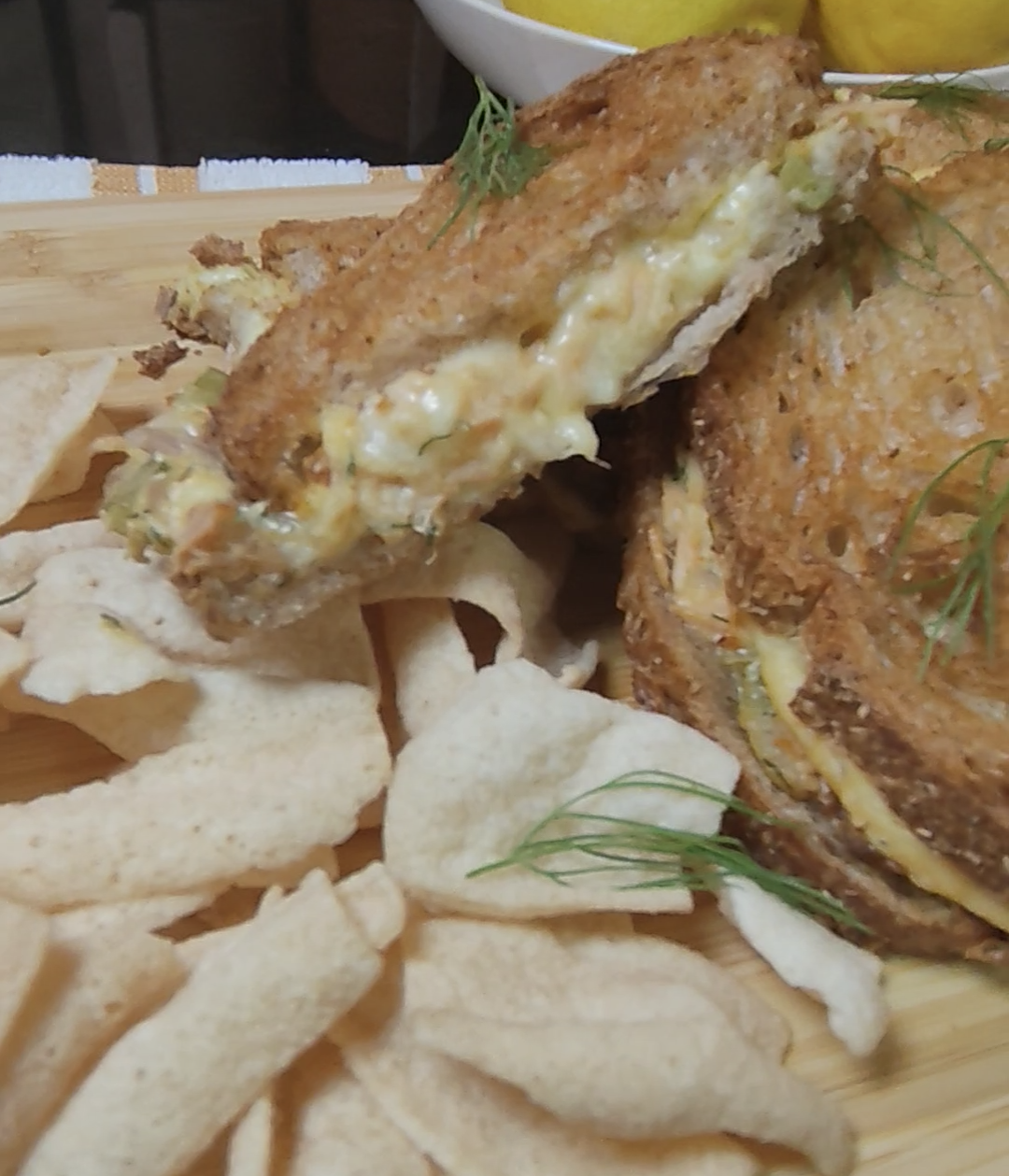
Air Fryer Guides
Common Air Fryer Mistakes (And How to Avoid Them)
Air fryers are straightforward once you get used to them, but sometimes we make them more complicated than they need to be.
Not every piece of air fryer advice applies to every food or every machine. Something that works for chicken wings might make no sense for salmon, pastries or rice.
Rather than a dramatic list of things you should never do, these are the common mistakes I think are worth watching out for, along with what I do instead.
By Esther LackiePublished
1. Overcrowding the Basket
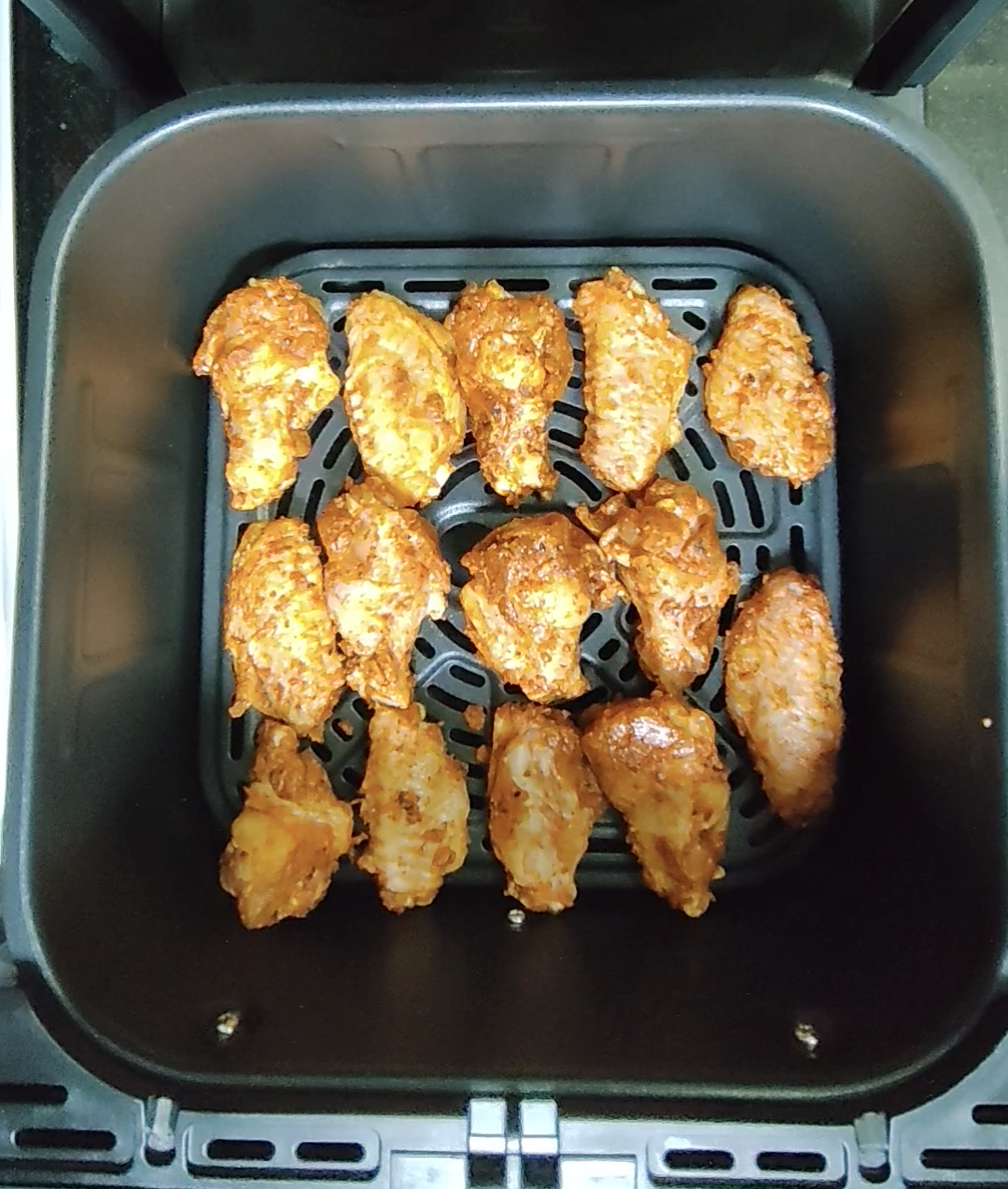
Putting too much food into the basket can restrict the circulating hot air and affect even cooking, browning and crisping. But a basket that looks full is not automatically overcrowded.
This basket looks fairly full, but the wings cooked beautifully and they were yummy. What matters is whether the hot air can circulate well enough for the result you want.
When maximum crisping matters, giving the food more room or cooking in batches may help. Follow the capacity and cooking guidance for your particular air fryer.
2. Using a Loose Liner Without Weighing It Down
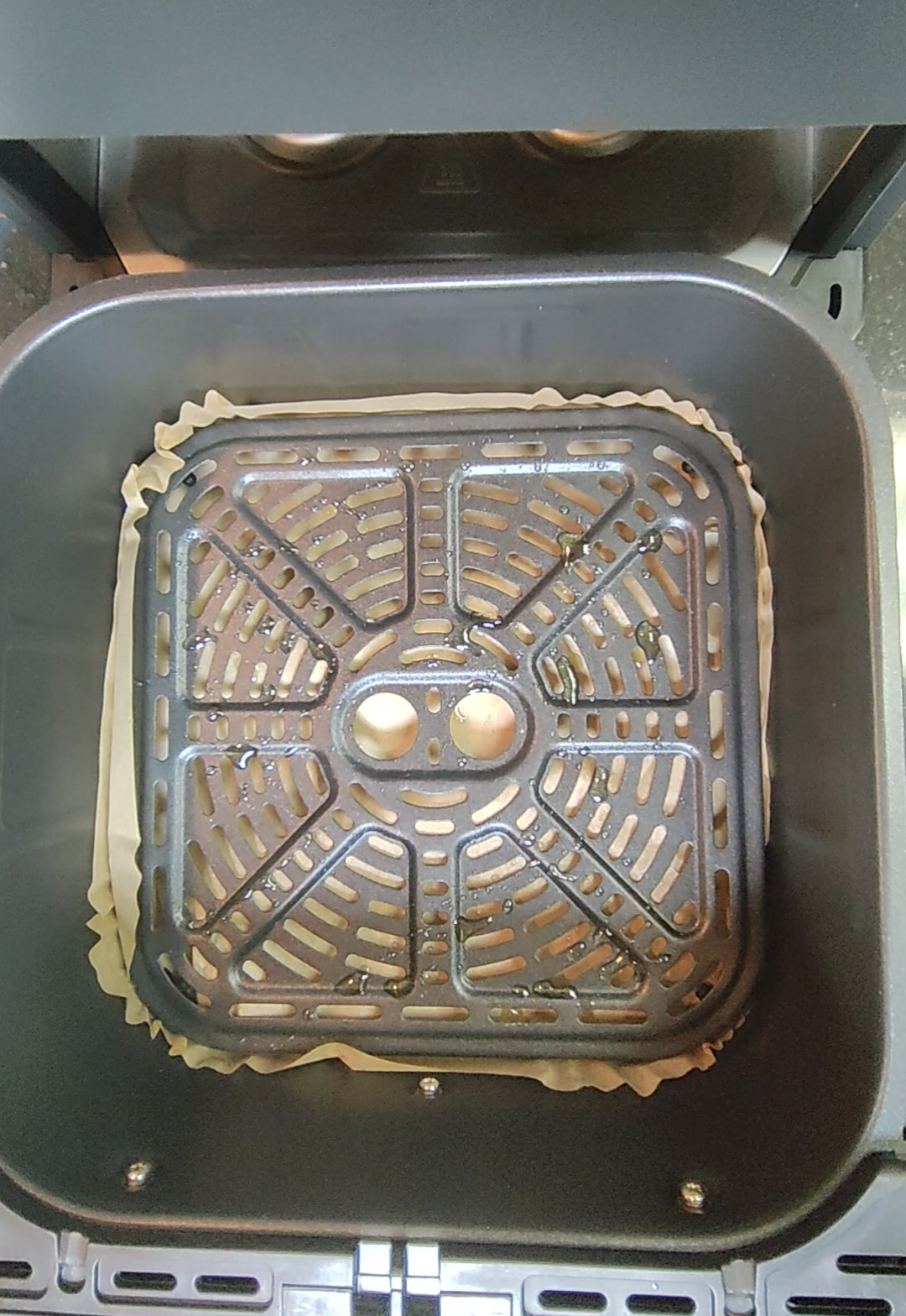
Air fryer liners can make cleanup easier, but lightweight parchment should not be operated loose or unsecured where circulating air could move it towards the heating element.
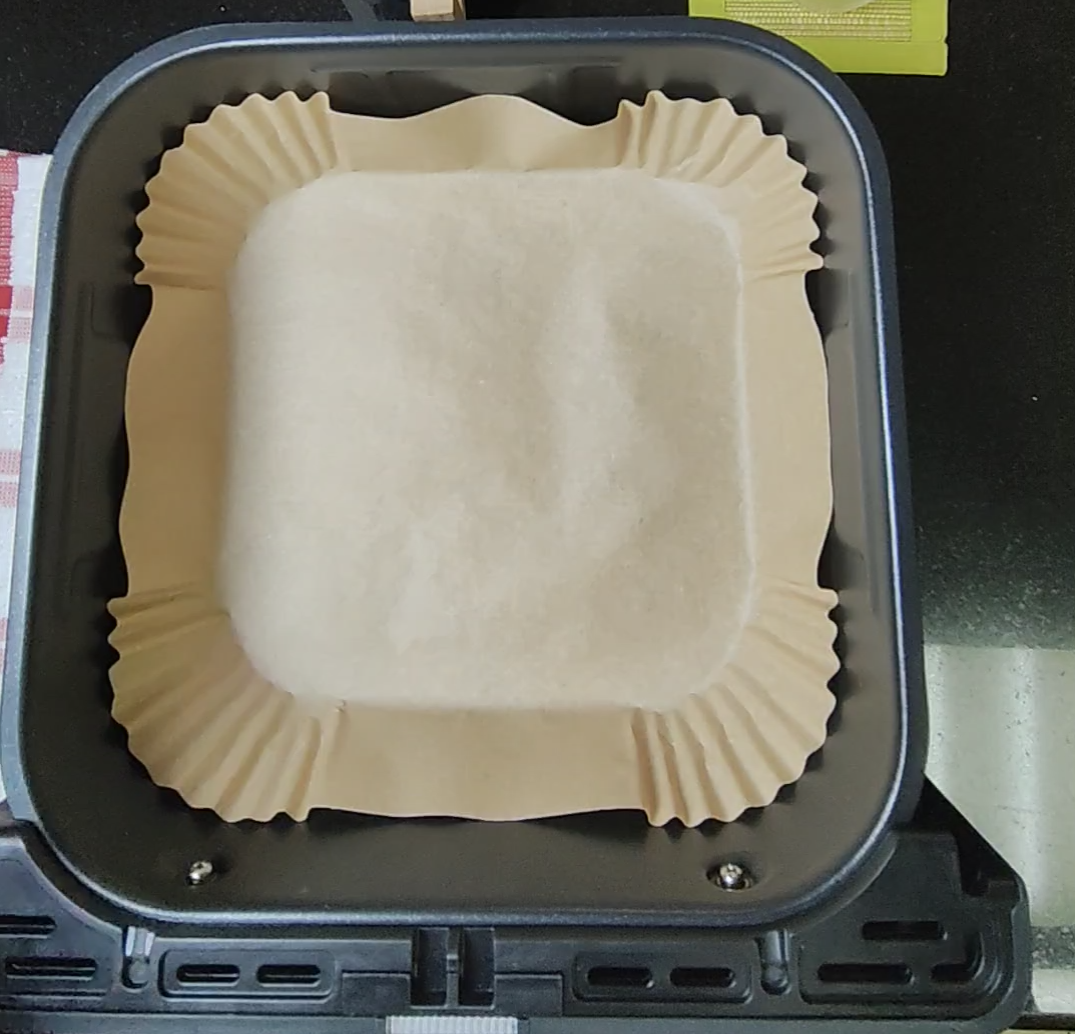
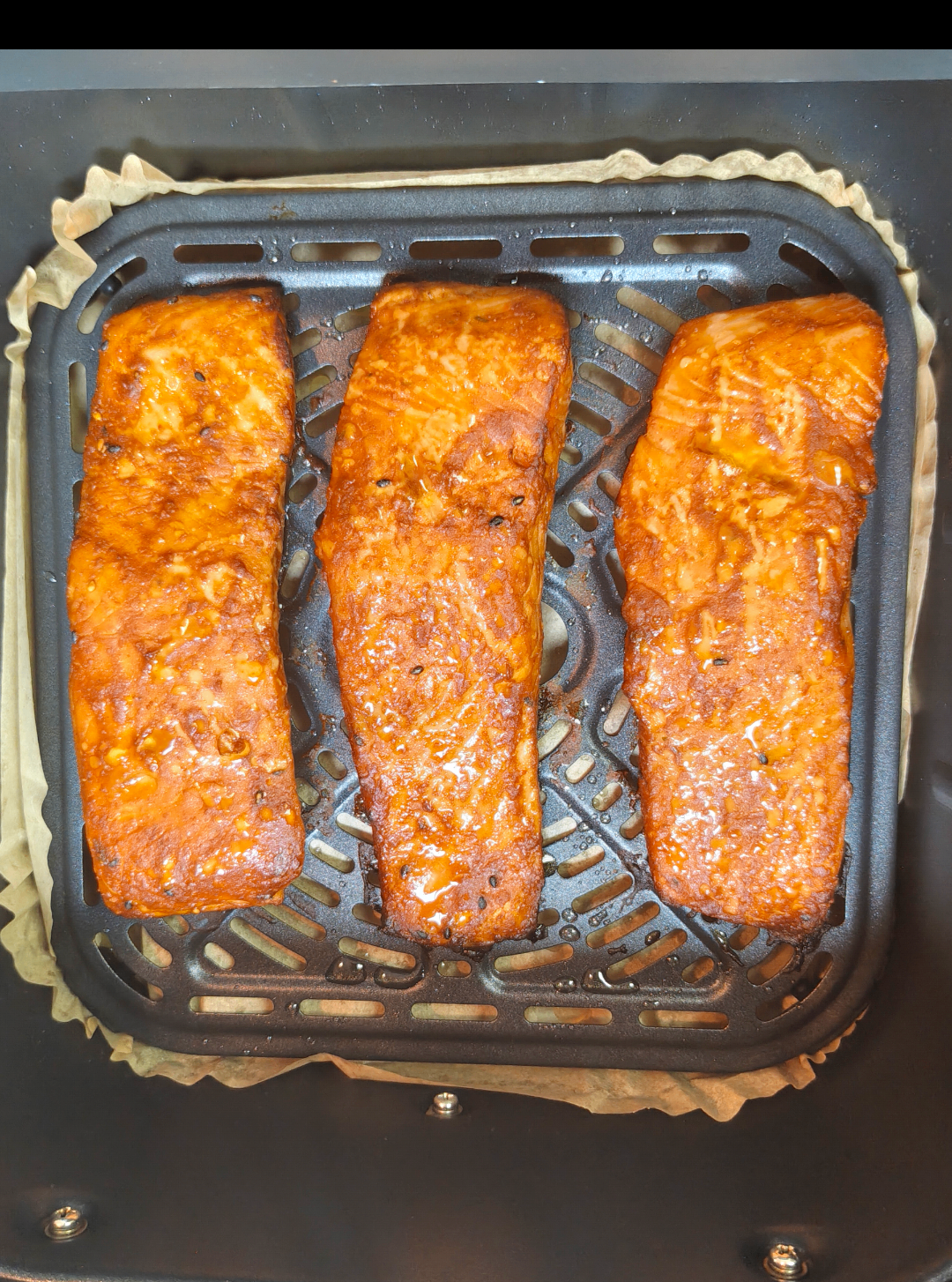
I've shown the liner empty here so you can see how it sits in the basket, but I didn't run the air fryer like this. Lightweight parchment should be secured by food before the air fryer is switched on.
When I use a parchment-style liner, food holds it securely in place. I also make sure it does not obstruct any areas the appliance manufacturer says must remain clear.
There is no universal temperature limit for every liner. Follow the instructions supplied with both your air fryer and the liner. My Can You Use Air Fryer Liners? What You Need to Know guide explains this in more detail.
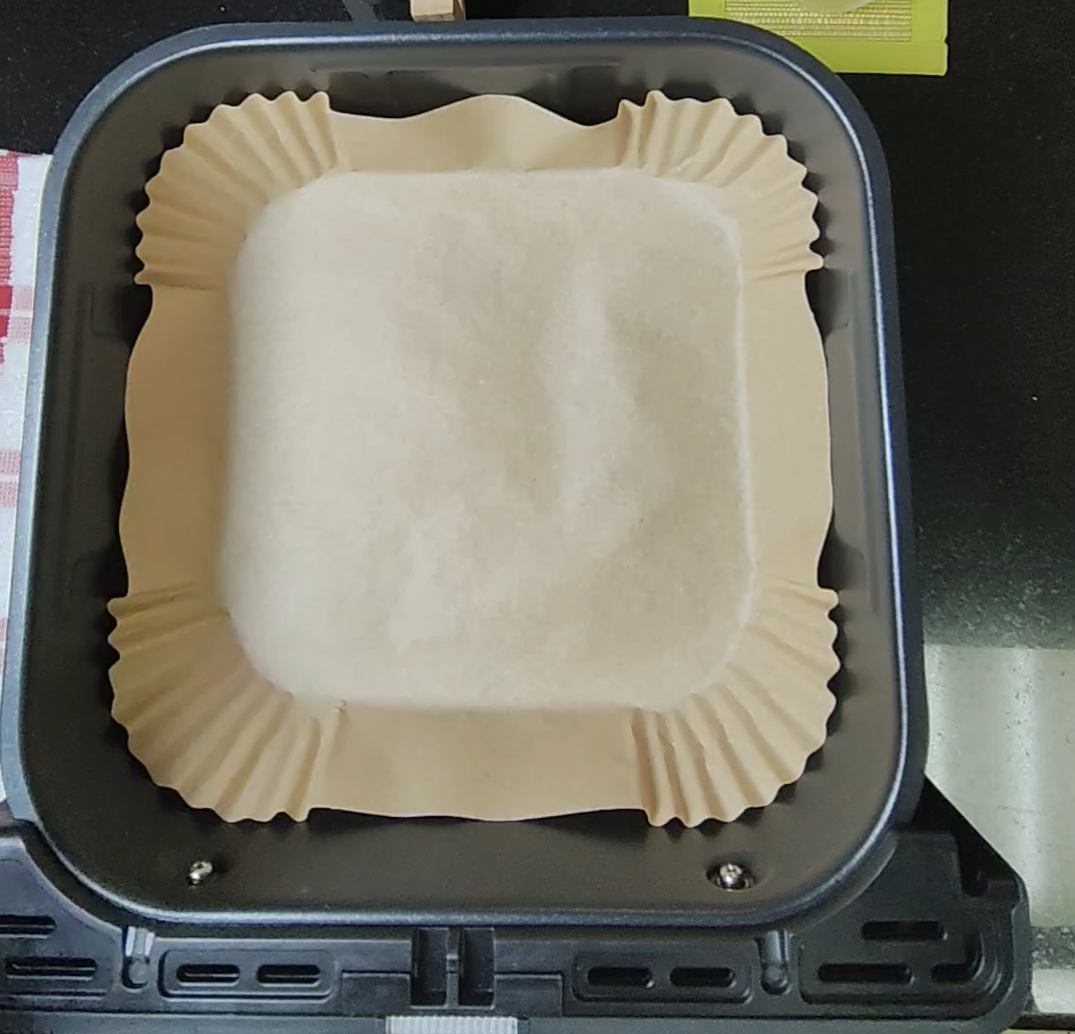
Here, the food keeps the parchment-style liner securely in place.
3. Assuming Everything Needs to Sit Directly on the Crisper Plate
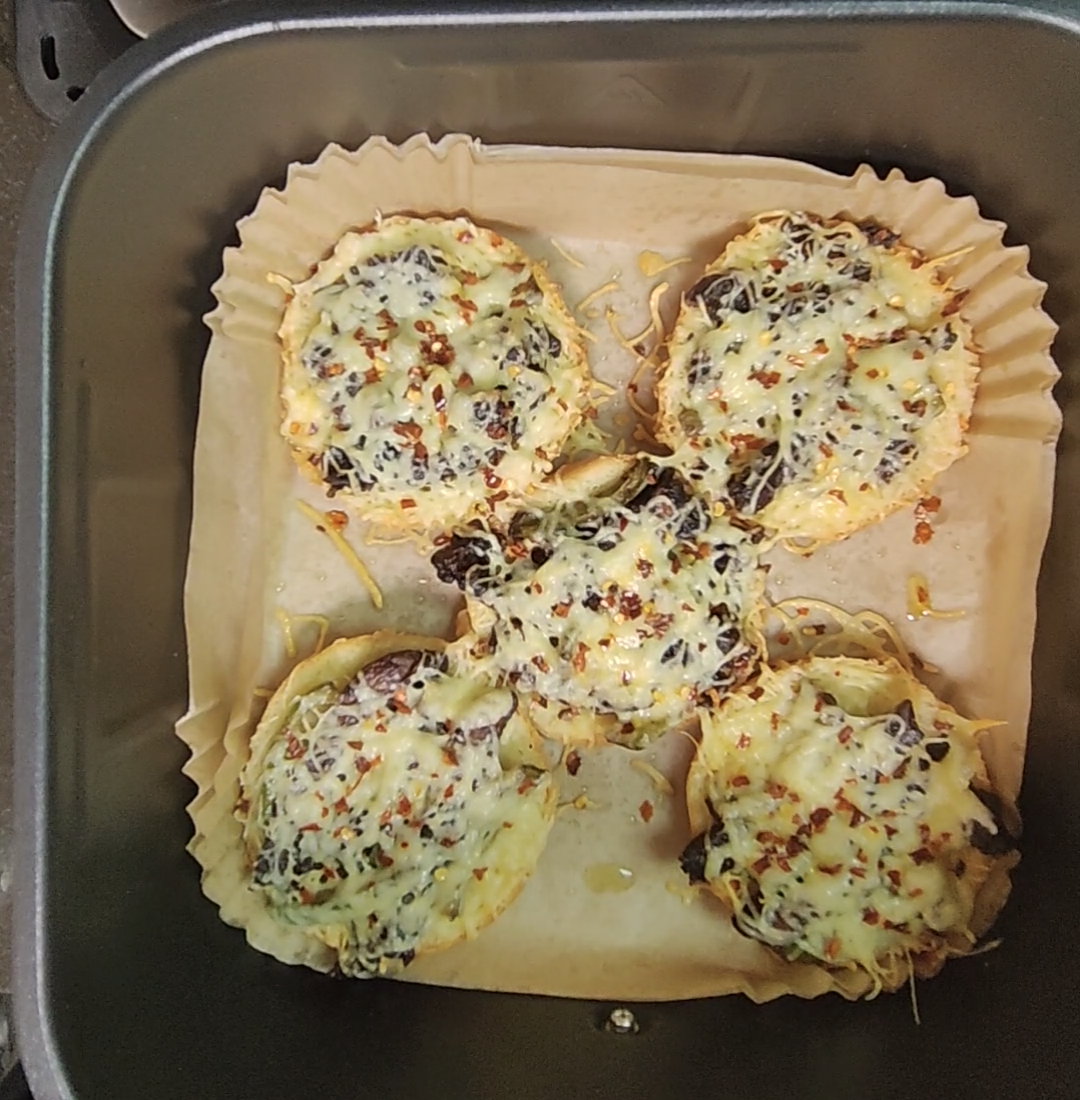
Food does not always need to sit directly on the crisper plate. I use suitable dishes and moulds in my air fryer when they make sense for the food.
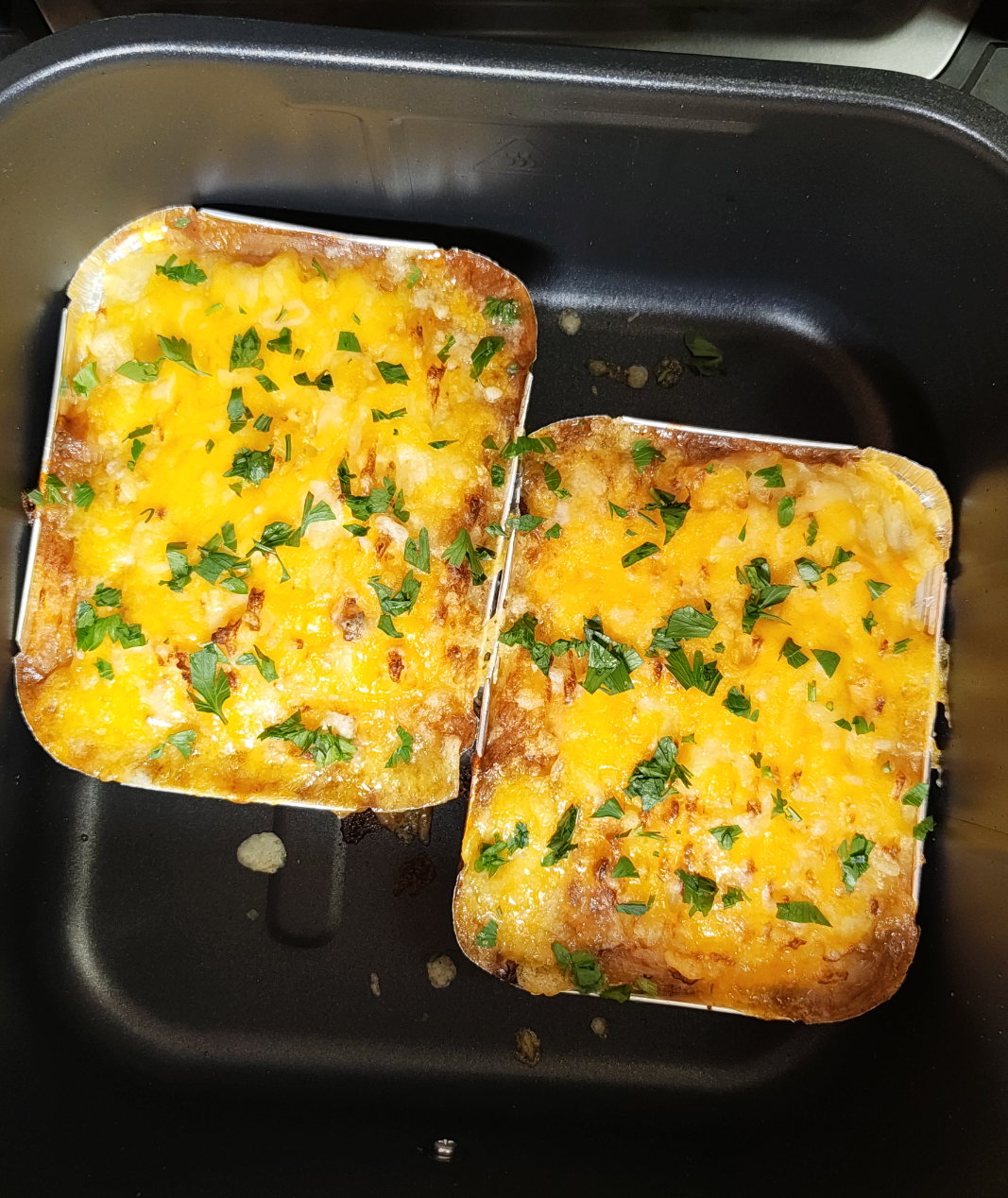
The eggs shown here cooked well in a mould, and I have also cooked Air Fryer Spicy Beef Rice in a dish covered with foil.
Suitable oven-safe containers can be appropriate for certain foods, but the container must fit safely and be suitable for the cooking conditions. Follow the instructions for your particular appliance and cookware.
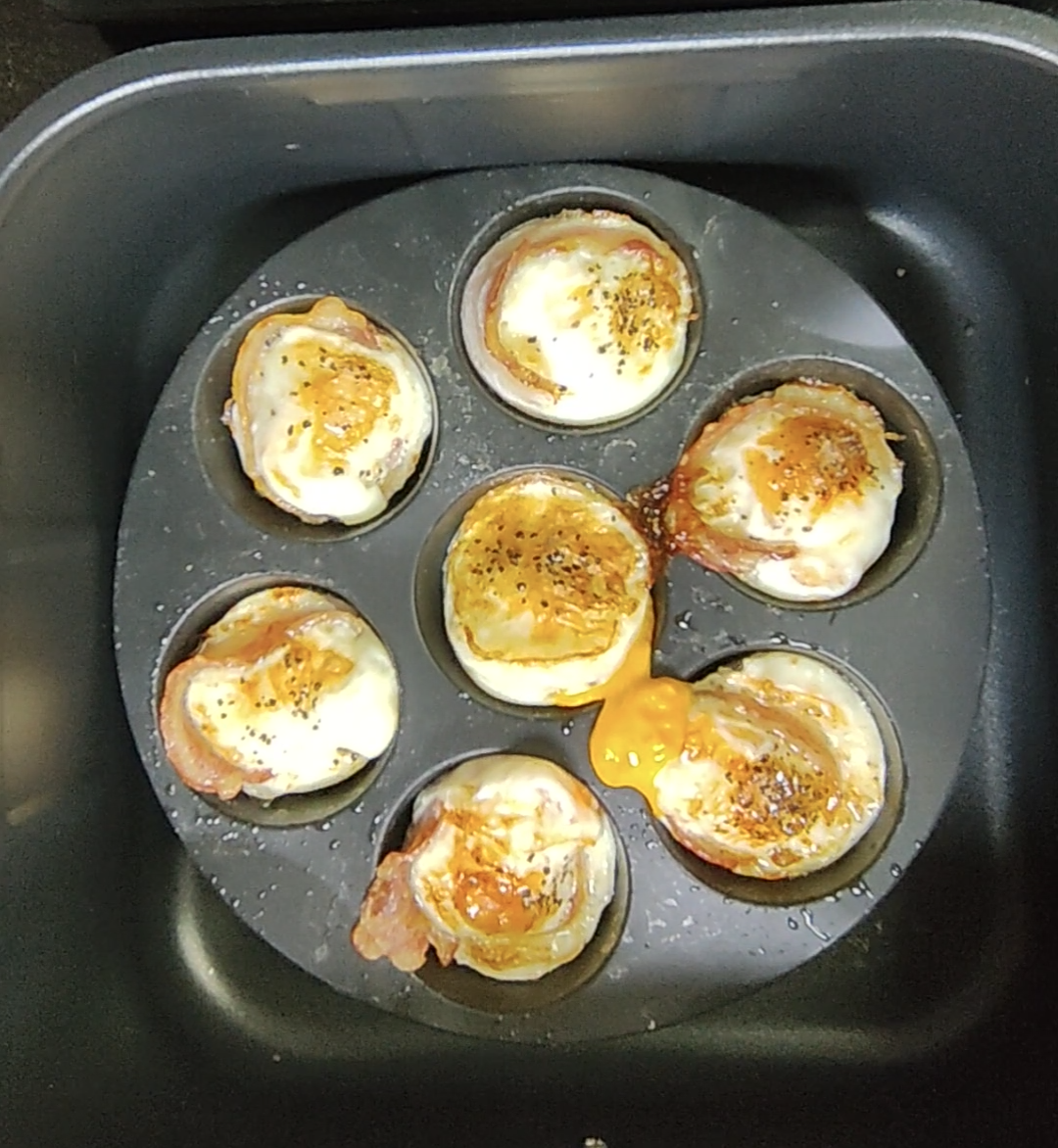
Small oven-safe dishes can also be useful in the air fryer, depending on what you're cooking and the guidance for your appliance.
4. Forgetting How Much Grease Some Foods Release
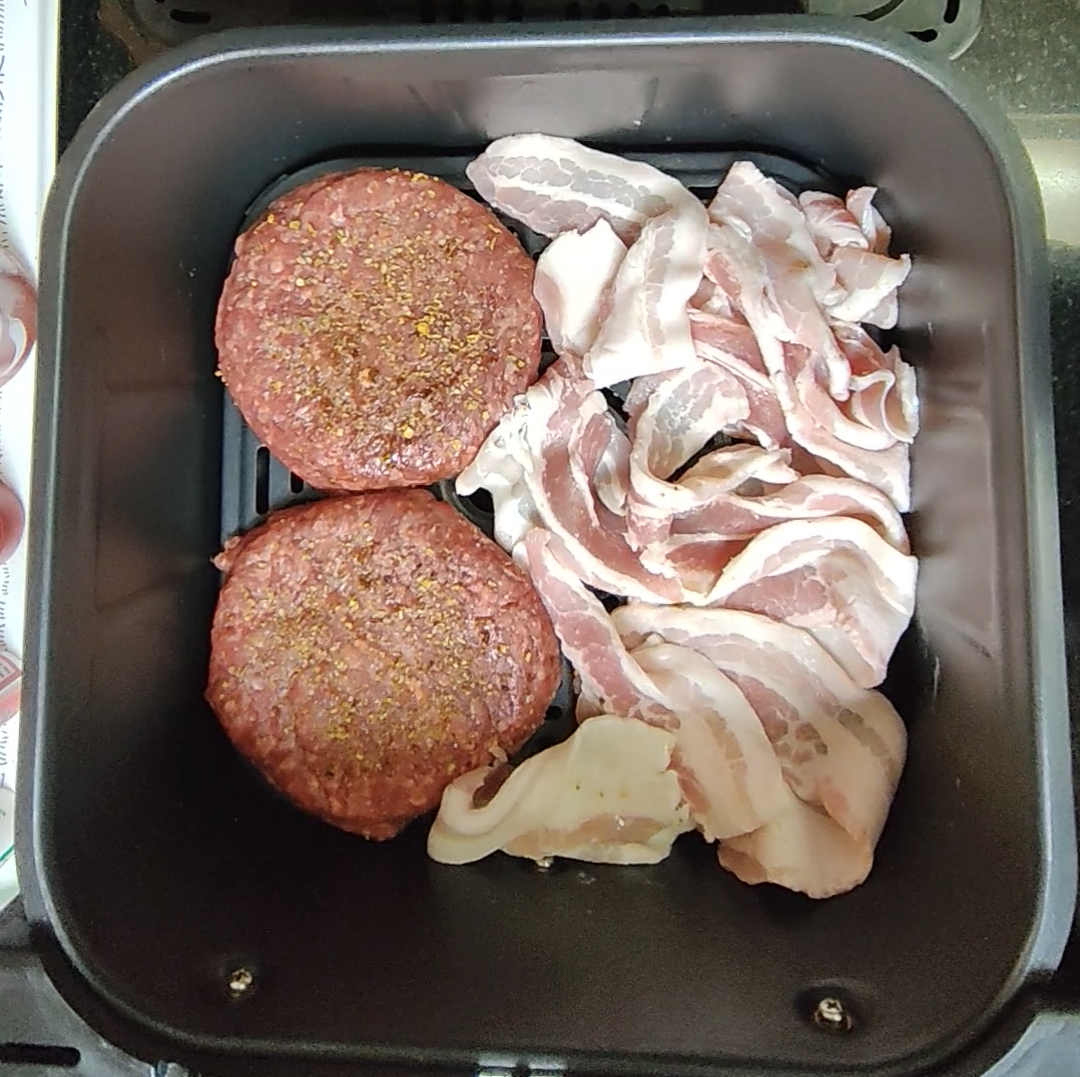
Some foods release much more fat than others. When I cook foods such as burger patties and bacon, I expect more grease, splatter and cleanup.
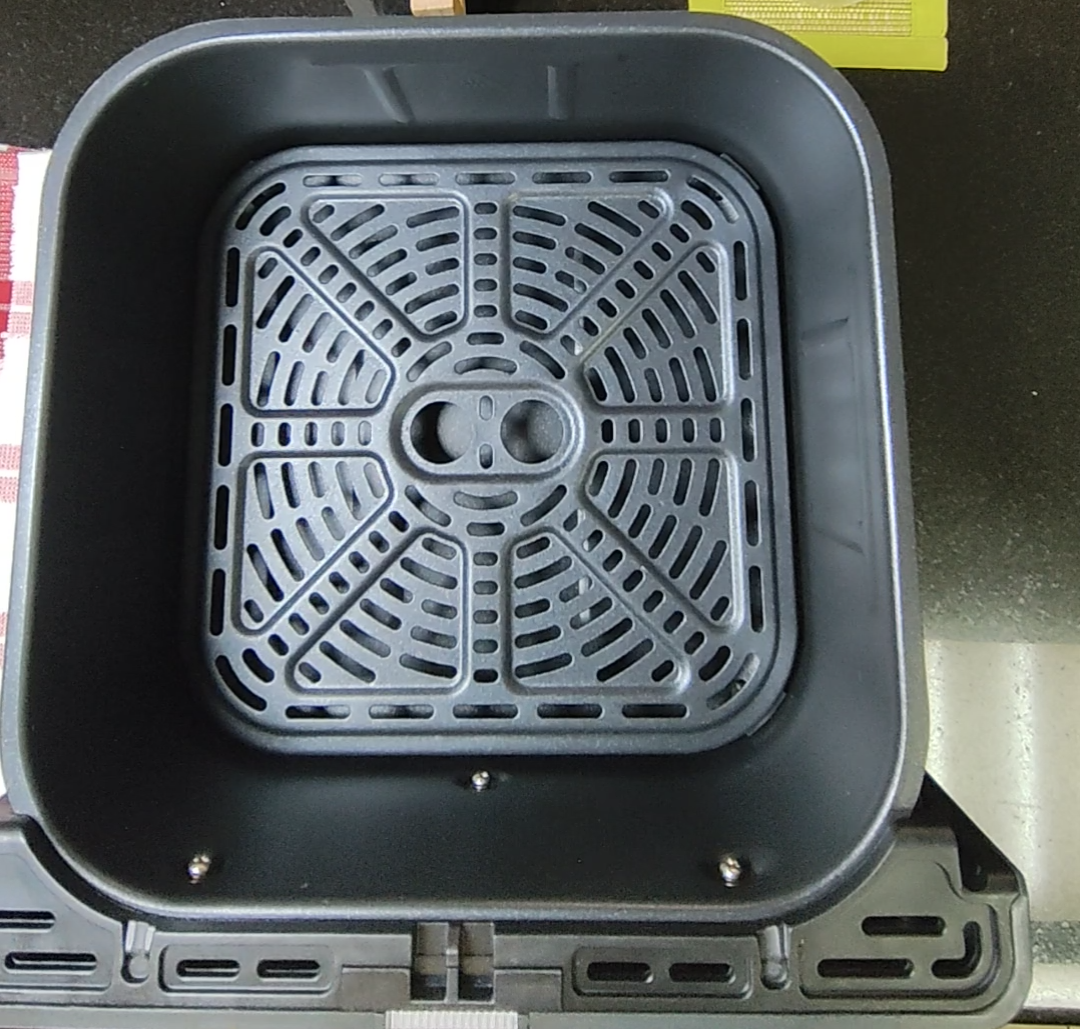
I check underneath the crisper plate after fatty foods and clean away grease and food residue once the appliance has cooled, following its care instructions. I do not allow accumulated residue to build up over repeated cooks.
For more detail, read How to Clean an Air Fryer (And Yes, You Really Should) and Do You Need to Clean Your Air Fryer After Every Use?.
5. Treating Preheating as a Rule for Every Recipe
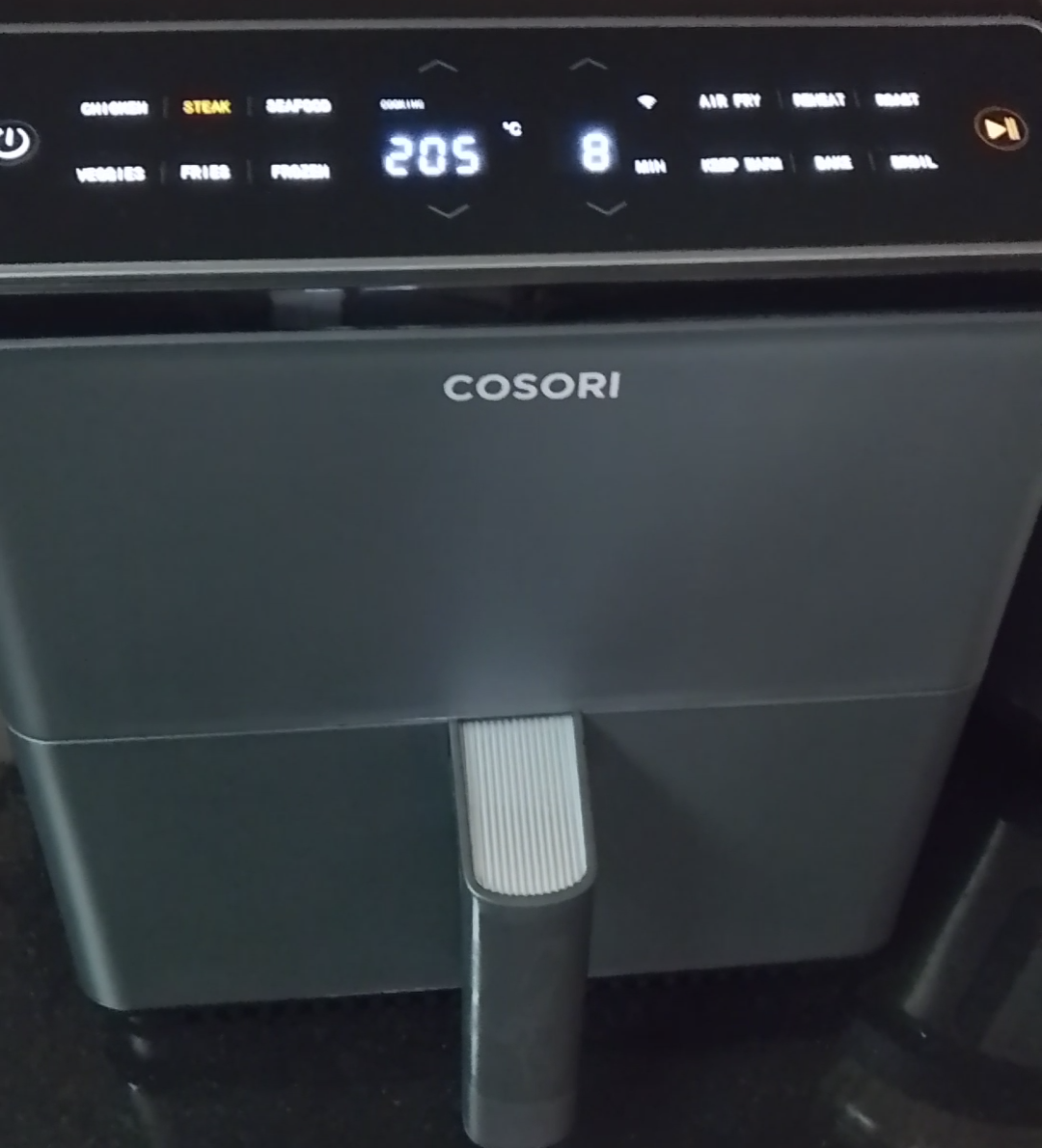
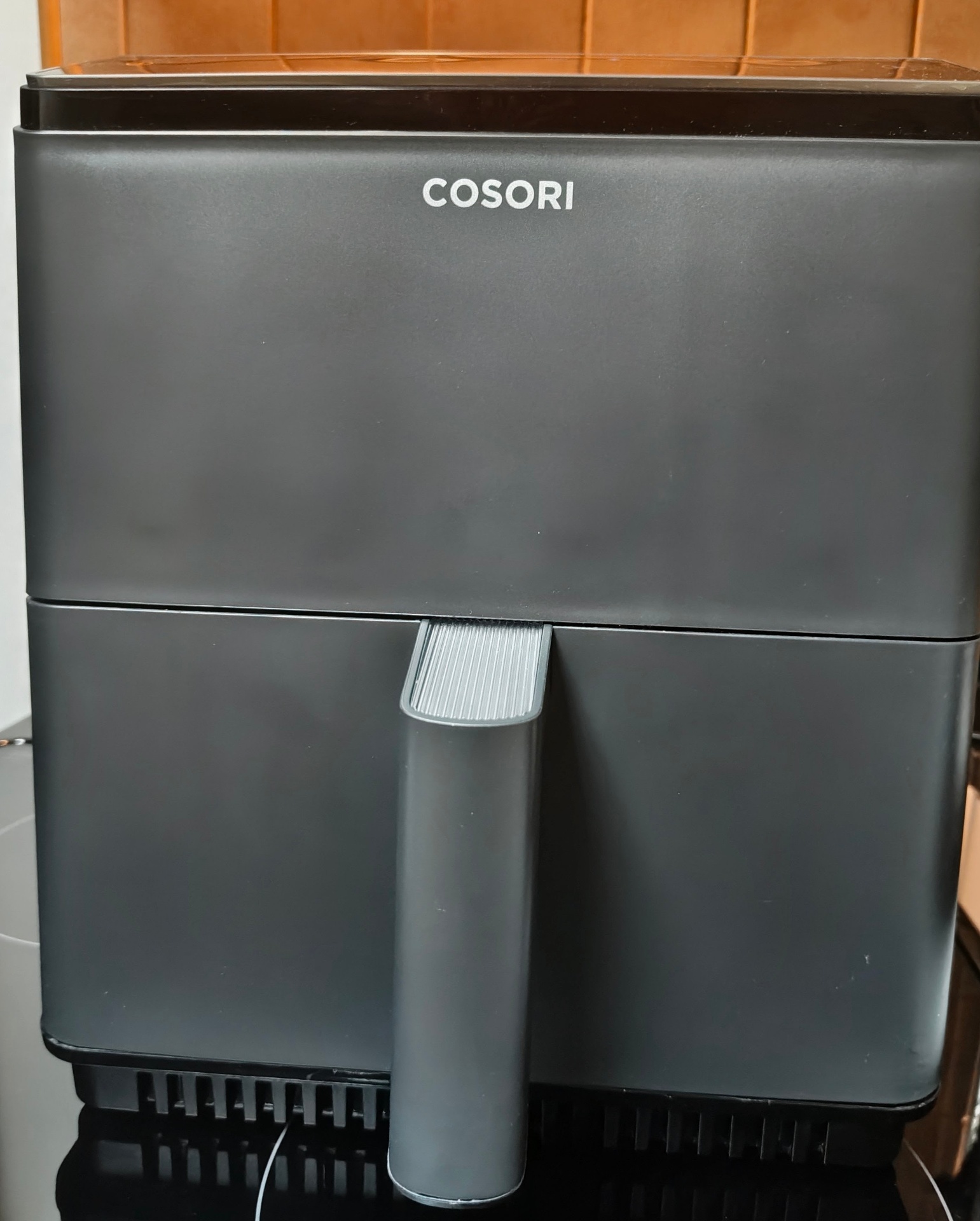
I do not routinely preheat my COSORI Dual Blaze, although that does not mean preheating is unnecessary for everyone.
Some foods, recipes and air fryer models may benefit from preheating. The mistake is assuming every air fryer recipe automatically requires it, regardless of the food or appliance.
Follow recipe guidance where appropriate and learn how your particular machine cooks. Some COSORI recipes for the Dual Blaze include preheating. Read Do You Need to Preheat an Air Fryer? for the fuller explanation.
6. Using the Same Temperature and Time for Everything
There is no single air fryer setting that works for everything. Food type, thickness, quantity, starting temperature, moisture, the result you want and the air fryer itself can all affect the time and temperature needed.
For foods where safe doneness matters, follow food-safety guidance and check with a suitable food thermometer rather than relying on appearance alone.
7. Blocking Airflow Without Thinking About What You're Cooking
Airflow matters, particularly when browning or crisping is the goal, but that does not translate into a rule that food must never be covered in an air fryer.
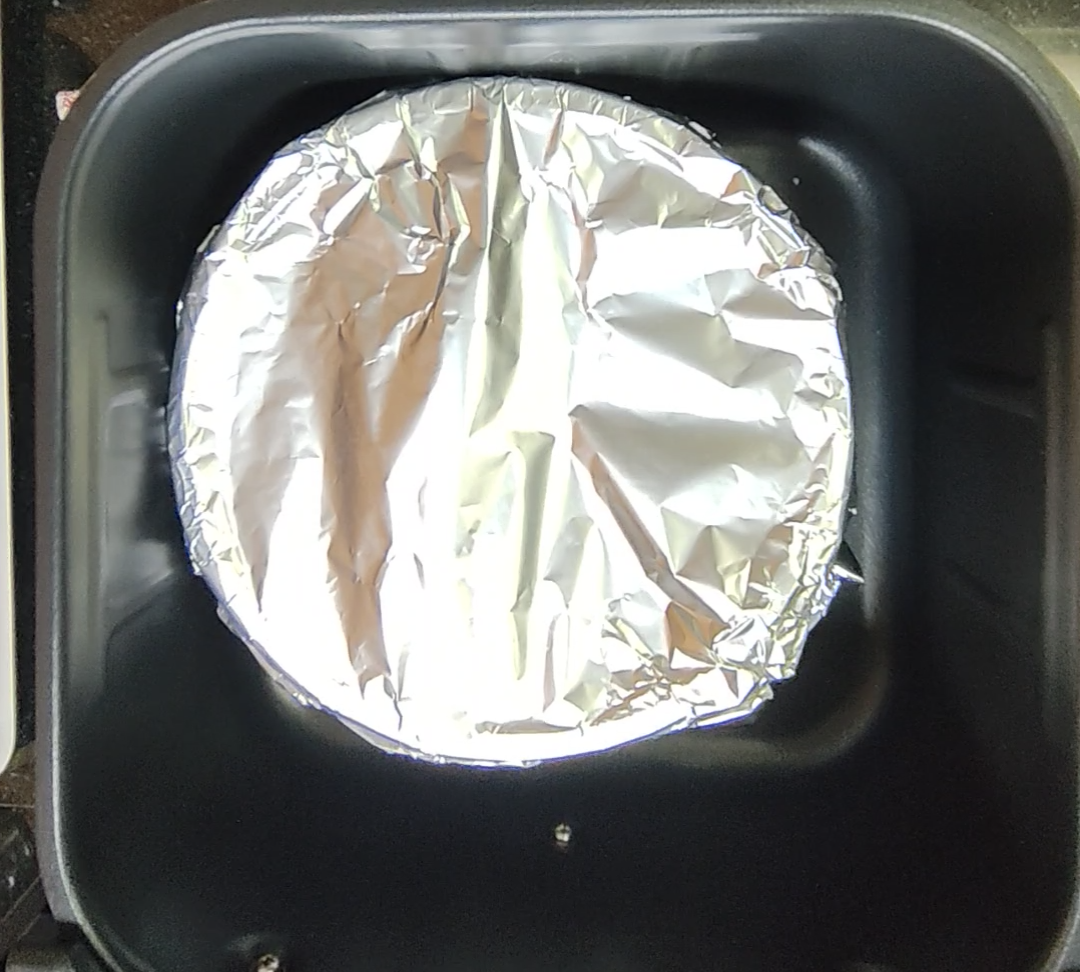
For my Air Fryer Spicy Beef Rice, I deliberately cooked the rice in a dish covered with foil. Sometimes a dish, mould, liner or covering has a legitimate purpose. The important thing is understanding why it is being used and whether it is appropriate for the recipe and appliance.
Whether foil is suitable depends on the air fryer and how it is used. It must not contact heating elements or block areas the manufacturer says must remain clear, so always follow the instructions for your appliance.
8. Following Internet Air Fryer Rules Instead of Your Own Appliance
Air fryers are not identical. Basket design, heating configuration, capacity, power and manufacturer instructions all vary.
I cook with a COSORI Dual Blaze, so I always consider how advice may need to change for a different machine.
Recipes can provide useful guidance, but appliance-specific safety and usage instructions should take priority where relevant. What Not to Cook in an Air Fryer (And What to Do Instead) also explains why the method often matters more than a dramatic list of forbidden foods.
What I've Learned From Using My Air Fryer
The more I use my air fryer, the less interested I am in universal rules. I have cooked chicken, salmon, rice, eggs, pastries, sandwiches and plenty of other things.
Sometimes I use a liner, sometimes food goes directly onto the crisper plate, and sometimes I use a dish. I do not routinely preheat.
The important part is understanding what you are cooking, what result you want and how your particular air fryer works. A full basket is not automatically overcrowded, foil is not automatically wrong, a liner is not automatically necessary, and something that works brilliantly for one recipe may make absolutely no sense for another.