Ingredient Guides
Tomatoes: Types, Flavour, Nutrition & How to Cook With Them
I use tomatoes all the time, and they rarely do the same job twice. Sometimes I want them fresh and juicy in a salad, sometimes sliced onto toast, sometimes softened in a pan, and sometimes cooked right down until they become part of the sauce.
This guide covers the common types of tomato, choosing and preparing them, using them raw, what happens when they cook, nutrition and storage, so you can get the most out of whatever tomatoes you have.
By Esther LackiePublished
What Is a Tomato?
Botanically, a tomato is a fruit, but in the kitchen most of us treat it like a vegetable. It goes into salads, salsas, sandwiches, eggs and sauces rather than desserts, and that's how I think about it when I'm cooking.
Common Types of Tomatoes
There are a huge number of tomato varieties in all sorts of shapes, colours and sizes. The groups below aren't a strict classification, just useful broad categories for cooking.
- Slicing tomatoes: generally larger, and useful when you want substantial slices for sandwiches and salads.
- Plum or paste tomatoes: usually more elongated and fleshier, and commonly used for sauces and other cooked dishes.
- Cherry tomatoes: small tomatoes that can be used whole or halved, and work well both raw and cooked.
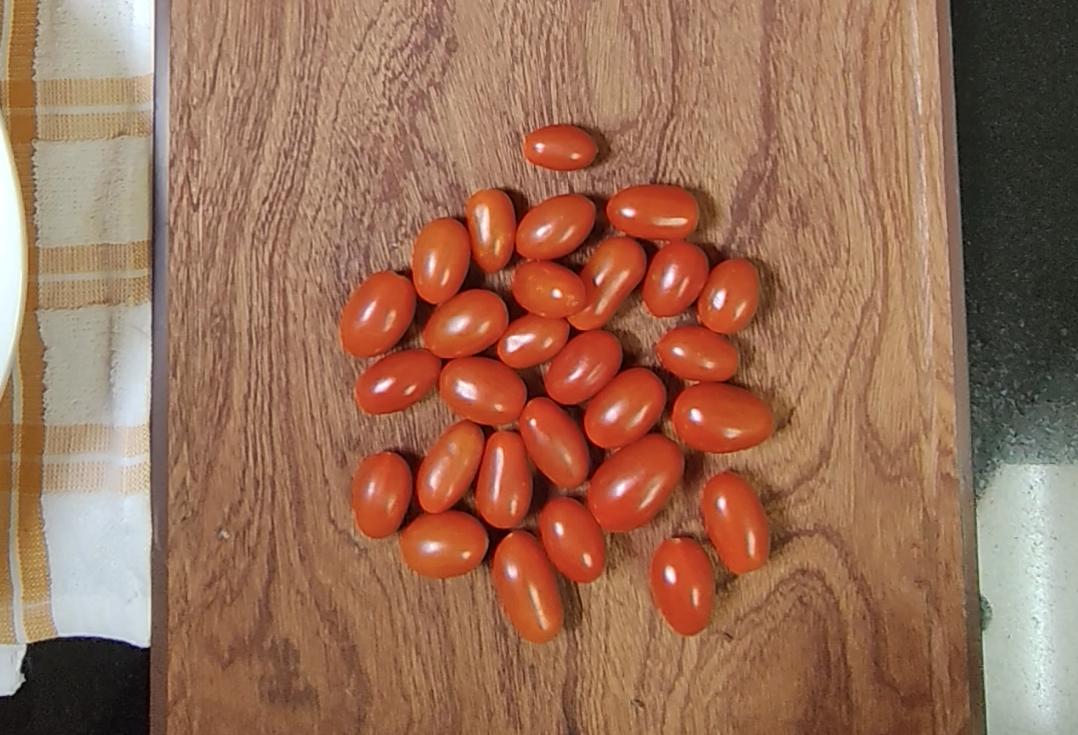
- Grape tomatoes: small and usually more elongated. They can be used raw or cooked too.
Even within one group, tomatoes won't all taste or behave the same. Variety, ripeness and the individual tomato all make a difference.
Does Tomato Type Matter?
It can help to match the tomato to the dish, but these are tendencies rather than rules. A large slicing tomato gives you proper slices for a sandwich or salad. Smaller tomatoes are handy when you want to leave them whole or just halve them. Fleshier plum or paste tomatoes are often a good choice when you're cooking a sauce.
That said, use what you have. Plenty of good dishes start with whichever tomatoes were in the kitchen.
Choosing Tomatoes
Choose tomatoes that suit what you're making, and avoid any with obvious spoilage or significant damage.
If you want tomatoes that are ready to eat, colour and feel can help you judge ripeness, but this varies by variety. Ripe tomatoes aren't always red, so red doesn't automatically mean ripe, and some varieties are fully ripe in yellow, orange or other colours.
Preparing Tomatoes
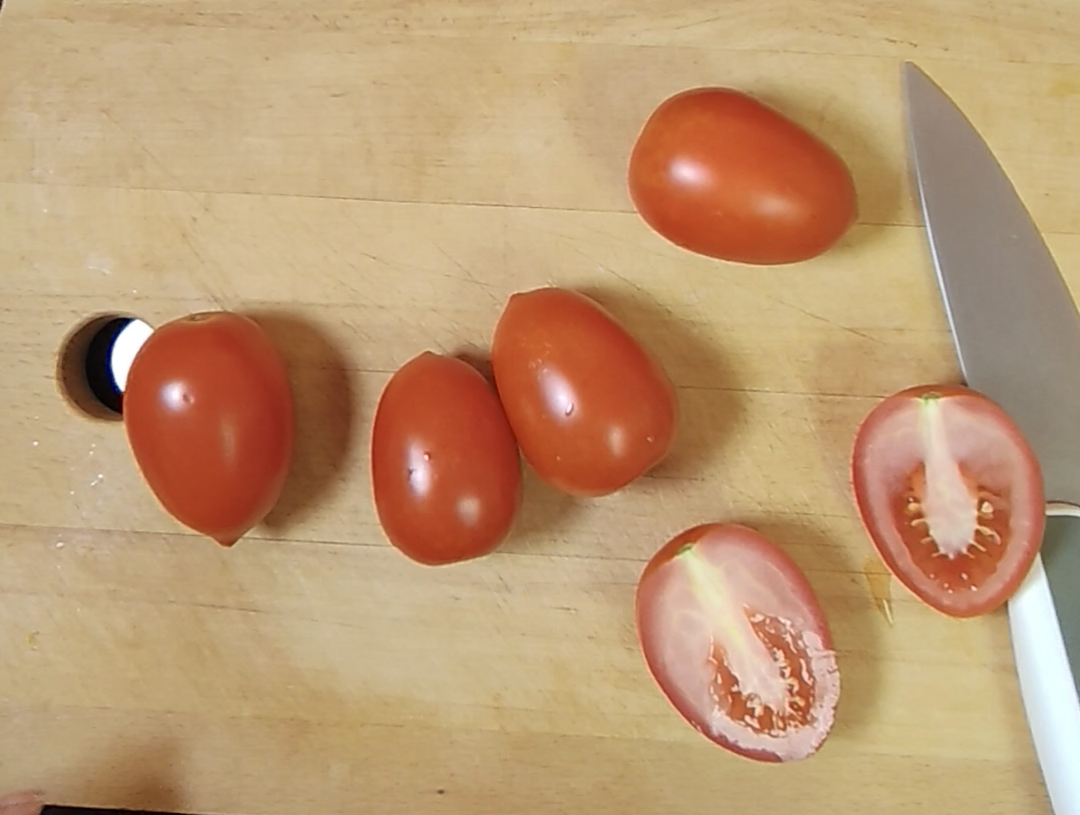
Wash tomatoes before you prepare them. Then, depending on the dish, you can leave them whole, halve them, quarter them, slice them or chop them.
The cut changes how the tomato behaves in the finished dish. Larger slices keep more of their structure. Halving small tomatoes opens up the juicy middle while they still hold their shape. Chopped tomatoes spread more easily through salads, salsas and cooked dishes.
Source: University of Illinois Extension, Preparing Tomatoes
Using Tomatoes Raw
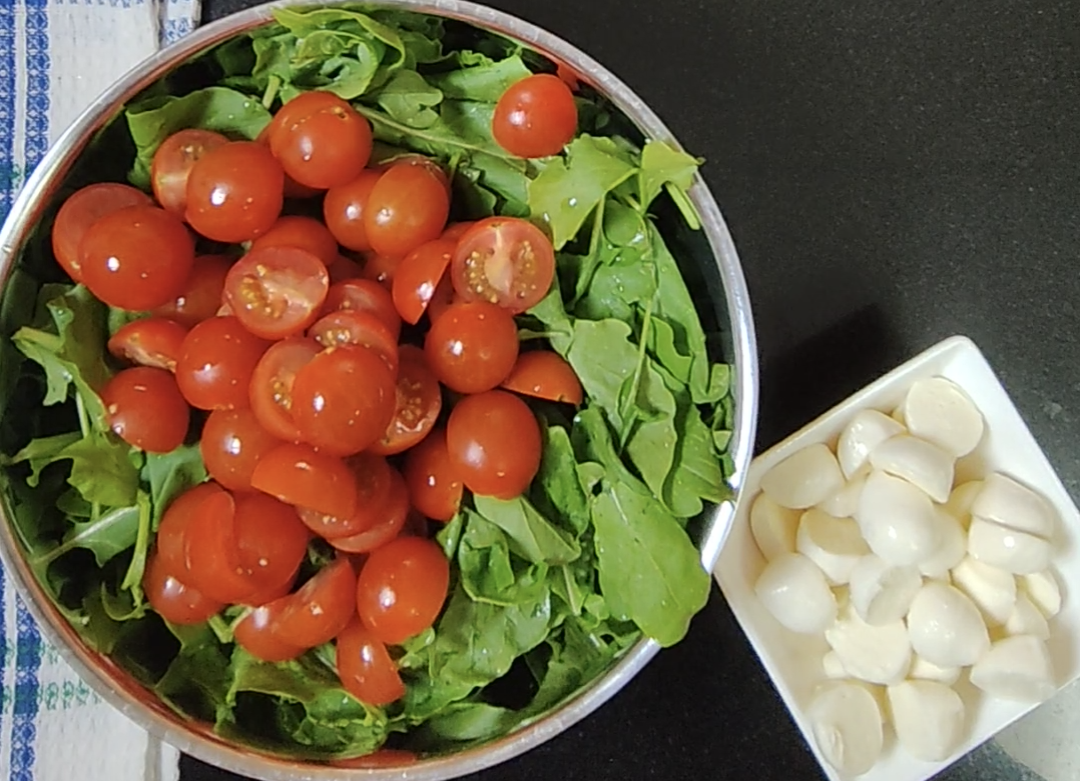
Raw tomatoes bring fresh texture, juiciness, a little acidity and plenty of tomato flavour. I use them raw a lot, especially in salads and fresh salsas.
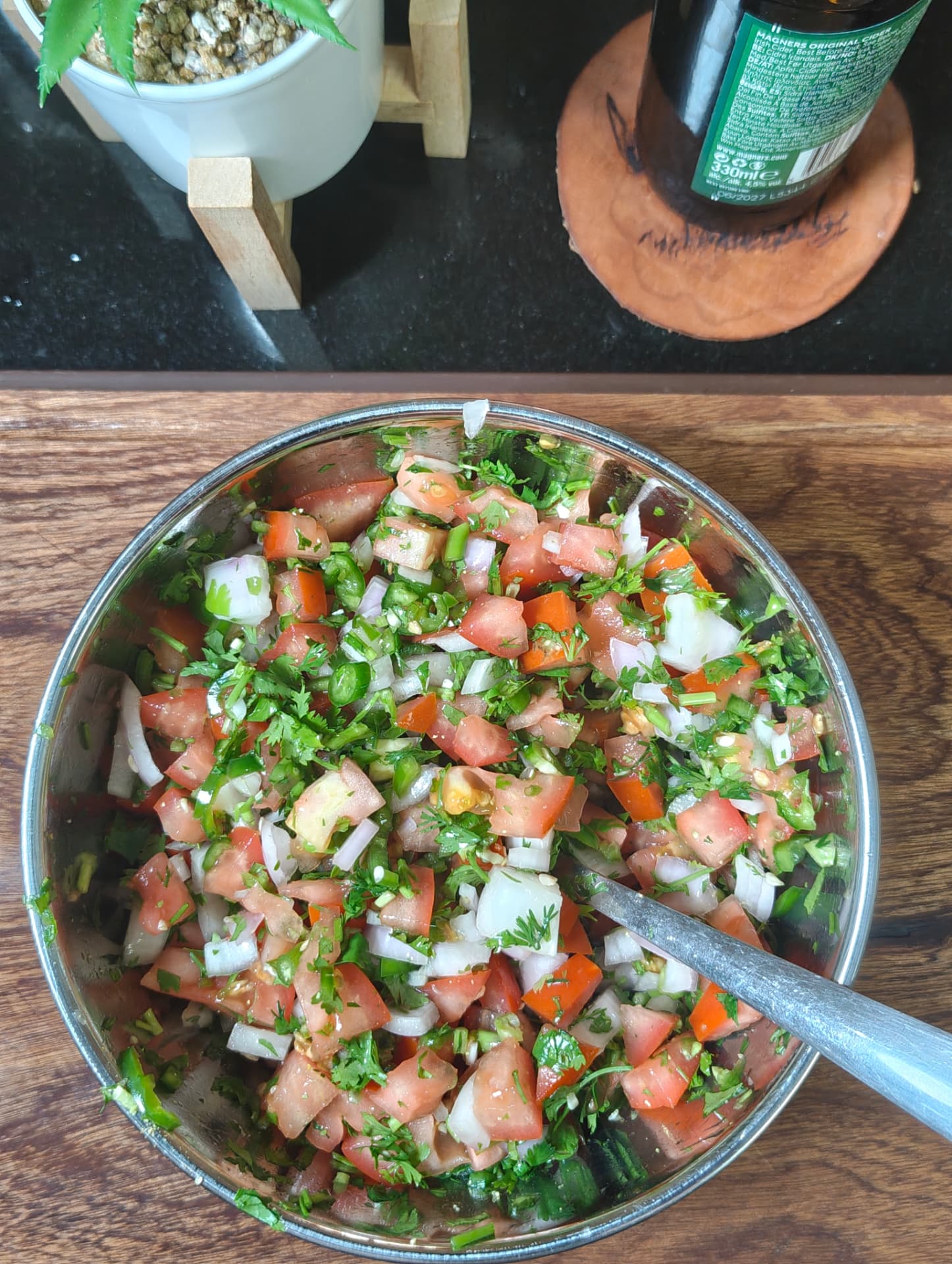
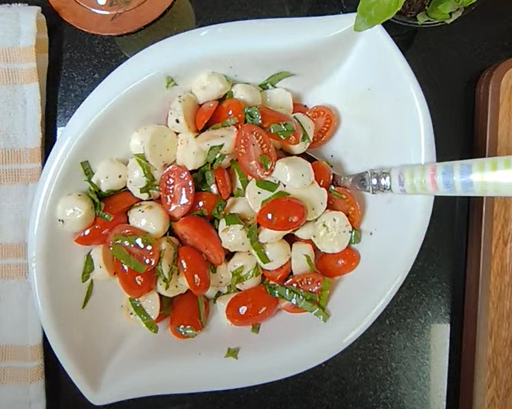
Chopped tomato is at the heart of my Easy Kenyan Kachumbari (Fresh Tomato & Onion Salsa), and I pair cherry tomatoes with mozzarella in my Caprese Style Salad. Halved cherry tomatoes also go into my Easy Greek Style Salad with Feta and my Easy Black Eyed Peas Salad.
What Happens When Tomatoes Cook?
Heat changes tomatoes. As they cook, they soften, their structure starts to break down and they release their juices. Keep cooking and they can become part of a saucier mixture rather than separate pieces.
There's no single timeline for this. The type of tomato, its size, how it's cut, how many you're cooking and the method you use all affect how quickly it happens, so it's best to watch them rather than rely on the clock.
Sautéing Tomatoes
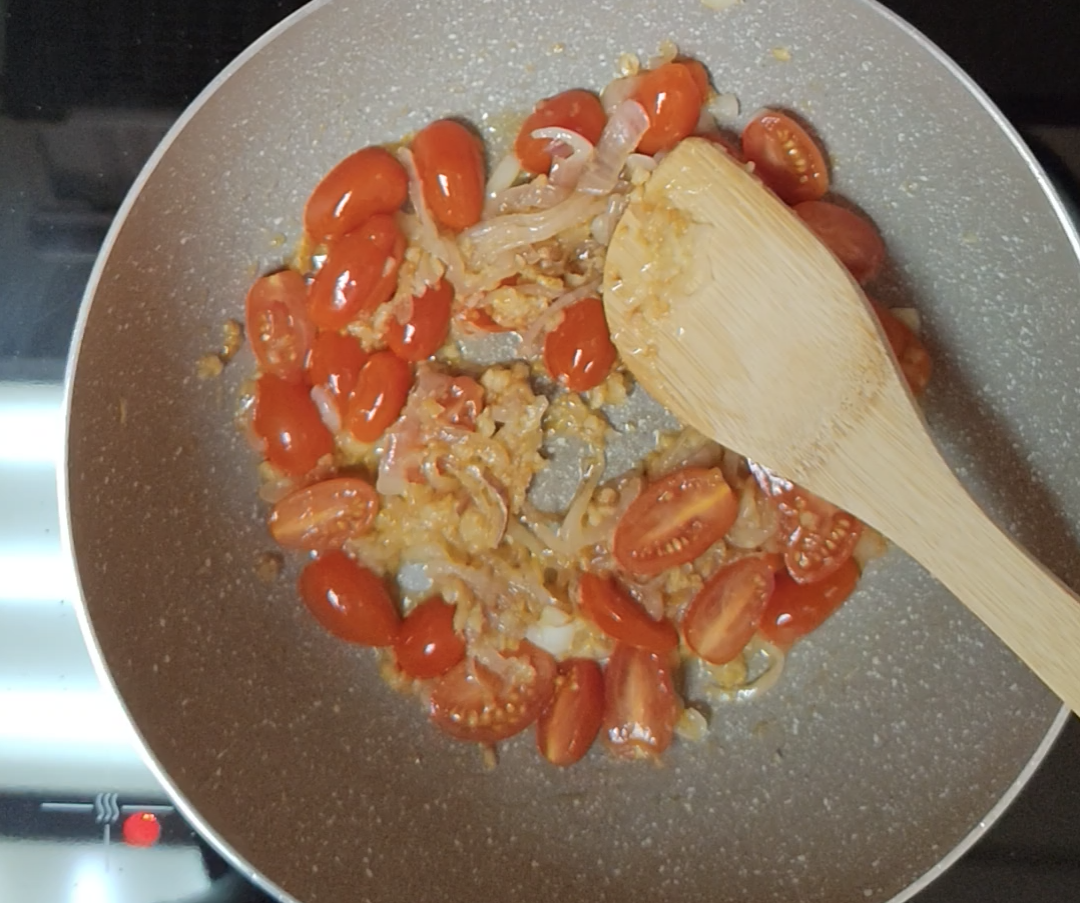
If you want tomatoes softened but still recognisably tomato-shaped, add them to the pan and cook them relatively briefly. Small tomatoes can go in whole or halved, depending on the dish.
Keep an eye on them. Once they've softened as much as you want, they're ready, however long that takes in your pan.
Cooking Tomatoes Down
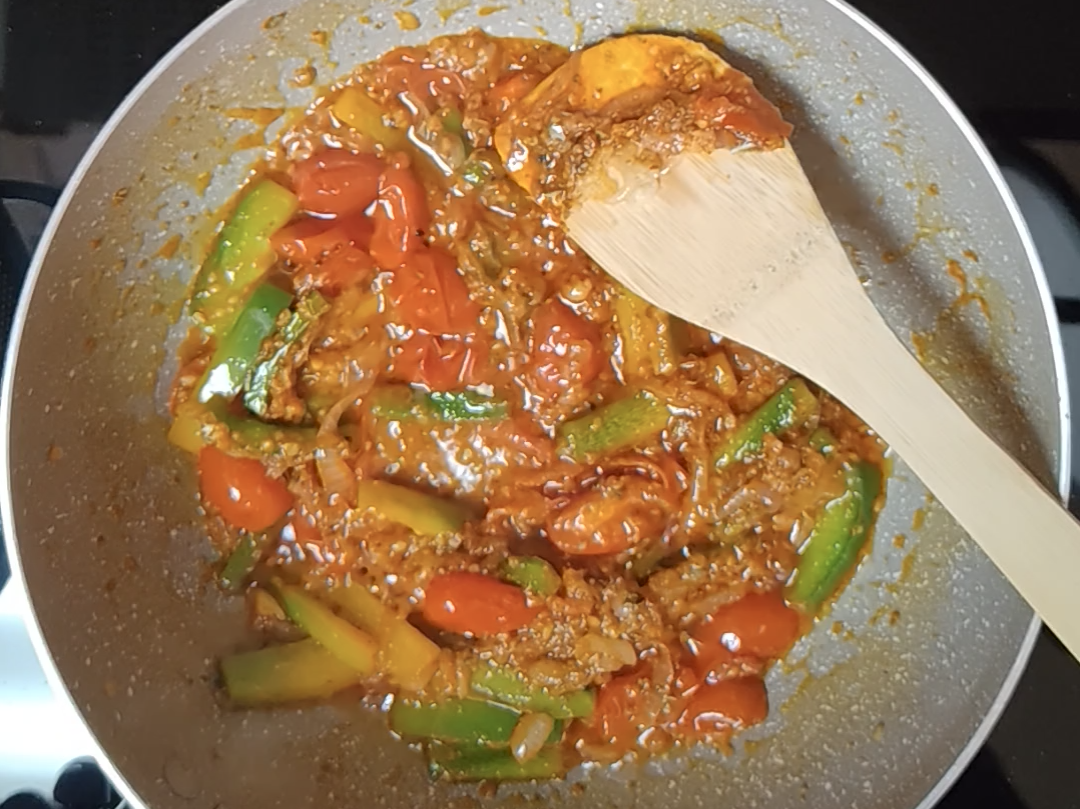
Cooking tomatoes for longer lets them soften further and release more of their juices. Instead of staying as separate pieces, they become part of the base or sauce of the dish. As the water reduces, their tomato flavour becomes more concentrated.
You can see that in the Penne with Meatballs in Garlic Tomato Sauce, where the tomato sauce is the whole point.
Roasting and Air Frying Tomatoes
Dry heat softens tomatoes while the exposed surfaces develop more concentrated flavour and colour. Small tomatoes may blister, soften or split as they cook.
In the air fryer, cooking time depends on the size of the tomatoes, whether they're whole or cut, how many you're cooking, your air fryer model and the temperature, so check on them as they cook.
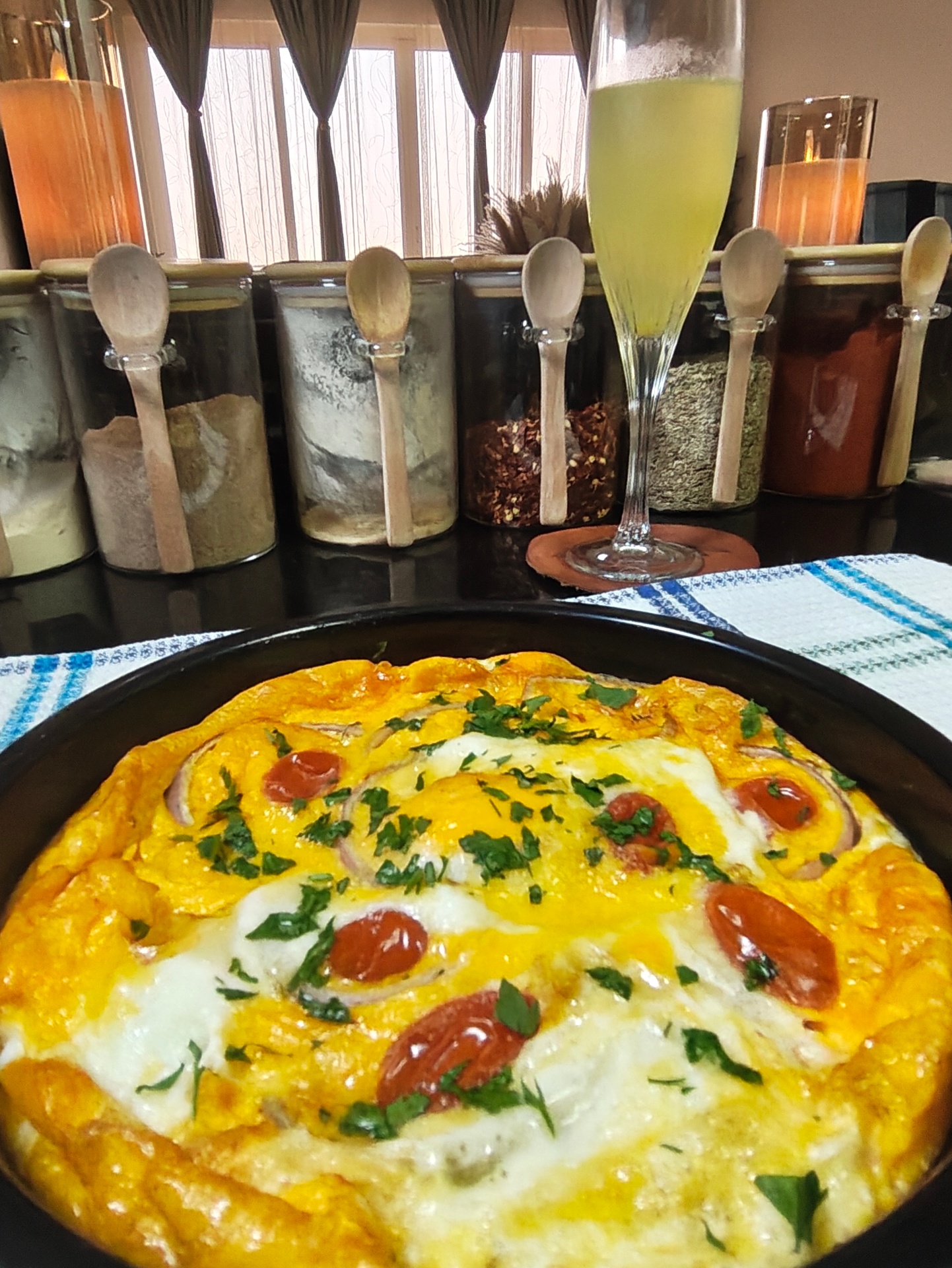
Tomatoes turn up in a few of my air fryer recipes in different ways. Halved cherry tomatoes cook under the eggs in my Air Fryer Tomato & Onion Omelette, sliced tomato sits under the mozzarella in my Air Fryer Mozzarella, Tomato & Pesto Toast, and cherry tomatoes top my Air Fryer Pesto, Tomato & Mozzarella Puff Pastries.
Fresh vs Cooked Tomatoes
- Fresh: the firmest texture, fresh juiciness and a brighter raw tomato character.
- Briefly cooked: softer, while the pieces can still stay recognisable.
- Cooked further: more broken down, with the released juices becoming part of the dish.
- Roasted or air fried: can soften and develop a more concentrated cooked flavour, with smaller tomatoes sometimes blistering or splitting.
None of these is better than the others. It just depends on what the dish needs.
Nutrition and What Tomatoes Provide
Tomatoes provide nutrients including vitamin C and potassium, and they contain carotenoids, including lycopene. Exact amounts vary with the variety, size and ripeness of the tomato. For detailed figures, USDA FoodData Central is a good place to look.
Source: USDA, FoodData Central
Storing Tomatoes
Tomatoes keep ripening after they're picked, so how you store them depends on how ripe they are.
Tomatoes that still need to ripen are generally best kept at room temperature while they finish ripening. Once they're ripe, use them reasonably promptly for the best quality.
Long periods of very cold storage can affect tomato texture and flavour. If you do need to refrigerate ripe tomatoes to make them last a little longer, the quality may change, and you can let them come back towards room temperature before eating if you prefer.
Cut tomatoes should go in a covered container in the fridge.
Source: University of Minnesota Extension, Harvesting and Storing Home Garden Vegetables; University of Minnesota Extension, Growing Tomatoes in Home Gardens
Can You Freeze Tomatoes?
Yes, tomatoes can be frozen, but freezing changes their texture. Once thawed, they're softer and better suited to cooked dishes such as sauces, soups and stews than to anything where you want a firm, fresh tomato.
Source: University of Illinois Extension, Preparing Tomatoes
How I Use Tomatoes
How I use tomatoes really depends on the dish. I chop them into kachumbari, toss them through salads and pair them with mozzarella. I slice them onto toast, cook them in breakfast dishes like my omelette, and let them cook down into saucier dishes like my penne with meatballs.
Lackie's Notes
Tomatoes are one of those ingredients I use differently depending on what I'm making. Sometimes I want them fresh and juicy, sometimes I want them to keep their shape, and other times I want them to cook down into the dish. Once you know how they change with heat, it's easy to pick the right approach.