Ingredient Guides
Bell Peppers: Colours, Flavour, Nutrition & How to Cook With Them
Bell peppers are one of those ingredients that bring colour to my cooking before I've even done much to them. I use red, yellow and green peppers regularly, sometimes raw in salads and sometimes cooked into everything from beef and chicken dishes to eggs and skewers.
But the colours aren't just there to make dinner look pretty. Bell peppers can differ in flavour depending on their variety and stage of ripeness, and the way you cook them changes their texture and sweetness too.
This guide looks at the different colours, how I use them, what they provide nutritionally and some simple ways to cook with them.
By Esther LackiePublished
What Are Bell Peppers?
Bell peppers are sweet peppers from the Capsicum group. Unlike hot chilli peppers, they aren't grown for their heat, so you get the flavour and crunch without the burn.
They're crisp when raw and soften as they cook, which makes them one of the most flexible vegetables in the kitchen. You can eat them raw, sauté them, roast or grill them, stuff them, stir them into soups and stews, add them to egg dishes and stir fries, or thread them onto skewers.
Why Do Bell Peppers Come in Different Colours?
It's easy to assume every pepper starts green and then works its way through yellow and orange to red. It isn't quite that simple.
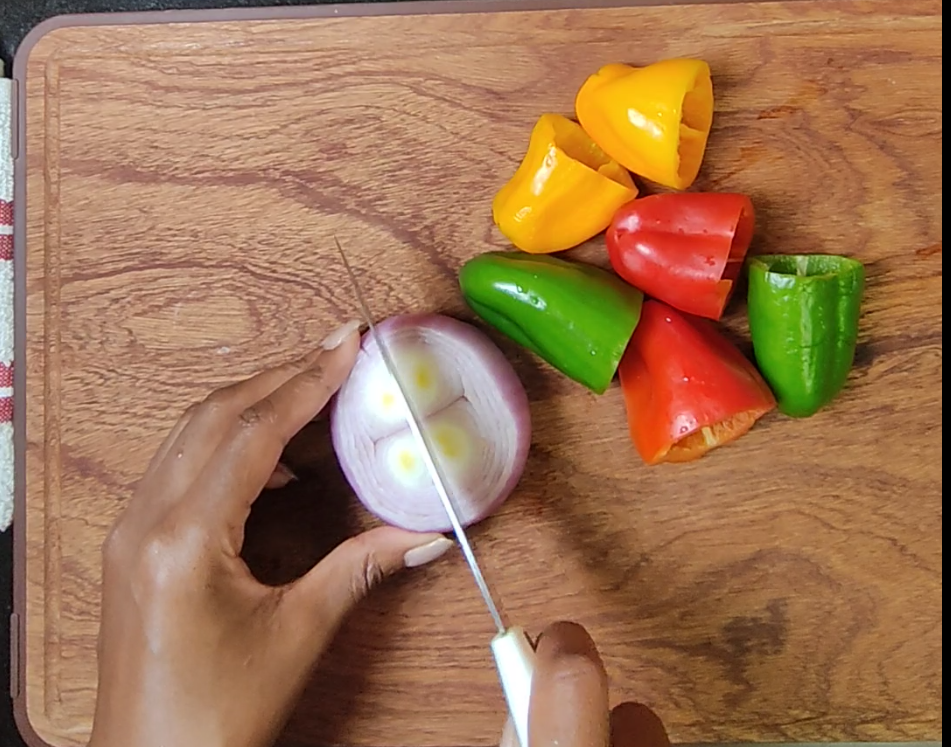
Many bell peppers are harvested while they are still green. If they are left on the plant to mature, the colour they develop depends on the variety. Depending on the variety, mature peppers can be red, yellow, orange, brown or even purple, and some pass through other colours along the way.
As sweet peppers ripen, they generally become sweeter.
Source: University of Illinois Extension, Peppers; University of Illinois Extension, The Bright Colors of Bell Peppers
Green Bell Peppers
Green bell peppers are commonly harvested before they reach their fully ripe coloured stage. That's intentional, and they are widely grown and eaten this way.
Their flavour tends to be less sweet, more vegetal and a little sharper than fully ripened coloured peppers. They stay nicely crisp when raw and work really well in cooked savoury dishes.
Red Bell Peppers
Red bell peppers are the fully coloured, mature fruit of varieties that ripen red. Not every green pepper would eventually turn red; that depends on the variety.
They generally have a sweeter flavour than green peppers and are lovely both raw and cooked.
Yellow and Orange Bell Peppers
Yellow and orange bell peppers come from varieties that develop these colours as they mature.
They generally have a mild, sweet flavour. Orange peppers don't show up in my photos here, but they behave in much the same way in the kitchen and can be used anywhere you'd use yellow or red.
Do Different Colours Taste Different?
Generally, yes, although these are tendencies rather than strict rules.
Green peppers tend to taste less sweet and more vegetal. Fully ripened coloured peppers generally become sweeter, with red peppers commonly among the sweeter ones, and yellow and orange peppers also tending towards a mild, sweet flavour.
Variety, maturity and growing conditions can all influence flavour, so two peppers of the same colour won't always taste identical.
How to Choose Bell Peppers
When I'm buying peppers, I look for ones that are:
- Firm
- Fresh looking
- Smooth skinned
- Free from obvious soft spots or major damage
They don't need to look perfect. A slightly odd shape or a small mark on the skin doesn't make a pepper any less useful in the kitchen.
How to Prepare Bell Peppers
- 01
Wash the pepper
Give it a rinse under the tap and dry it.
- 02
Cut the pepper
Cut around or through the pepper, depending on how you want to use it.
- 03
Remove the stem
Pull or cut away the stem.
- 04
Remove the seeds and membranes
Remove the seeds and the pale inner membranes as needed. The seeds aren't harmful; most people simply prefer not to eat them.
- 05
Slice, dice or cut into pieces
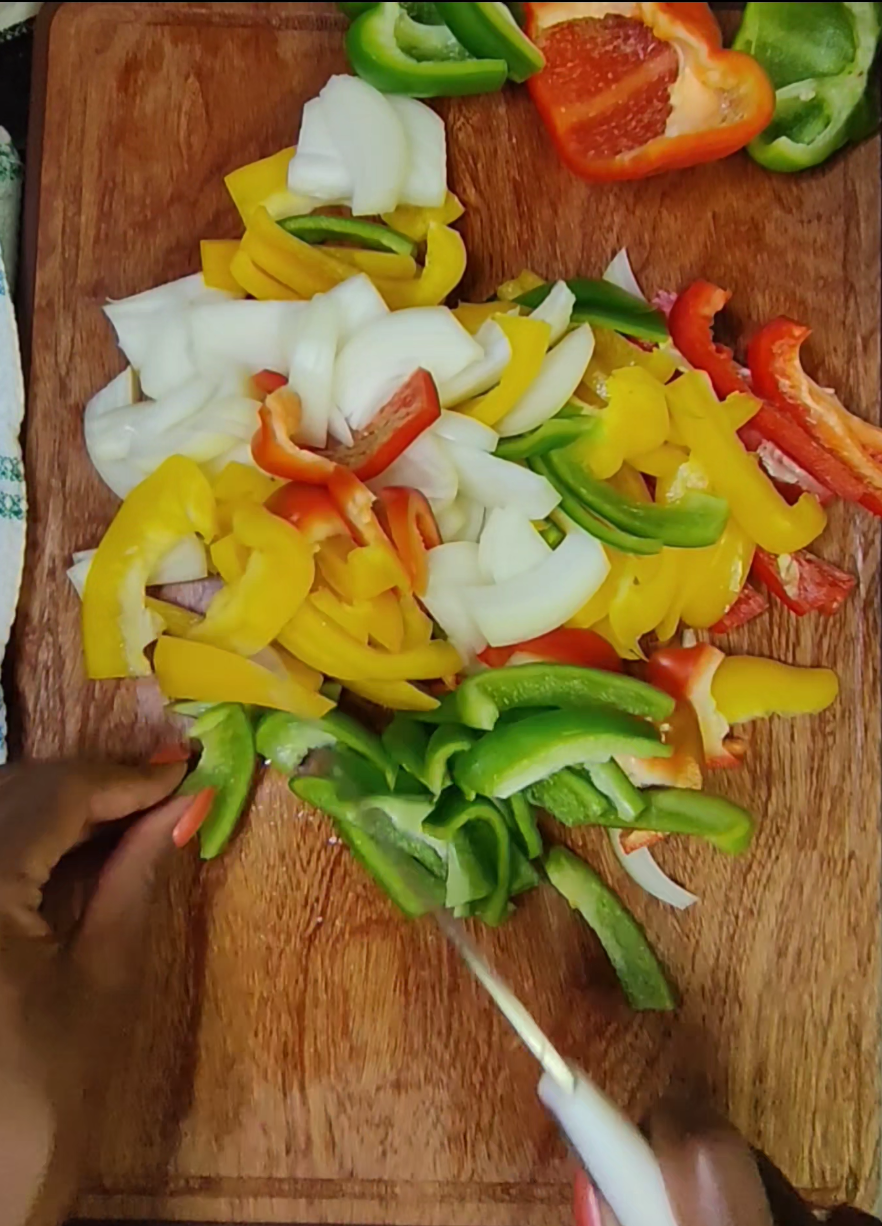
Cut into strips, chunks or dice, or keep larger sections for stuffing, depending on the dish.
Eating Bell Peppers Raw
Raw bell peppers keep their crisp texture, which is exactly why I love them in salads. They also work well on platters with dips, in sandwiches and wraps, and in fresh side dishes.
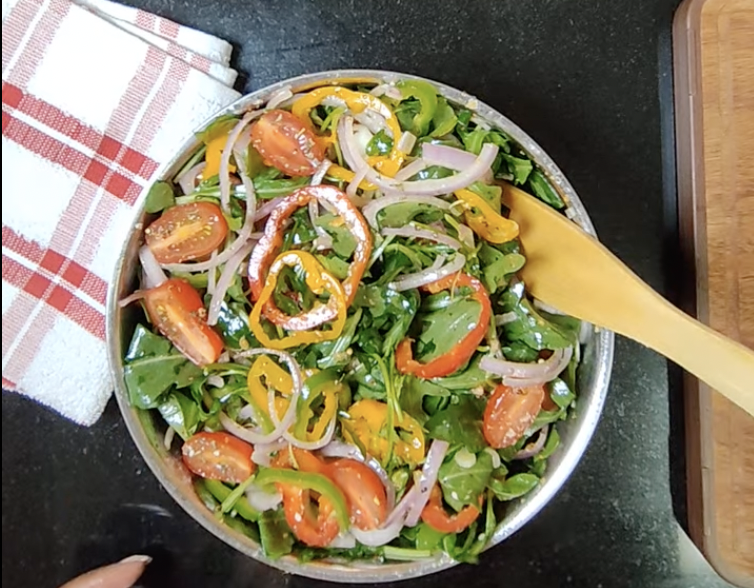
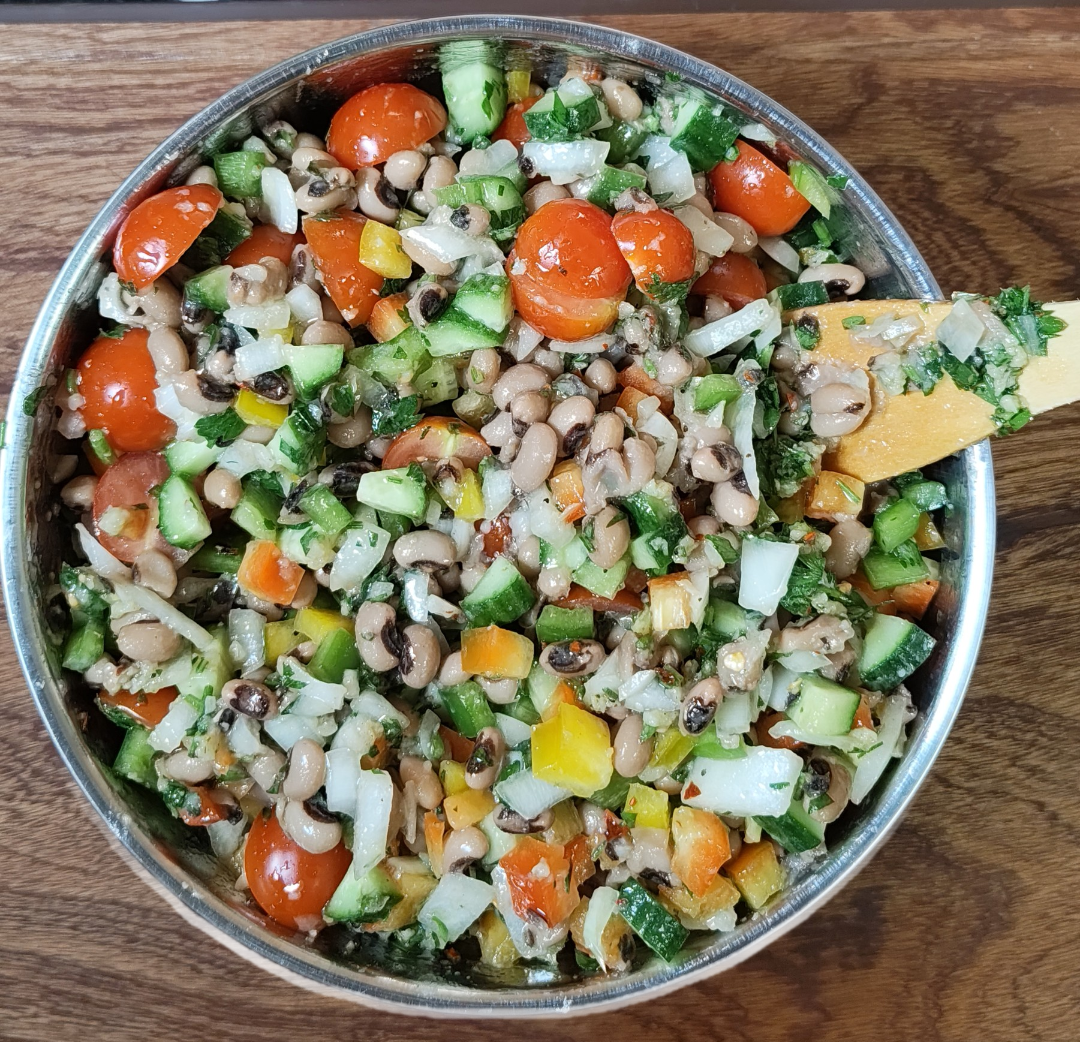
My Easy Rocket & Colourful Bell Pepper Salad puts them front and centre, the Easy Greek Style Salad with Feta uses red and yellow peppers, and my Easy Black Eyed Peas Salad has red, yellow and green peppers all in one bowl.
What Happens When You Cook Bell Peppers?
Cooking changes both the texture and the flavour.
As bell peppers cook, they soften and lose their raw crispness, and their flavour becomes softer and often sweeter. Browning or charring can add extra flavour, depending on how you cook them.
Not every cooking method gives the same result, so it's worth thinking about the texture you want before you start.
Sautéing Bell Peppers
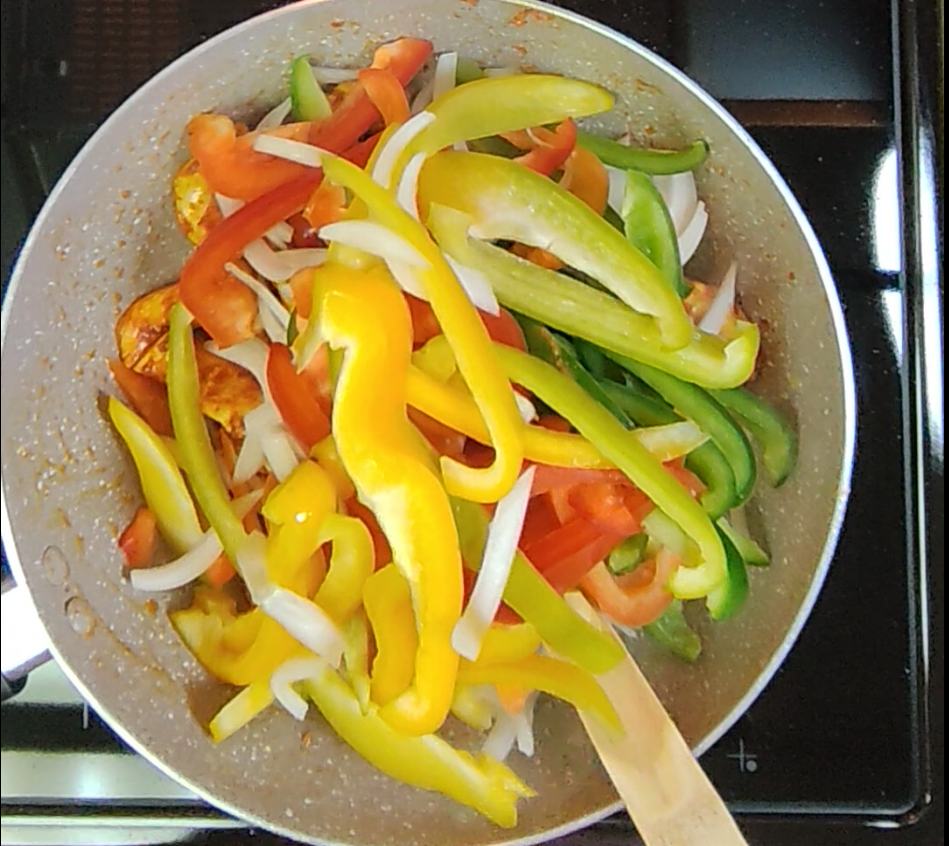
Sliced peppers can be cooked in a pan until they reach the texture your dish needs. A shorter cook keeps more bite, while a longer cook gives you softer peppers.
There isn't one exact time that works every time. How thickly you slice them, how hot the pan is and how soft you like them all make a difference.
Roasting and Air Frying Bell Peppers
Dry heat, whether in the oven or the air fryer, softens peppers and encourages browning and blistering.
Peppers also work well cooked alongside other ingredients in air fryer recipes, like my Smoked Salmon, Egg & Cheese Air Fryer Breakfast Bake.
Stuffing Bell Peppers
The hollow shape of a bell pepper makes it perfect for stuffing. Cut it in half or slice off the top, remove the seeds, and it can hold all sorts of savoury fillings.
Nutrition and What Bell Peppers Provide
Bell peppers provide vitamin C along with other micronutrients.
Nutrient levels can differ depending on the colour and stage of maturity, so riper coloured peppers may differ nutritionally from green ones.
If you'd like detailed figures for a specific type of sweet pepper, USDA FoodData Central lists nutrient data for raw red, yellow and green sweet peppers.
Source: USDA, FoodData Central; University of Illinois Extension, The Bright Colors of Bell Peppers
Storing Bell Peppers
I keep whole bell peppers in the fridge and try to keep them dry until I'm ready to use them.
Once cut, I store them in the fridge in a covered or sealed container.
How long they stay fresh depends on how fresh they were when you bought them and how they're stored, so check them before using.
How I Use Bell Peppers
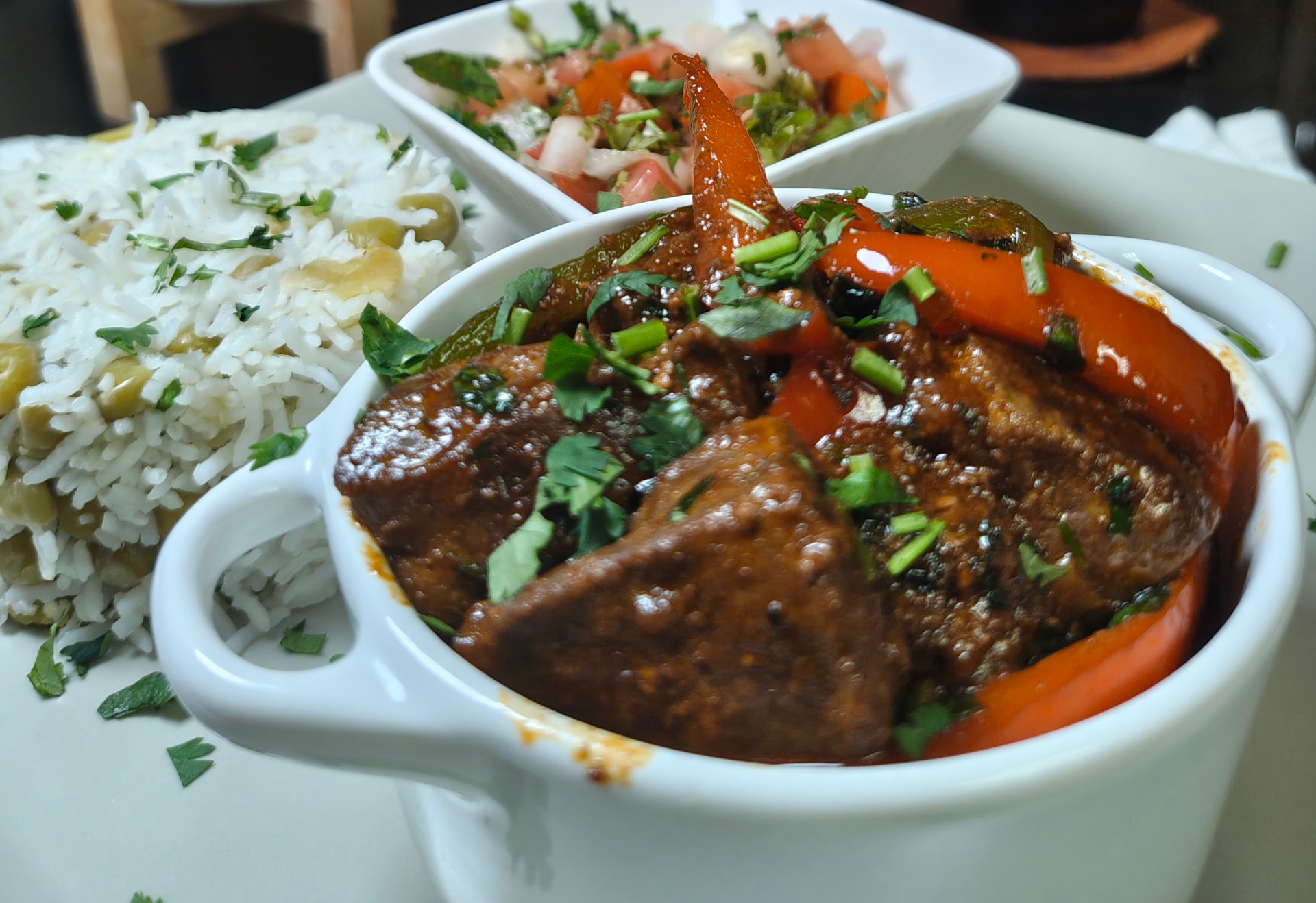
Peppers turn up all over my kitchen. I use them raw in salads, cook them with beef in my Traditional Beef Liver Stew with Peppers, stir them into eggs, and sauté them with onion, garlic and kidney beans in my Easy Kidney Beans & Rice.
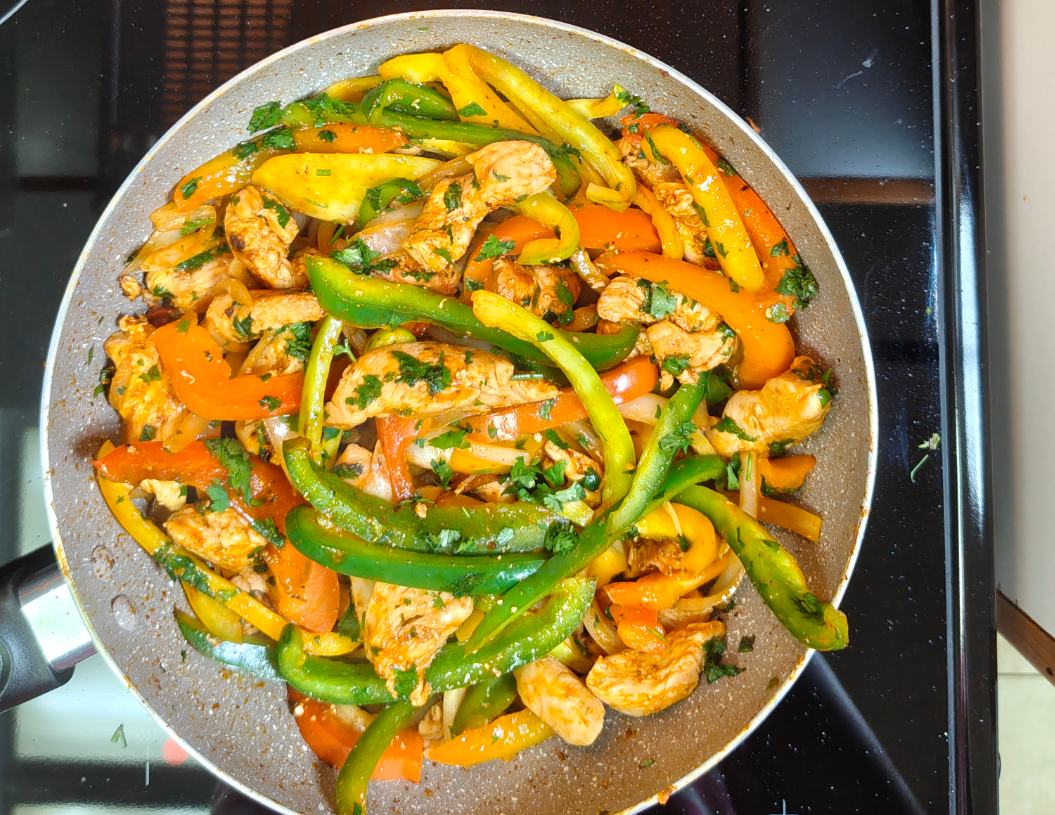
They also go into pan-cooked chicken dishes, where a mix of green, yellow and red strips makes everything look brighter.
Lackie's Notes
If I only have one colour in the fridge, I use it. But when I have a mix, I love putting green, yellow and red together in the same dish.
Green brings that slightly sharper, fresher taste, while the coloured ones add sweetness.
And yes, it makes the plate look good too.