Cooking Guides
How to Make a Good Salad: A Practical Guide
A good salad doesn't need a long list of ingredients. Sometimes a few fresh vegetables and a simple dressing are enough. Other times I want beans, cheese, avocado or a handful of herbs to make it more filling or give it more texture.
There's no single formula. What matters is how the ingredients, the seasoning and the dressing work together in the bowl. Here's how I think about putting a salad together at home, with examples from salads I've already shared on Lackie Flavors.
By Esther LackiePublished
What Makes a Good Salad?
A good salad can be very simple or quite substantial. Tomatoes and onion with a squeeze of lemon can be just as satisfying as a bowl of beans, peppers and a garlicky dressing. It depends on what you're serving it with and what you feel like eating.
Rather than counting components, I find it more useful to think about a few things:
- Freshness: ingredients that are in good condition taste better and hold their texture.
- Flavour: something sharp, something mild, something a little salty or peppery.
- Texture: a mix of crisp, soft and juicy keeps each mouthful interesting.
- Seasoning: a salad without salt can taste flat, even with good ingredients.
- Moisture: some ingredients release liquid, and that affects how the salad holds up.
- The dressing: it should suit the ingredients rather than cover them up.
Start with Ingredients You Actually Want to Eat
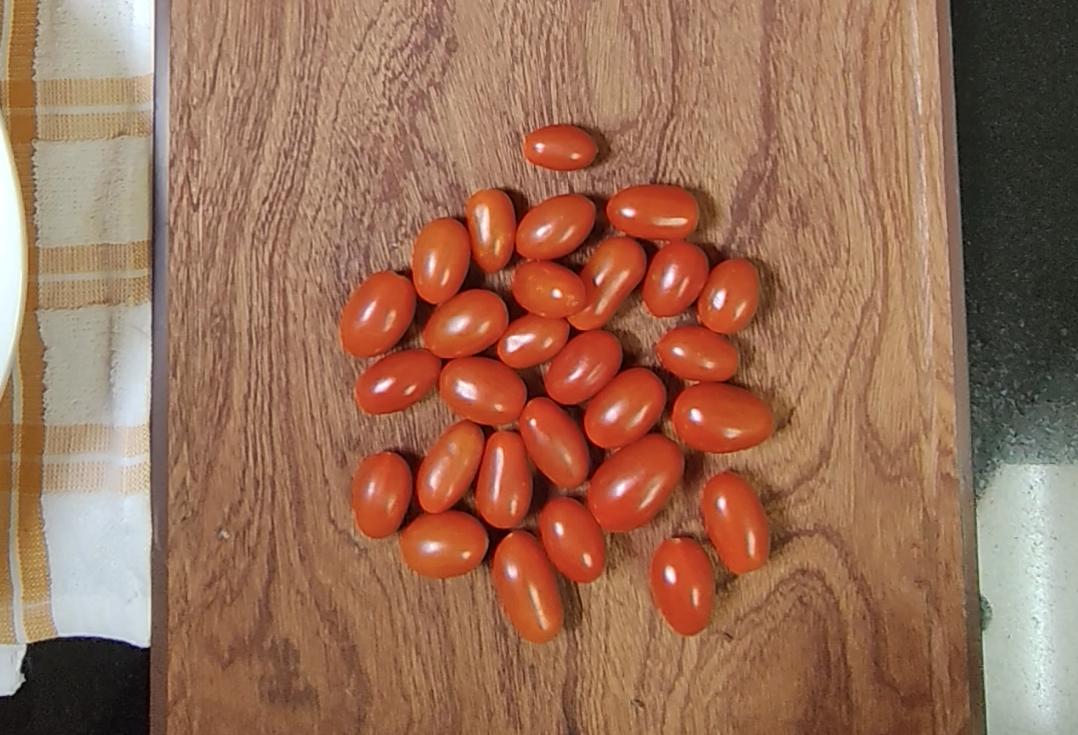
Most of my salads start with whatever vegetables I already have. Tomatoes, cucumber, onion, avocado, rocca and fresh herbs turn up often in my kitchen, but they're examples, not a shopping list.
Build around ingredients you enjoy and that go with the rest of the meal. If you want to know more about choosing and preparing a couple of salad staples, I've written guides to Tomatoes: Types, Flavour, Nutrition & How to Cook Them and How to Cook with Onions.
Think About Texture
A salad where everything has the same texture can get a bit monotonous. Mixing textures makes a big difference: crisp cucumber against soft avocado, juicy tomatoes, tender beans or creamy cheese.
You don't need all of them in one bowl. Even two contrasting textures can make a simple salad more interesting to eat.
Adding Something More Substantial
Beans and cheese are easy ways to turn a salad into something more filling.
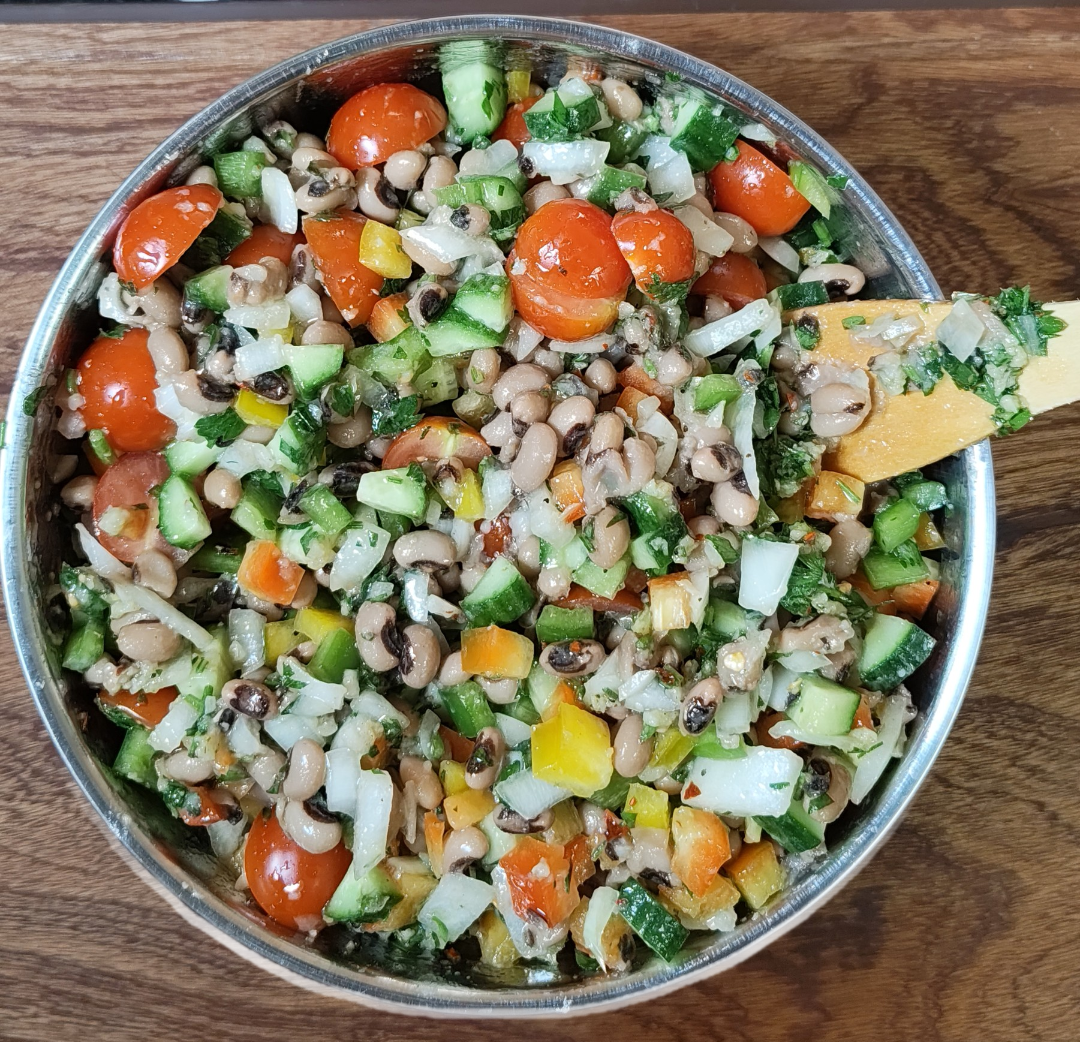
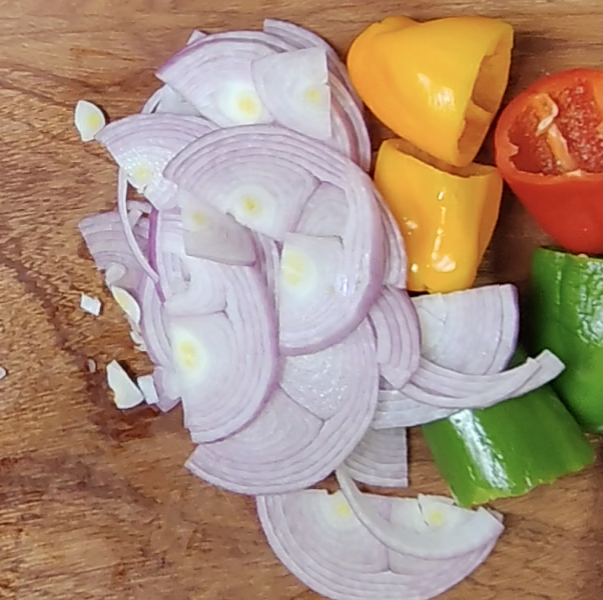
My Easy Black Eyed Peas Salad is a good example. It combines cooked black eyed peas with cucumber, cherry tomatoes, red, yellow and green bell peppers and white onion, with a parsley, garlic and lemon dressing made separately. It's substantial enough to sit alongside a main meal rather than just garnish the plate.
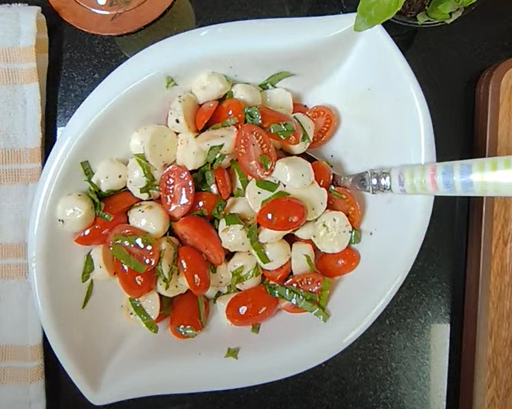
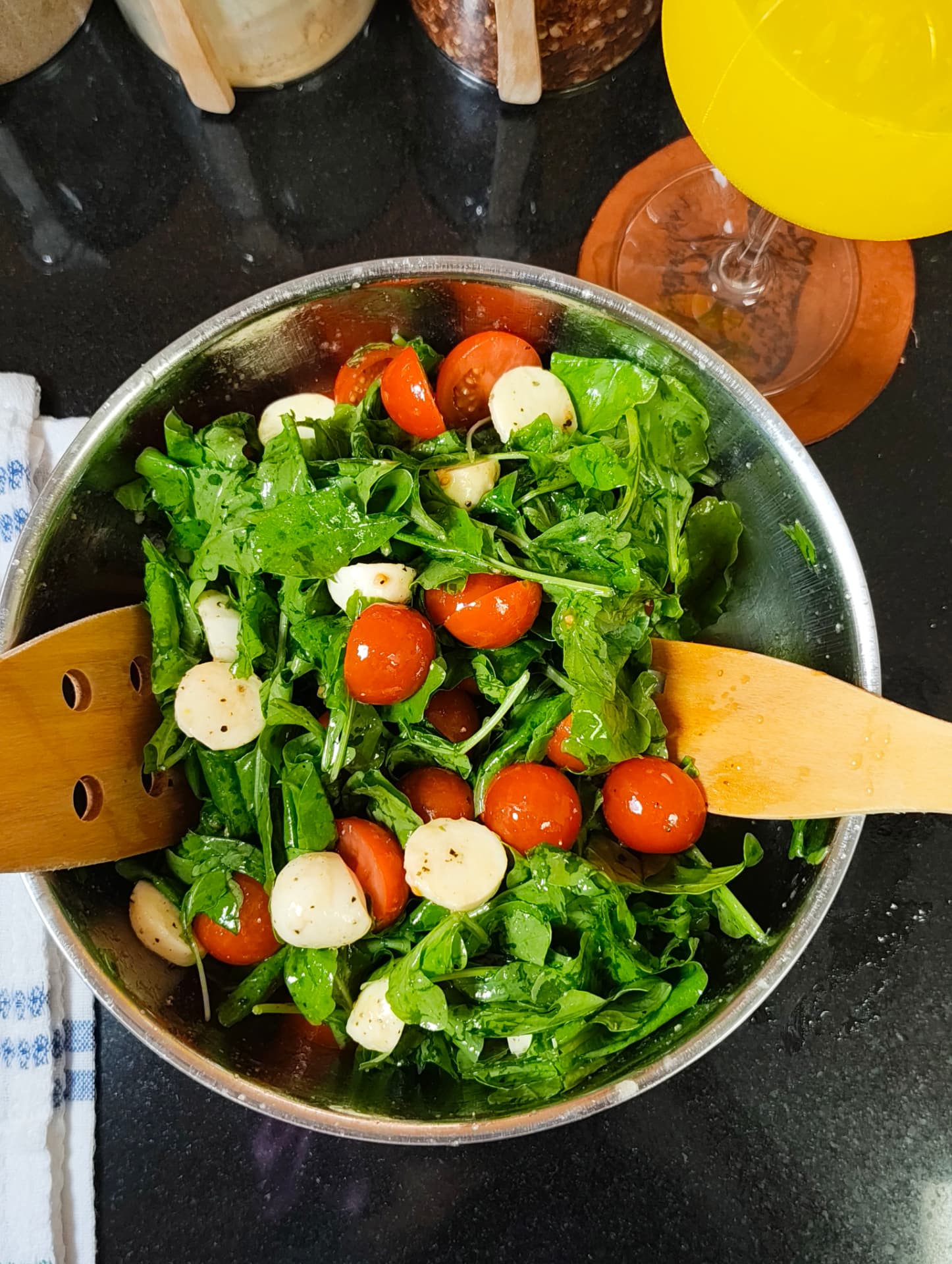
Cheese works differently. In my Caprese Style Salad, halved fresh mozzarella balls sit with cherry tomatoes and basil, and in my Fresh Mozzarella Salad in Minutes, fresh mozzarella goes with rocca and cherry tomatoes. In both, the mozzarella adds a soft, creamy contrast to the fresh vegetables.
Fresh Herbs
Fresh herbs add flavour and freshness without needing a complicated dressing. A handful of chopped herbs can lift a plain bowl of vegetables quite a lot.
Parsley is one I use often in my cooking. It goes into the dressing for my Avocado, Tomato & Cucumber Salad, and it's in the dressing for my Easy Black Eyed Peas Salad too. Basil does a similar job in my Caprese Style Salad.
Homemade Salad Dressings
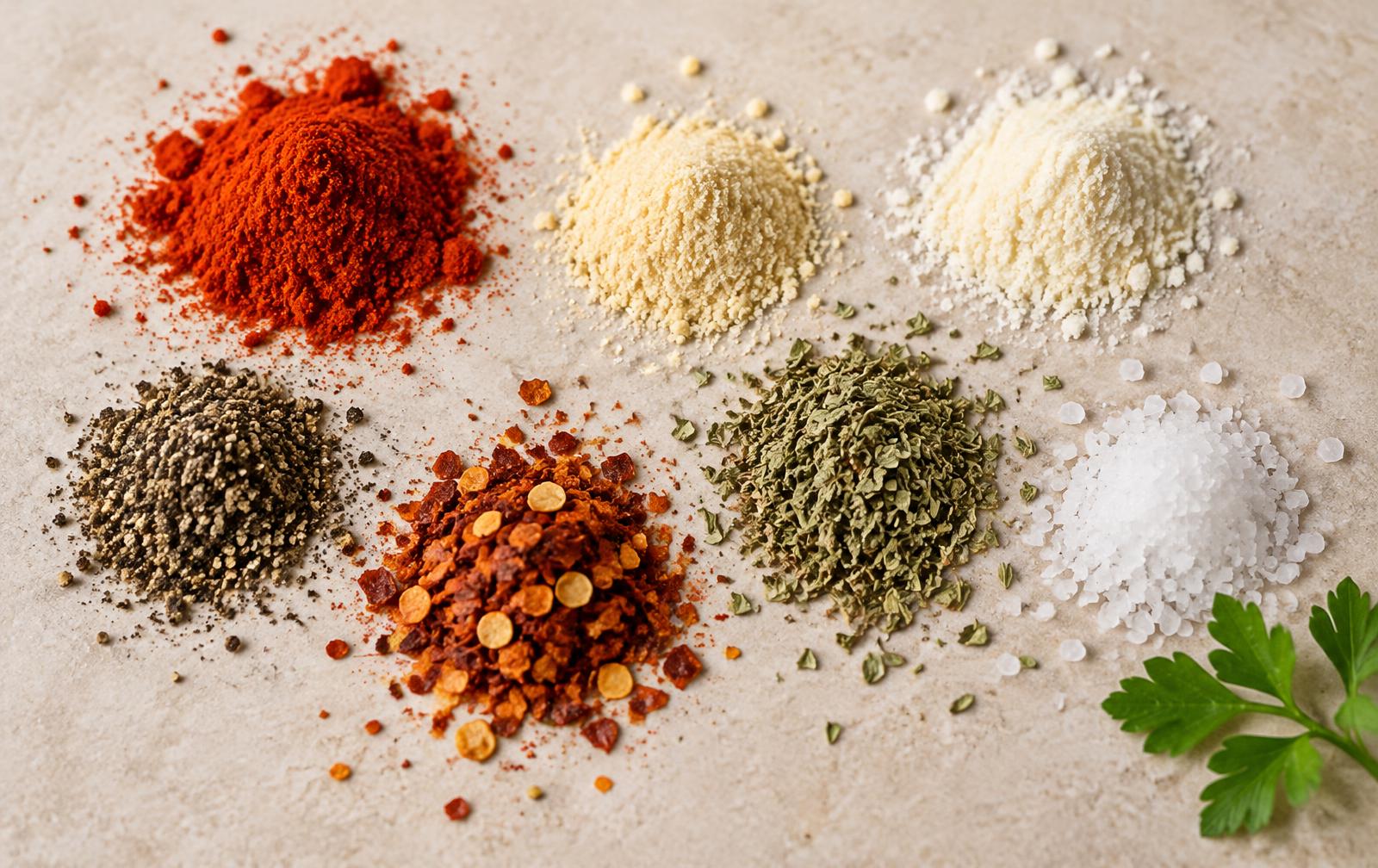
I make my own salad dressings. The basic idea is simple: a dressing should go with the salad, not overwhelm it. Oil, citrus, herbs and seasoning are common starting points, but there's no fixed ratio you have to follow. Taste as you go and adjust to the ingredients in front of you.
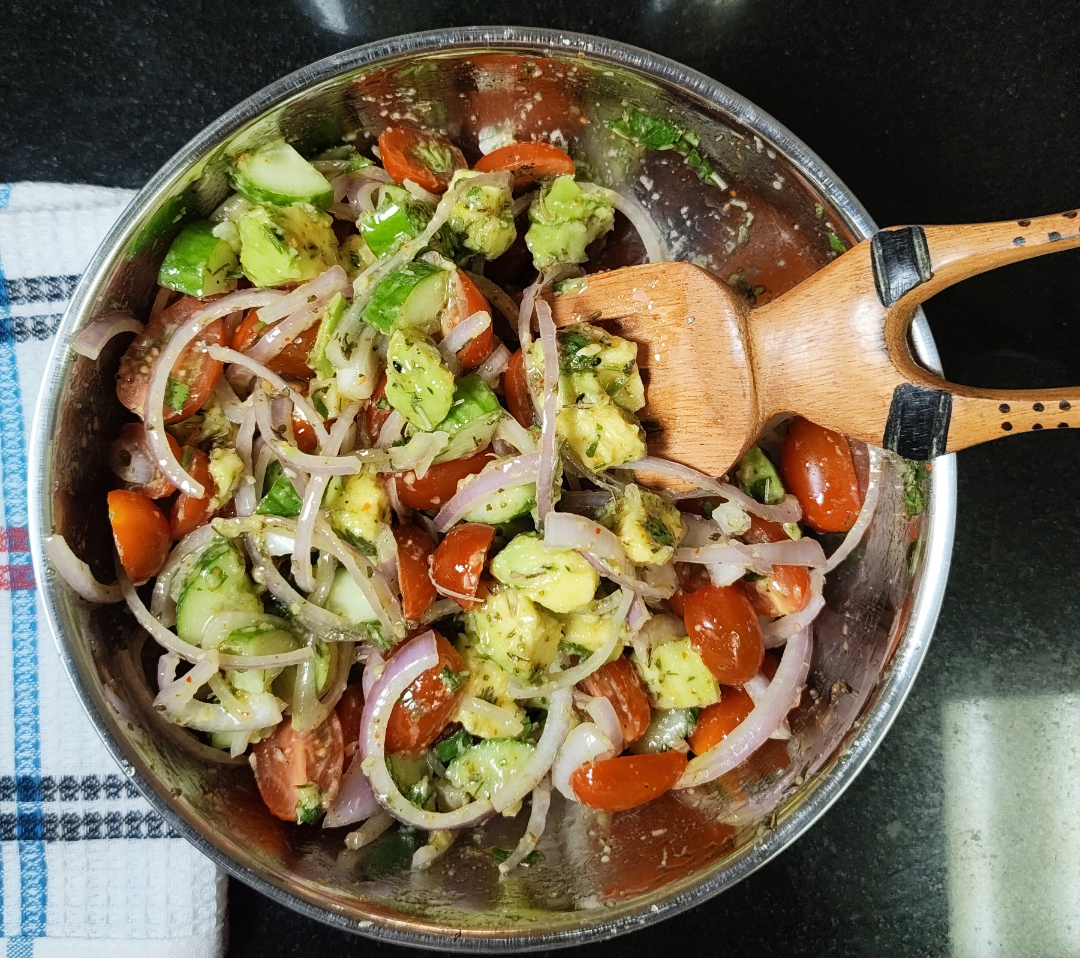
For my Avocado, Tomato & Cucumber Salad, the dressing is mixed herbs spice, a pinch of salt, a dash of togarashi, fresh parsley and olive oil, tossed through the tomatoes, cucumber, onion and avocado. The full quantities and method are on the recipe page.
Sometimes Simple Is Enough
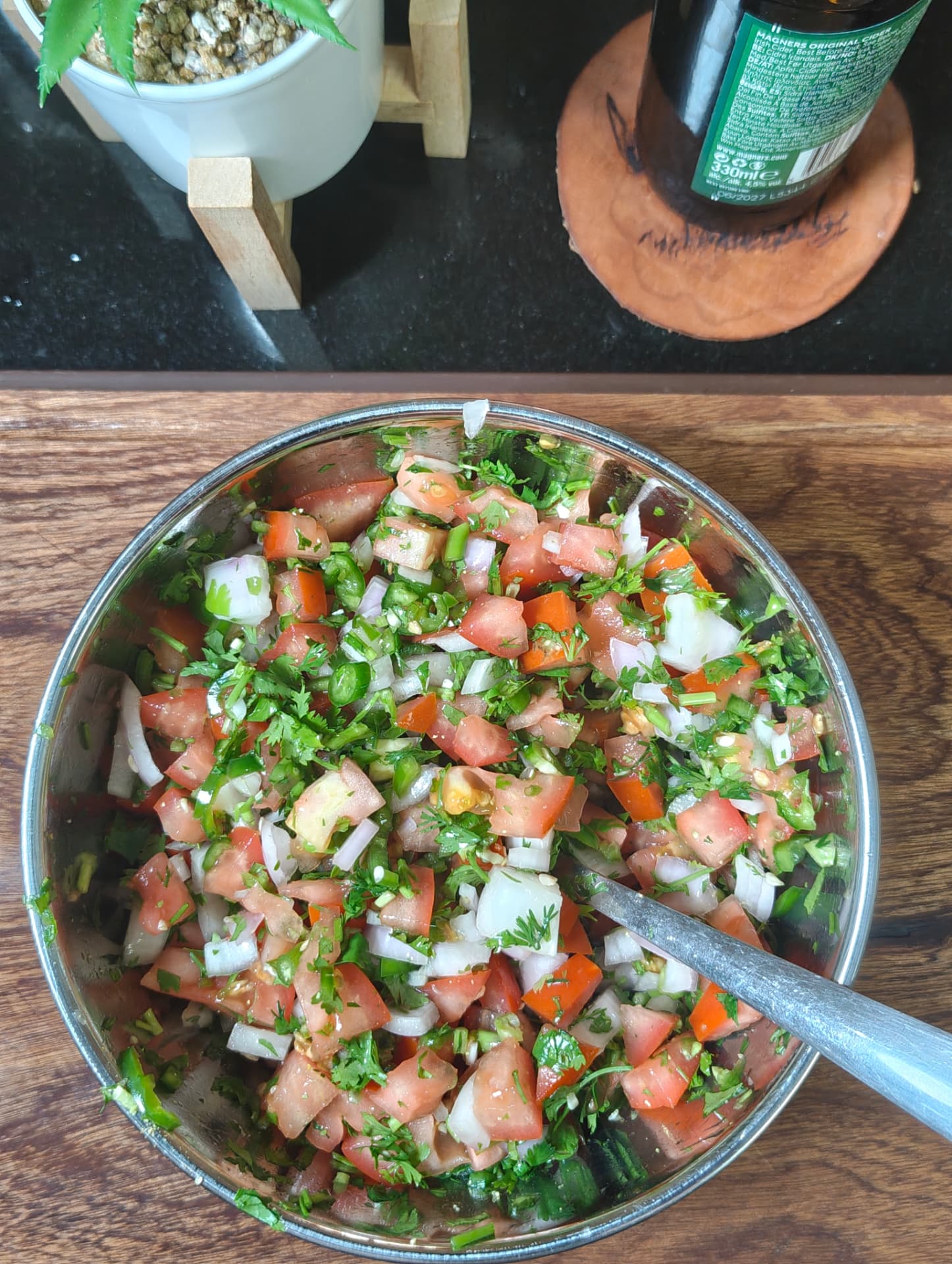
Not every salad needs a full dressing. My Easy Kenyan Kachumbari (Fresh Tomato & Onion Salsa) is made with tomatoes, red onion, fresh coriander and green chillies, finished with lemon juice, seasoned salt and a dash of vinegar, then left to sit for about 15 minutes. There's no separate dressing to make. The lemon and seasoning are enough to bring it together.
When the ingredients already have plenty of flavour, a little acidity and salt can do the job on their own.
Seasoning a Salad
Seasoning matters, but it should suit the ingredients and the dressing. If your dressing already contains salt or a salty ingredient such as cheese, you may need less on the salad itself.
Add a little, toss, taste, then add more if needed. It's much easier to add seasoning than to take it away. For a broader look at salt, spices and herbs, see my guide How to Season Food.
When to Dress a Salad
Delicate leaves such as rocca soften quickly once they sit in dressing, so it's usually best to dress leafy salads close to serving. My Fresh Mozzarella Salad in Minutes is one I make just before serving for that reason.
Some salads benefit from standing for a while after dressing so the flavours can come together. I let my Avocado, Tomato & Cucumber Salad stand for about 15 minutes after dressing, and I leave my Easy Black Eyed Peas Salad for about an hour. That's what works for those particular salads, not a rule for every salad.
Avoiding a Watery or Soggy Salad
A few practical habits help a salad hold its texture:
- Wash produce properly under running water before cutting it. Bagged greens labelled as pre-washed don't need washing again.
- Drain or dry ingredients after washing so extra water doesn't end up in the bowl.
- Avoid adding unnecessary liquid. Drain cooked beans well before using them.
- Think about when the dressing goes on, especially with leaves.
- Handle soft ingredients such as avocado and fresh mozzarella gently so they don't break down.
Source: U.S. Food and Drug Administration, Selecting and Serving Produce Safely
Preparing Salads Ahead
Different salads behave differently when prepared ahead. Dressed leaves wilt, cut avocado can discolour, tomatoes release juice as they sit, and bean salads often hold up better than leafy ones.
For food safety, the FDA advises refrigerating cut, peeled or cooked fresh produce within two hours. For leftovers in general, the USDA's guidance is to use refrigerated leftovers within three to four days. If you're unsure about a particular salad, that general guidance is a sensible place to start.
Source: U.S. Food and Drug Administration, Selecting and Serving Produce Safely; USDA Food Safety and Inspection Service, How long can you keep leftovers in the refrigerator?
Salad Ideas from Lackie Flavors
If you'd like somewhere to start, here are the salads I've shared so far:
- Avocado, Tomato & Cucumber Salad: cherry tomatoes, cucumber, onion and avocado in an olive oil, parsley and herb dressing.
- Easy Kenyan Kachumbari (Fresh Tomato & Onion Salsa): tomatoes, red onion, coriander and green chillies with lemon, seasoned salt and a dash of vinegar.
- Caprese Style Salad: cherry tomatoes, fresh mozzarella and basil with olive oil, salt and black pepper.
- Easy Black Eyed Peas Salad: black eyed peas, cucumber, cherry tomatoes, three colours of bell pepper and onion with a parsley, garlic and lemon dressing.
- Fresh Mozzarella Salad in Minutes: rocca, cherry tomatoes and fresh mozzarella with olive oil, herbs, salt and black pepper.