Ingredient Guides
Basmati Rice: What It Is and How to Cook It
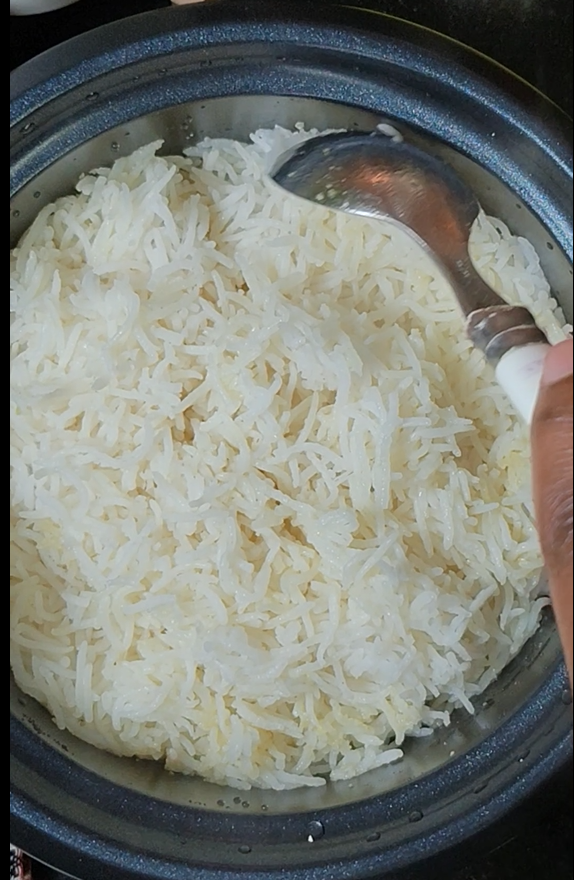
Basmati rice is one of those ingredients I always like having in the kitchen.
I cook rice regularly at home, and basmati is the variety I reach for when I want those lovely long, fluffy grains that stay separate after cooking.
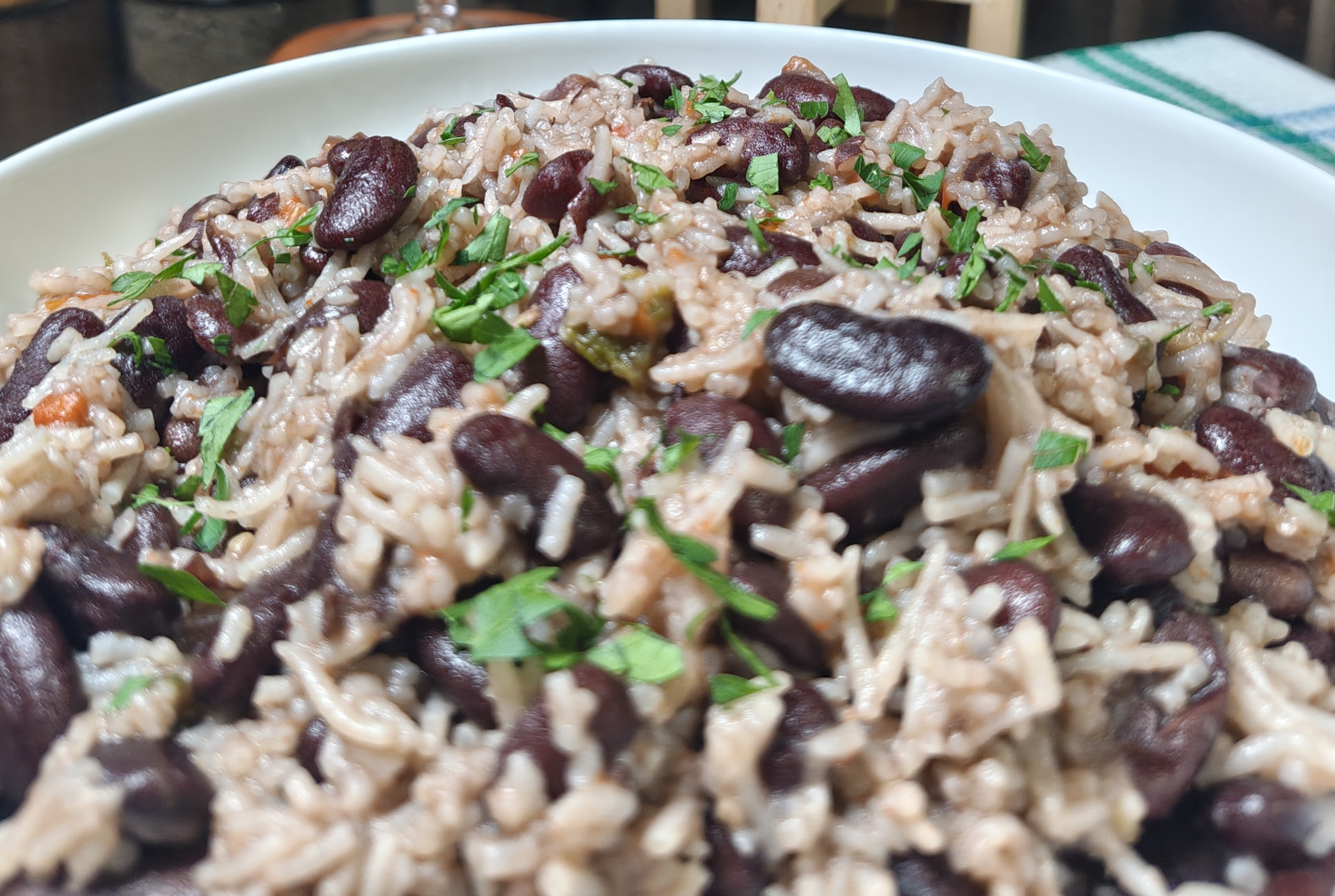
It's also incredibly versatile. You can serve it simply alongside a stew, use it with beans, pair it with meat or vegetables, or build it into a completely different rice dish.
But what actually makes basmati different from other types of rice?
By Esther LackiePublished
What Is Basmati Rice?
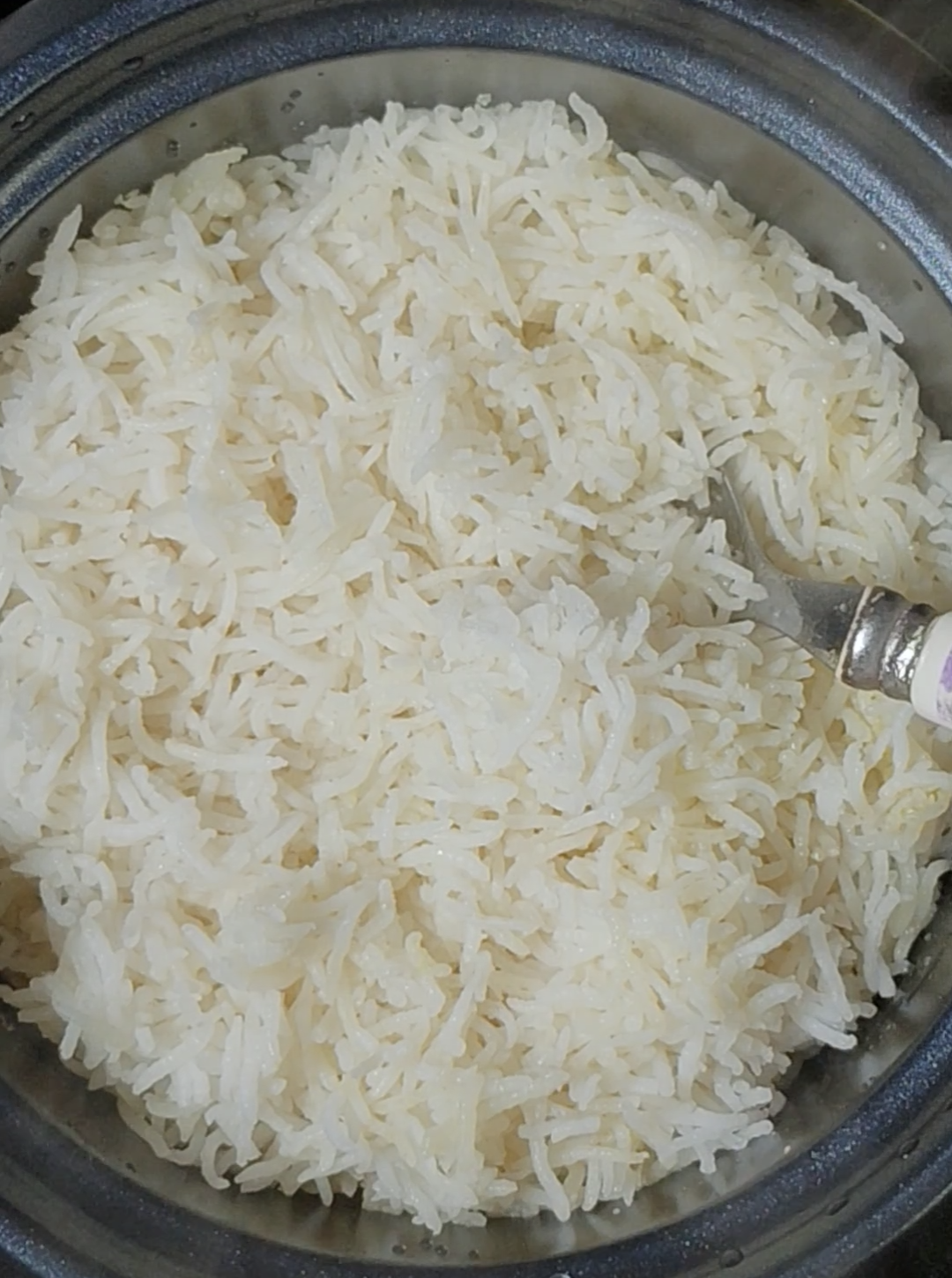
Basmati is a type of long-grain aromatic rice known for its long, slender grains and distinctive fragrance.
It is grown mainly in regions of India and Pakistan.
When cooked appropriately, basmati grains characteristically remain separate and fluffy rather than becoming sticky.
White Basmati vs Brown Basmati
Both white and brown basmati come from basmati rice, but they are processed differently.
Brown rice retains its bran layer, while white rice undergoes further milling.
That difference affects both texture and nutrition.
Brown basmati generally has more fibre than white basmati and tends to have a different texture and stronger aroma.
White basmati is the variety I most often use in my own everyday rice cooking.
Nutrition and What Rice Provides
Rice is primarily a starchy carbohydrate food and provides energy as part of a balanced diet.
Rice and grains can also contribute nutrients including B vitamins, while brown and wholegrain varieties generally provide more fibre than refined white varieties.
That doesn't mean one type of rice has to be labelled "good" and another "bad". They are different options, and what you choose can depend on the meal you're making and your own preferences.
Should You Rinse Basmati Rice?
For the basmati rice I cook at home, I rinse it before cooking.
I rinse the rice with fresh water until the water becomes noticeably clearer, then drain it.
This is part of my own regular basmati routine and the method I use in my Fluffy Rice Cooker Basmati Rice recipe.
Should You Soak Basmati Rice?
For my usual rice cooker method, I soak the basmati rice for at least 30 minutes before cooking.
This is how I prepare my own basmati at home. If you'd like the fuller explanation of my rice routine, have a look at my guide How to Cook Rice: Simple Methods for Fluffy Rice Every Time.
How I Cook Basmati Rice at Home
My everyday rice cooker method is simple.
I soak the basmati rice for at least 30 minutes, then drain it.
For 2 cups of soaked basmati rice, I use 1½ cups of water and a pinch of salt. That's the ratio I've tested in my own rice cooker with my everyday white basmati.
I let the rice cooker run its normal programme.
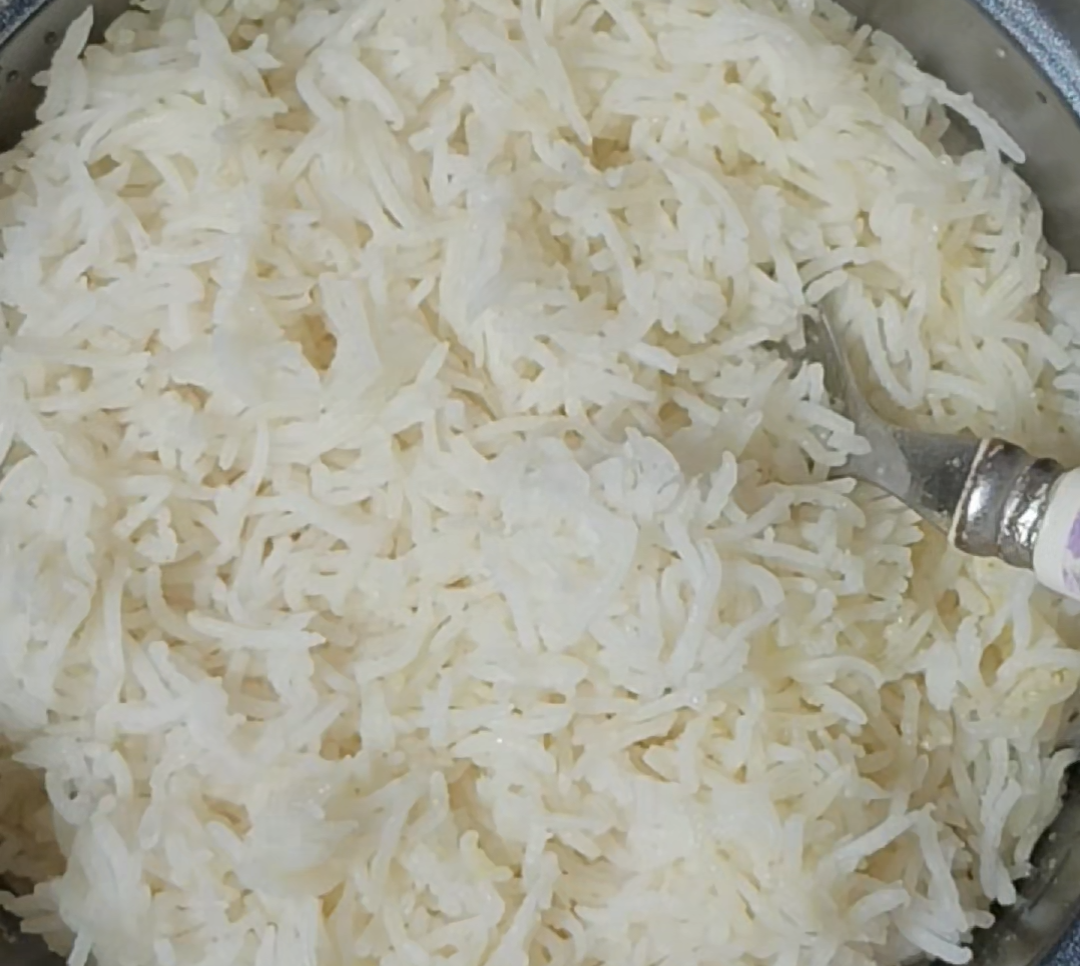
Once it finishes, I leave the rice on warm for at least 10 minutes before gently fluffing it.
That resting time is part of my routine. I don't immediately start digging into the rice the second the cooker finishes.
And yes, I like my grains separate.
Like some relationships.
What Can You Serve With Basmati Rice?
One of the reasons I use basmati so often is that it works with so many different meals.
I serve rice alongside everything from beef and chicken dishes to beans, vegetables and saucy dishes.
Sometimes I keep the rice completely plain and let whatever I'm serving with it do all the talking.
Other times rice becomes part of the dish itself, like my Easy Kidney Beans & Rice.
Lackie's Notes
If there's one thing I've learned from cooking rice regularly, it's that you don't need a new method every time you make it.
Find the method that works for the rice you buy and the equipment you use.
For my everyday white basmati, that means rinsing, soaking for at least 30 minutes, using my tested rice cooker ratio, letting the machine do its thing and giving the rice time to rest before fluffing.
Simple.
And the grains stay separate.
Exactly how I like them.