Air Fryer Guides
Air Fryer Cooking Times: What Affects How Long Food Takes?
Two people can cook the same kind of food in two different air fryers and not get exactly the same result at exactly the same minute. Even in the same air fryer, a thick chicken thigh and a smaller one may not finish at precisely the same time.
That's why I give you cooking times in my recipes, but I also pay attention to the food itself. A recipe time is useful guidance, but thickness, size, quantity, starting temperature, how the basket is arranged and the air fryer itself can all change how long food actually takes.
This isn't a cooking-time chart. It's a look at what affects timing, so you can use recipe times sensibly and know when checking your food really matters.
By Esther LackiePublished
Why Air Fryer Cooking Times Vary
Air fryers cook by circulating hot air around food, but they are not all the same. They vary in size, power and design, and the food going into them varies too.
So the time it takes is shaped by several things at once, not just the temperature you choose on the display. It's also not as simple as wattage alone deciding how long something takes.
Source: USDA Food Safety and Inspection Service, Air Fryers and Food Safety
Food Size and Thickness
Thickness matters. Under otherwise similar conditions, a thicker piece of food generally takes longer for the heat to reach the centre than a thinner one.
Pieces that aren't the same size may not finish at the same time either. USDA notes that the size and distribution of food can mean individual pieces reach a safe internal temperature at different times.
That doesn't mean there's a neat formula. Twice as thick doesn't simply mean twice as long.
- chicken pieces
- fish fillets
- steaks or chops
- larger vegetables or potato pieces
Source: USDA Food Safety and Inspection Service, Air Fryers and Food Safety
Whole, Sliced, Cubed or Smaller Pieces
How you cut food changes both its thickness and how much of it is exposed to the hot air.
A whole potato, potato wedges and small potato cubes shouldn't be expected to behave the same way. The same goes for a whole piece of anything compared with small pieces of the same ingredient. They can need quite different approaches.
How Much Food Is in the Basket?
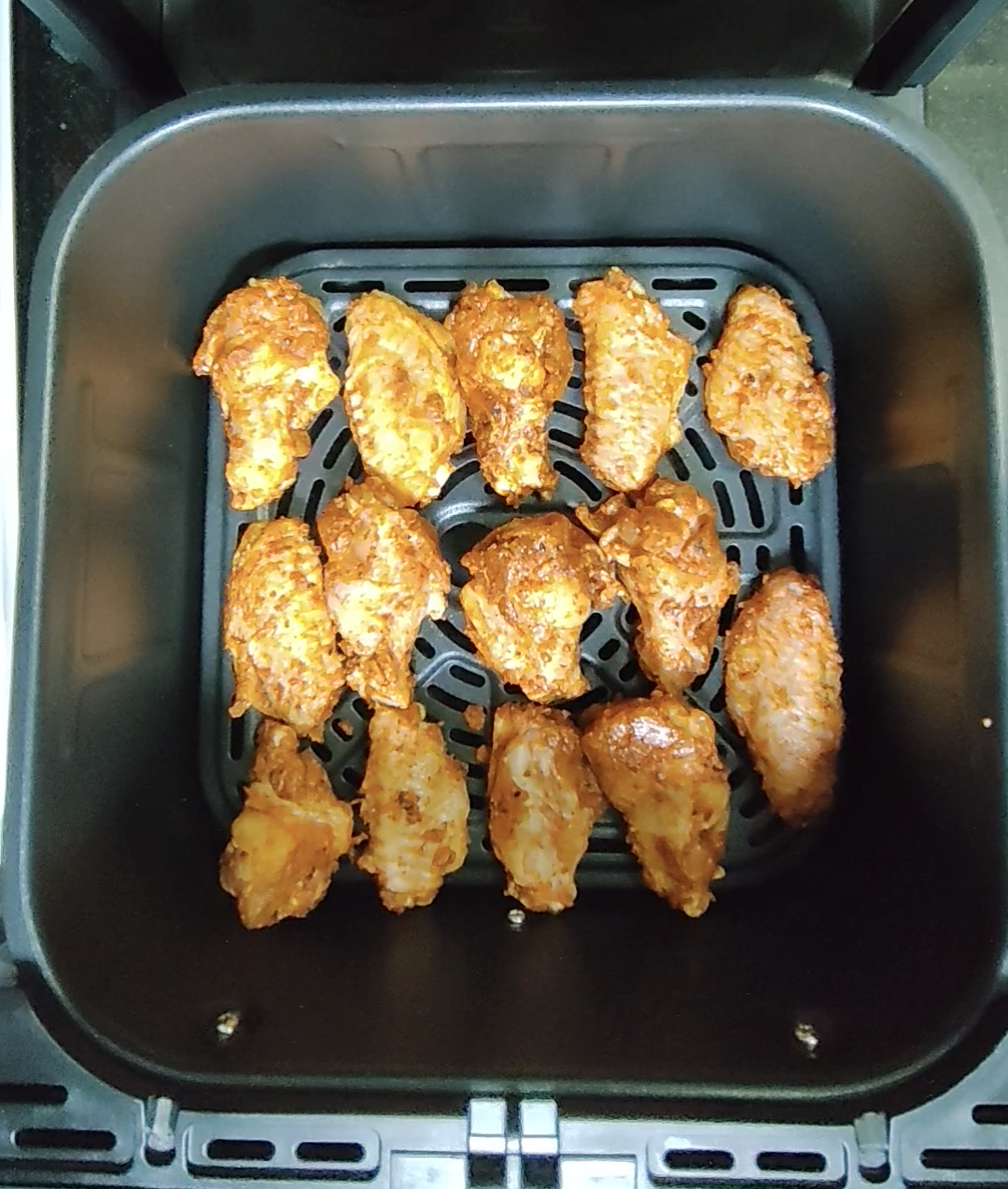
Quantity matters too. Adding more food can change how freely the hot air moves around each piece.
USDA advises against overfilling the air fryer basket, because reduced air circulation can lead to uneven cooking and undercooking.
That doesn't mean food can never touch, and there's no single fill level that suits every machine. If your basket is too crowded for what you're cooking, cooking in batches can be the easier option. Follow the capacity guidance for your own air fryer.
Source: USDA Food Safety and Inspection Service, Air Fryers and Food Safety
Basket Arrangement and Air Circulation
How food is arranged affects how much moving hot air reaches its surfaces. Food stacked deeply or packed tightly can cook differently from food with more of its surface exposed.
That doesn't mean everything has to sit in a perfect single layer, or that there's one correct gap between pieces. Different recipes and different air fryers handle food differently.
Starting Temperature of the Food
Food straight from the fridge can behave differently from food that starts off warmer, and frozen food is a different starting point again. It shouldn't automatically get the same time as chilled or thawed food.
Please don't leave raw meat, poultry, fish or other perishable food sitting out at room temperature just to make it cook faster. Keep following proper food safety guidance.
Frozen vs Fresh
Frozen and fresh versions of the same food may need different cooking approaches. There's no simple rule for how many extra minutes frozen food needs.
If a packaged frozen food comes with air fryer instructions from the manufacturer, follow those where they apply. And not every frozen food is suitable for cooking straight from frozen, so check the packaging or recipe first.
Bone-In vs Boneless
Bone-in and boneless pieces shouldn't automatically be expected to cook in the same time. But the bone isn't the only thing going on. Shape, thickness and size matter too.
A bone-in chicken thigh and a boneless one can differ in all of those ways, so it's worth looking at the whole piece rather than just asking whether it has a bone.
The Air Fryer Itself Matters
Air fryers are not identical, and USDA notes that cooking times can vary with the size and power of the air fryer.
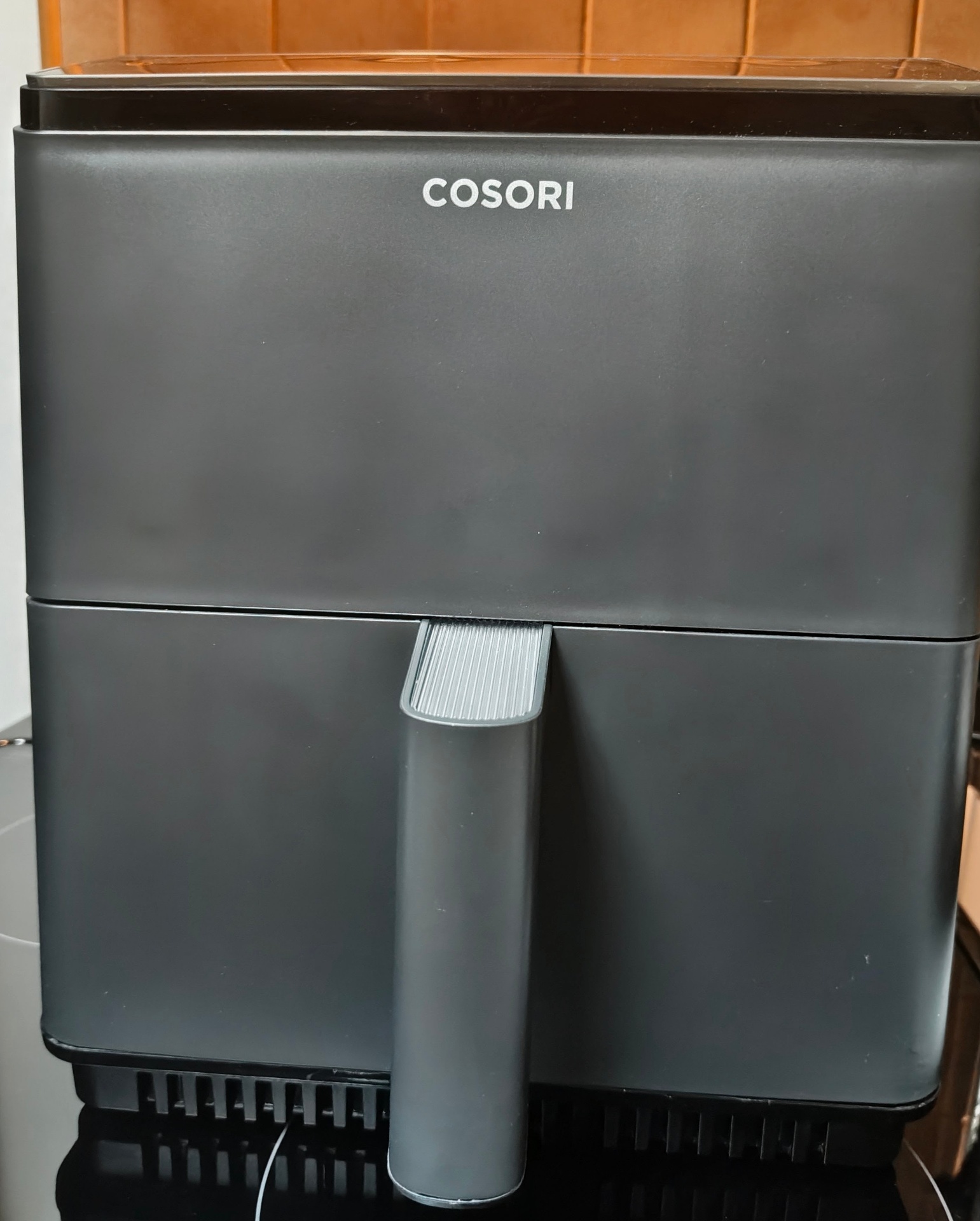
The way a machine is built can also play a part, and it doesn't mean one design is better than another. It simply means a time that works in one machine is a starting point in another. I now cook with three COSORI air fryers, the Dual Blaze, the TwinFry FlexDrawer and the Turbo Blaze, and that's exactly why I don't assume a recipe will behave identically in every appliance. I might cook something for a certain amount of time in one of my air fryers, but that doesn't mean it'll take exactly the same time in another. Your air fryer might be different too.
- appliance size
- power
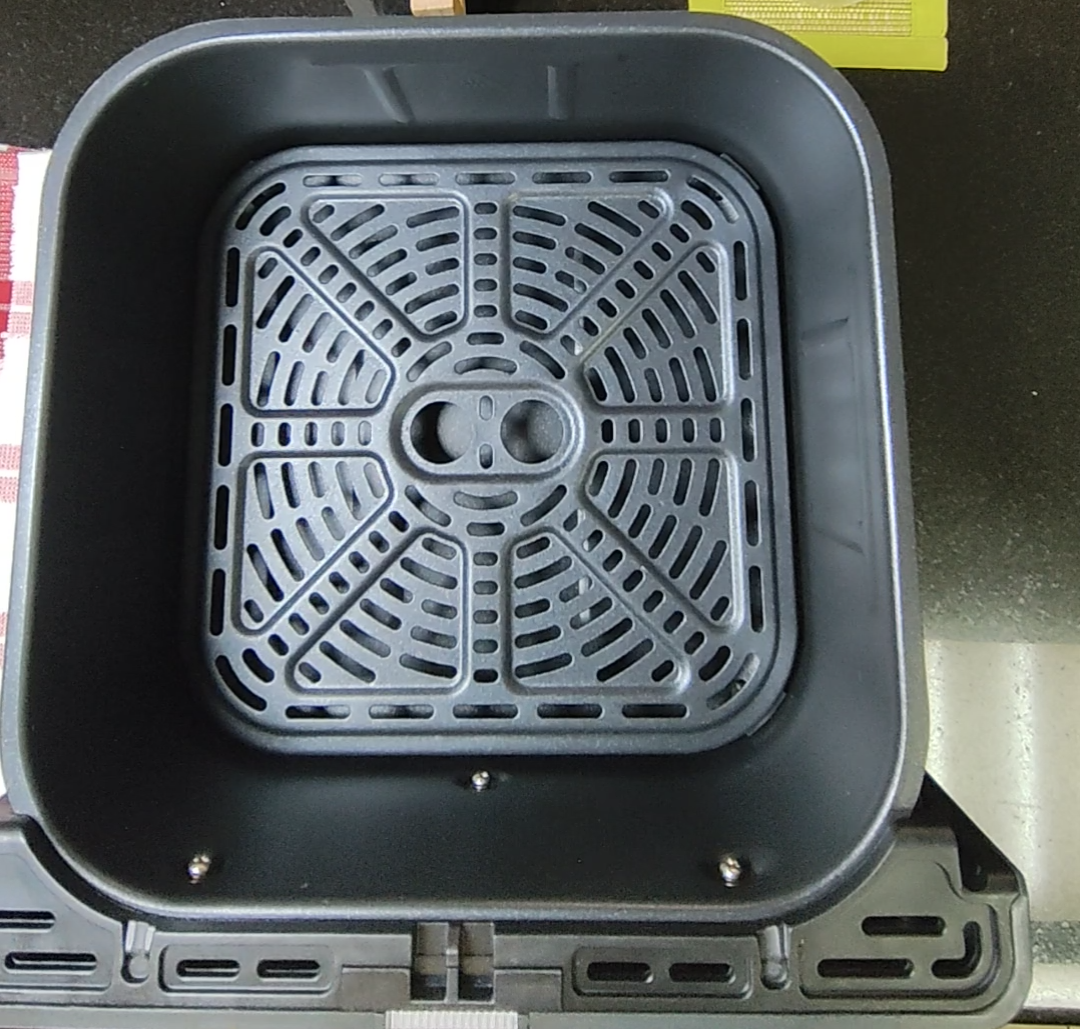
- basket or drawer design
- heating configuration
- airflow
- how quickly it reaches and holds its heat
Source: USDA Food Safety and Inspection Service, Air Fryers and Food Safety
Does Preheating Change the Timing?
It can change how you should read a recipe's time. A recipe developed from a cold start isn't necessarily directly equivalent to one cooked in a preheated air fryer.
Not every air fryer needs preheating, and it depends on the food, the recipe and the appliance. I've covered this properly in Do You Need to Preheat an Air Fryer?.
Opening the Basket
Opening the air fryer to check on food briefly interrupts the cooking, but that's no reason to be afraid of checking. When you're getting to know how a food behaves in your machine, a quick look can be really useful.
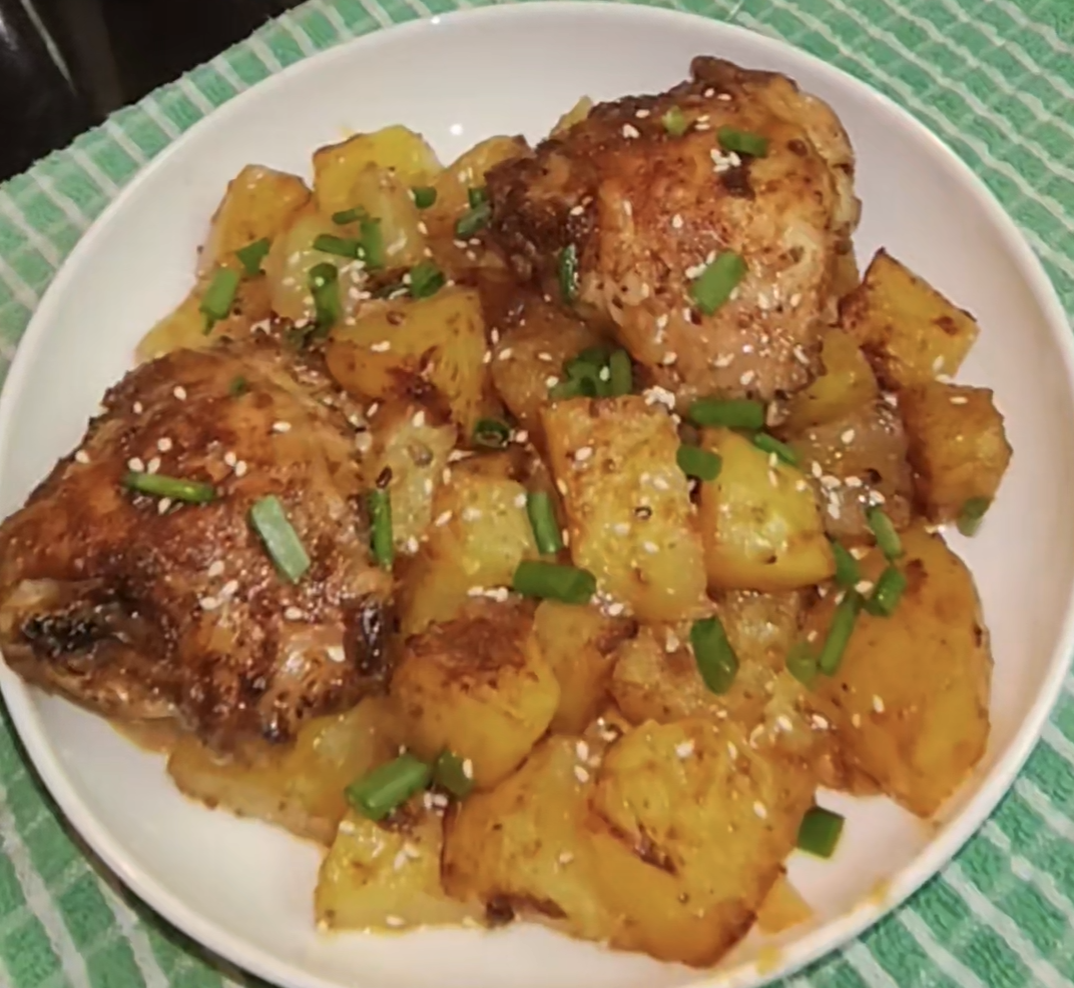
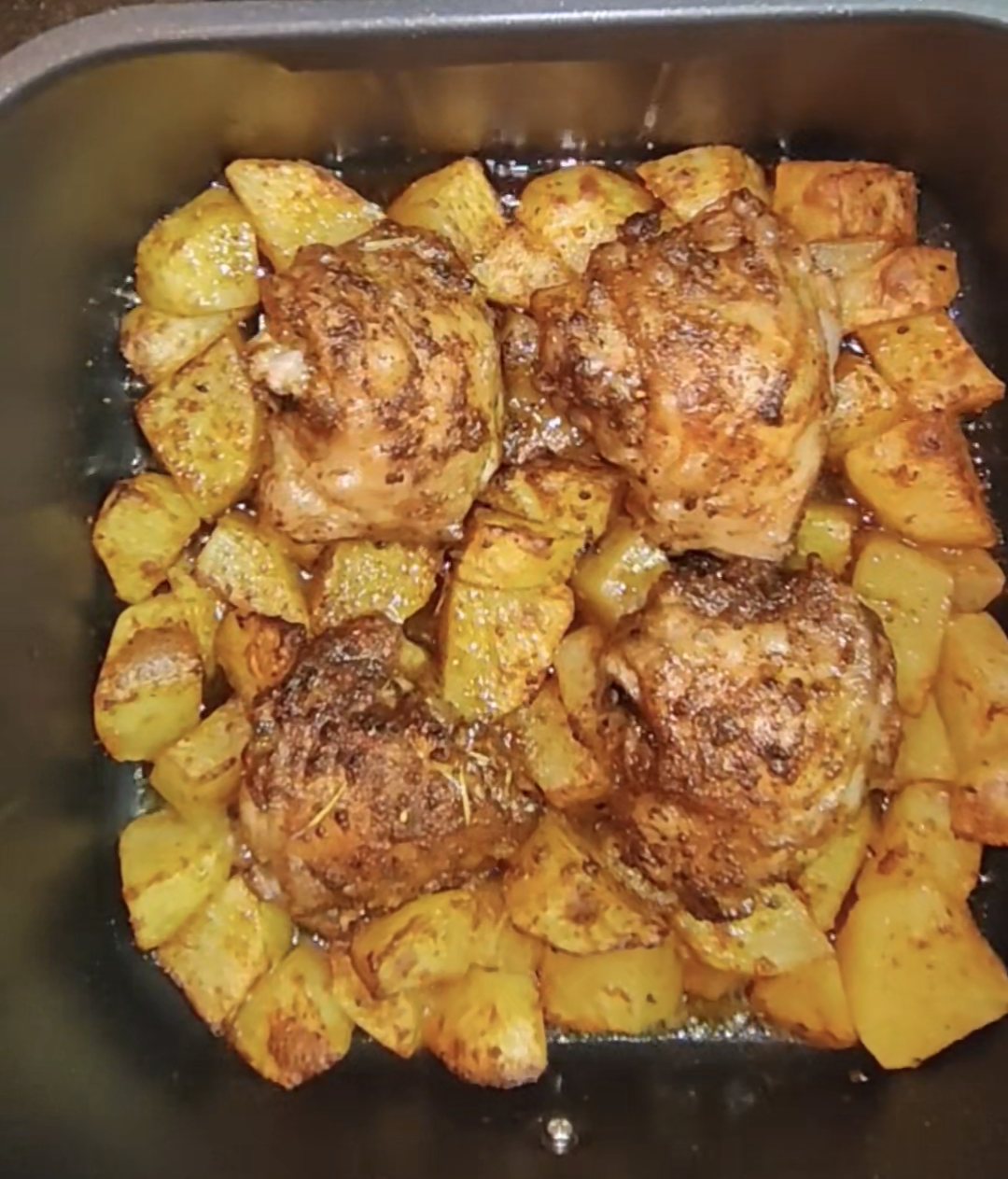
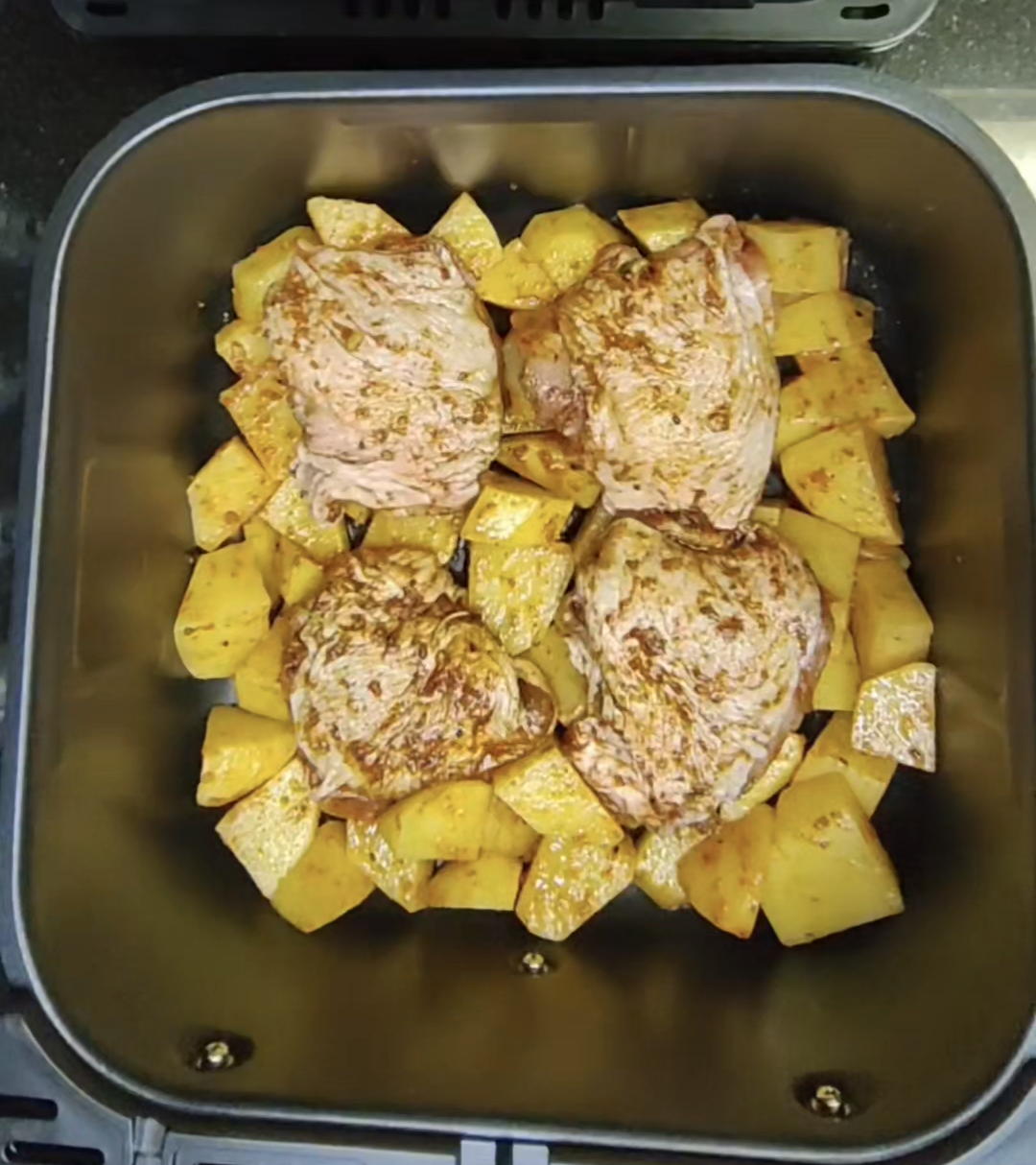
In my Easy Air Fryer Chicken and Potatoes, I didn't turn, flip, stir or toss anything. I simply opened the basket about halfway through to see how everything was getting on. That's what worked for that recipe, not a rule for every recipe.
Turning, Flipping and Tossing
Some recipes benefit from turning or tossing so different surfaces get exposed to the heat. Others don't need it, depending on the food and the air fryer.
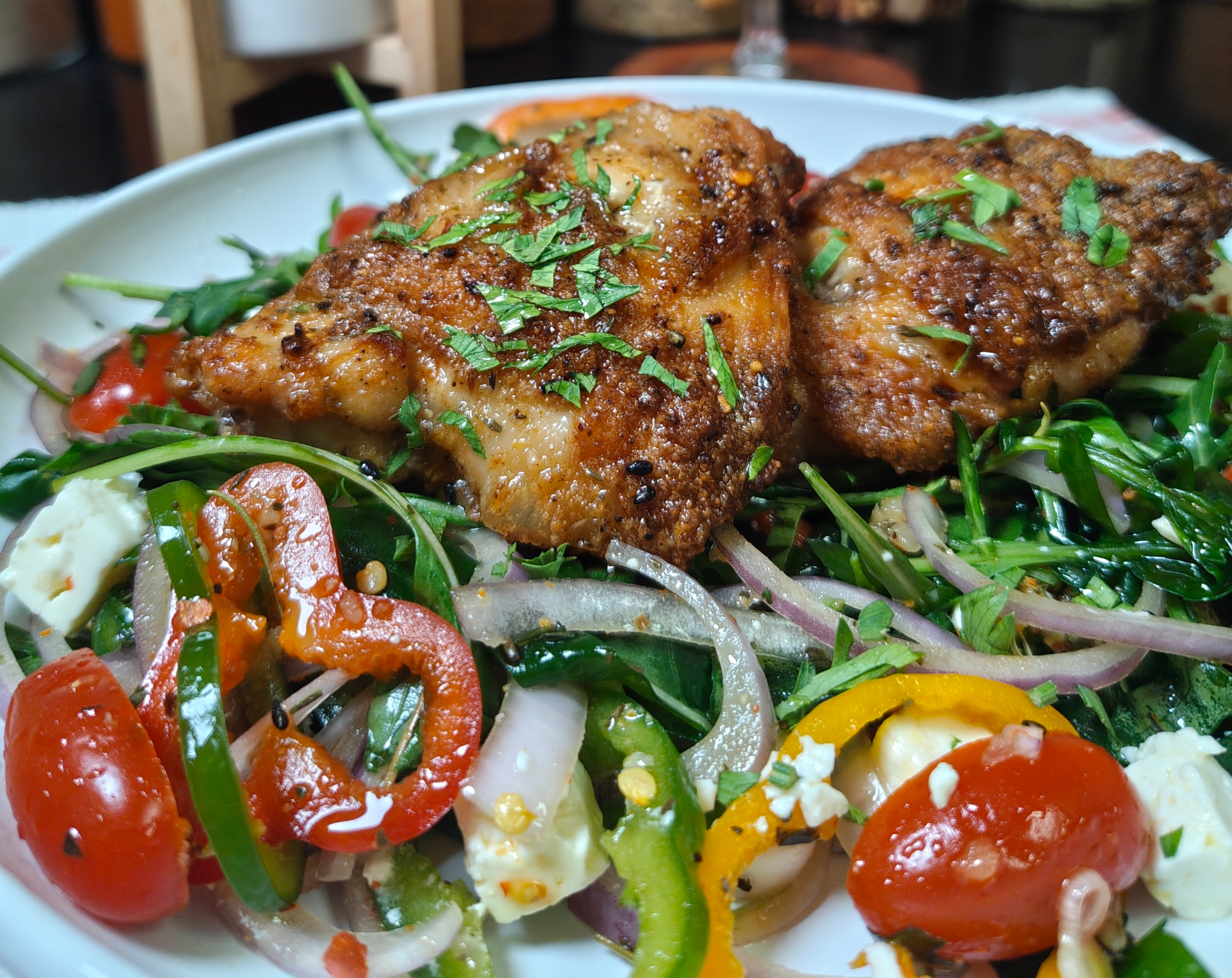
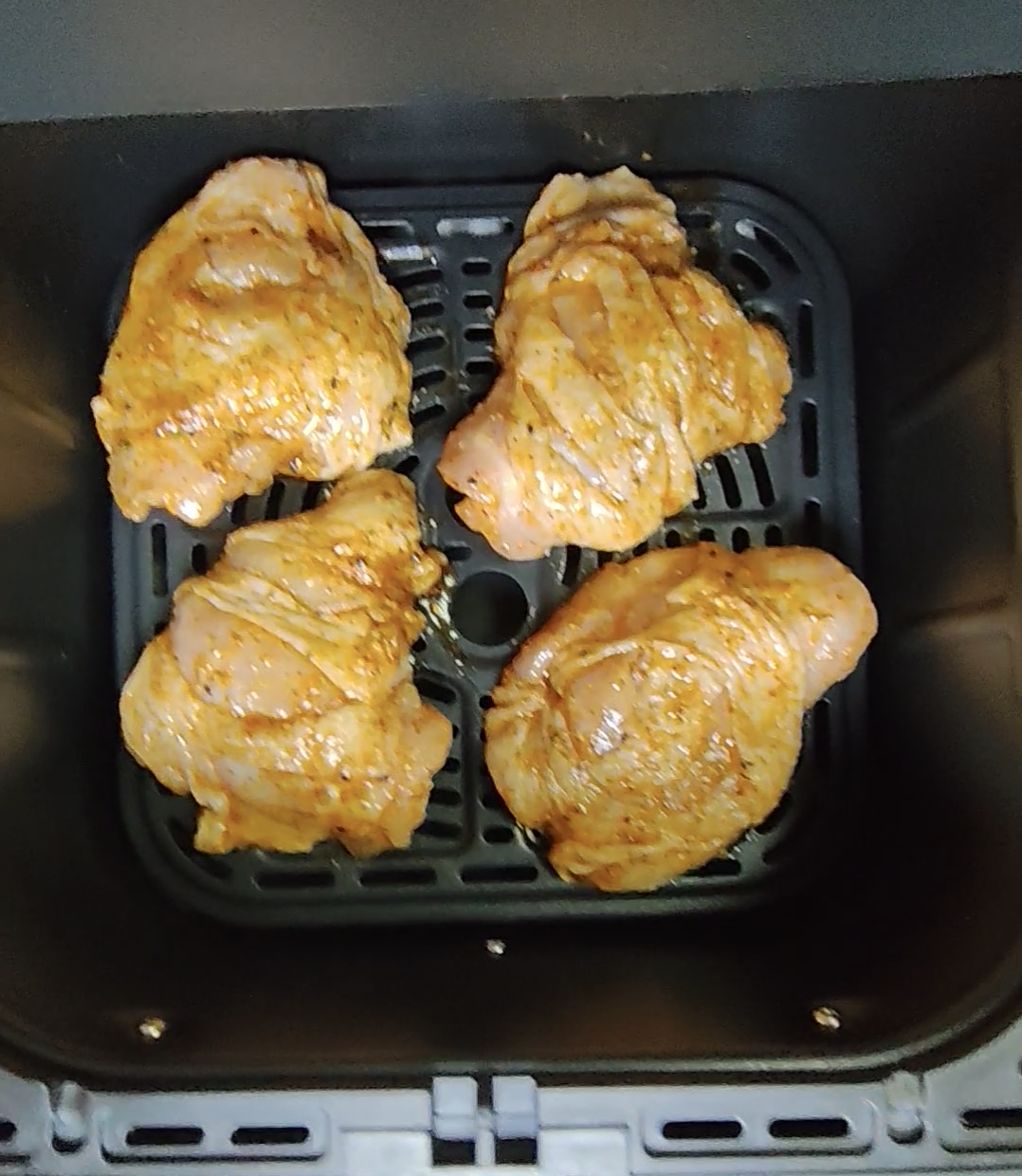
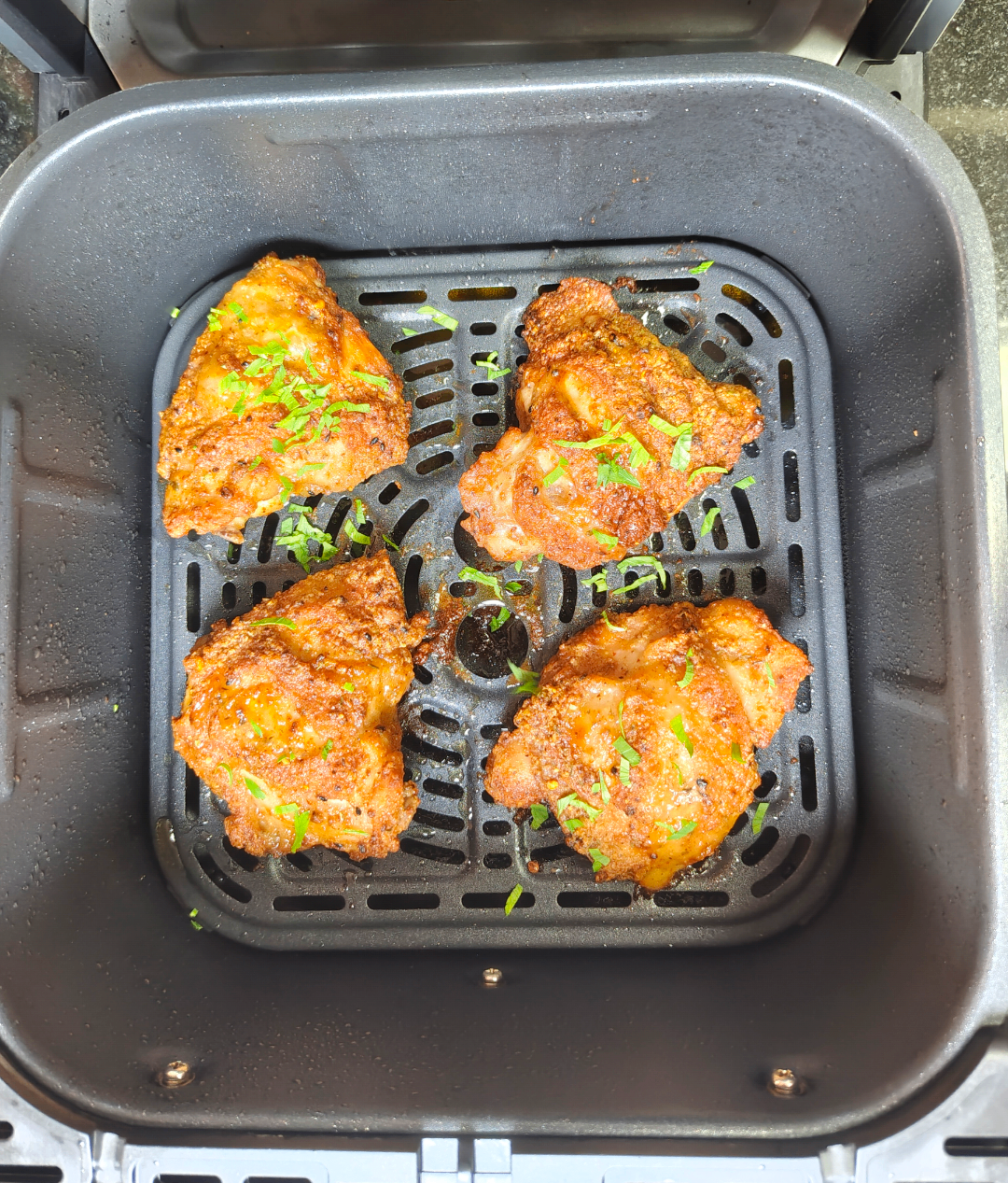
For my Crispy Air Fryer Chicken Thighs, I turned the chicken halfway. For the chicken and potatoes, I didn't. Flipping doesn't automatically make food cook faster, and not every recipe needs flipping halfway. Common Air Fryer Mistakes (And How to Avoid Them) covers a few more of these assumptions.
Recipe Time vs Actual Doneness
A recipe's cooking time tells you what happened under that recipe's conditions. It shouldn't replace checking whether your food is actually ready.
For meat, poultry and fish, how the food looks isn't a reliable food safety test. USDA recommends using a food thermometer to check that food has reached a safe minimum internal temperature.
Source: USDA Food Safety and Inspection Service, Food Thermometers
Where to Check the Temperature
USDA advises placing the thermometer in the thickest part of the food, avoiding bone, fat or gristle.
With thinner foods, inserting the thermometer from the side can help the sensing part reach the centre.
Source: USDA Food Safety and Inspection Service, Food Thermometers
Safe Minimum Internal Temperatures
These are USDA's safe minimum internal temperatures, not my personal doneness preferences. Food safety minimums and how you like the texture of your food are two different things.
- Poultry: 74°C / 165°F
- Ground meats: 71°C / 160°F
- Whole cuts of beef, pork, veal and lamb: 63°C / 145°F, followed by a rest of at least 3 minutes
- Fish and shellfish: 63°C / 145°F
- Leftovers: 74°C / 165°F
Source: USDA Food Safety and Inspection Service, Safe Minimum Internal Temperature Chart
Why Colour Is Not Enough
Browning or colour doesn't necessarily prove that meat or poultry has reached a safe internal temperature. USDA is clear that colour isn't a reliable indicator of food safety.
This is worth remembering with an air fryer, because the outside can brown beautifully before the centre has necessarily got there. That doesn't mean browned food is undercooked. It just means looks alone aren't a safety check.
Source: USDA Food Safety and Inspection Service, Food Thermometers
Start Checking Before You Expect It to Be Done
If you're using an unfamiliar air fryer, cooking a differently sized piece of food or trying a recipe for the first time, checking progress before the very end can help you avoid overcooking.
There's no universal number of minutes early to check, because different foods take very different amounts of time. For meat, poultry and fish, use a food thermometer where safety matters.
Why Lackie Flavors Recipes Give Specific Times
The times in my recipes record how I cooked that particular recipe. They're not a promise that every air fryer in every kitchen will give an identical result at the identical minute.
Use the recipe as your starting point, and keep an eye on your own air fryer, the size and thickness of your food, how much is in the basket, how it's arranged and whether it's actually done.
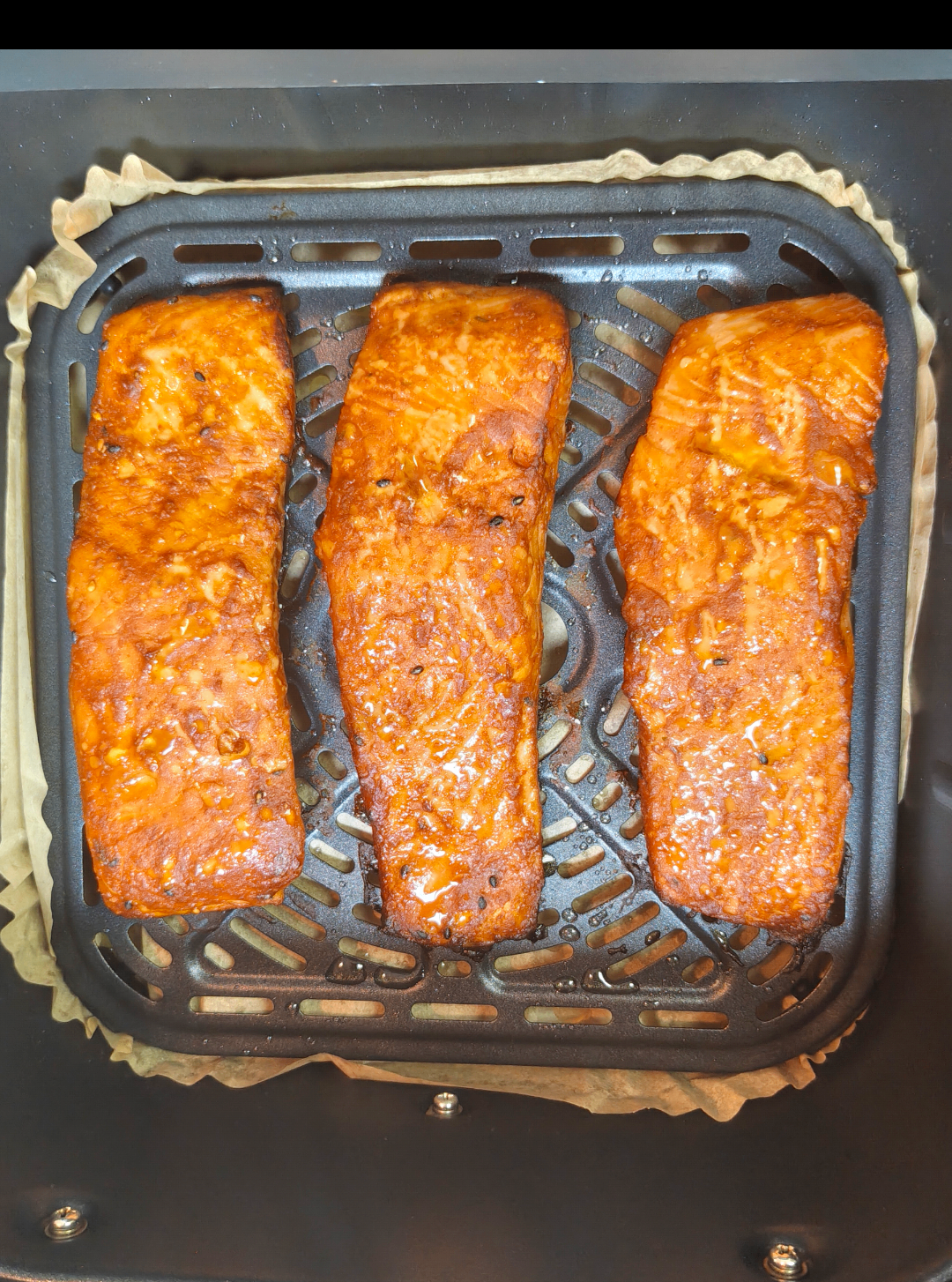
A Simple Way to Think About Air Fryer Timing
Instead of only asking how many minutes something takes, it helps to ask:
- What am I cooking?
- How thick or large is it?
- How much is in the basket?
- Is it fresh, chilled or frozen?
- What does my particular air fryer do?
- How will I know it's actually ready? For foods that need a safe internal temperature, that means checking with a thermometer.