Cooking Guides
How to Cook Rice: Simple Methods for Fluffy Rice Every Time
Rice is one of those foods that looks incredibly simple until you end up with a pot that's too wet, too dry or stuck together in one determined little family.
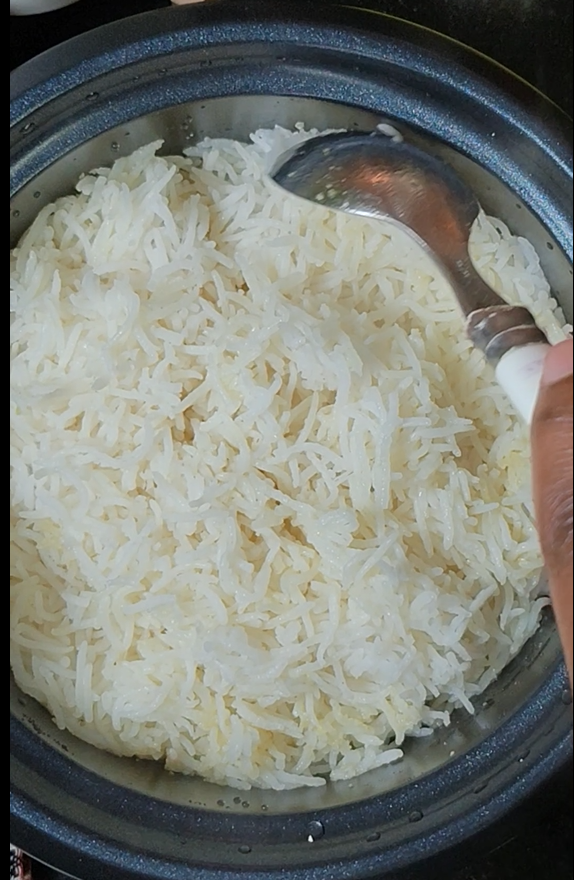
I cook rice regularly at home, and for me the goal is simple: soft, fluffy rice with separate grains.
Like some relationships.
There are different ways to cook rice, and the exact method will depend on the rice you're using and how you're cooking it. But a few simple habits can make a big difference.
By Esther LackiePublished
Should You Rinse Rice Before Cooking?
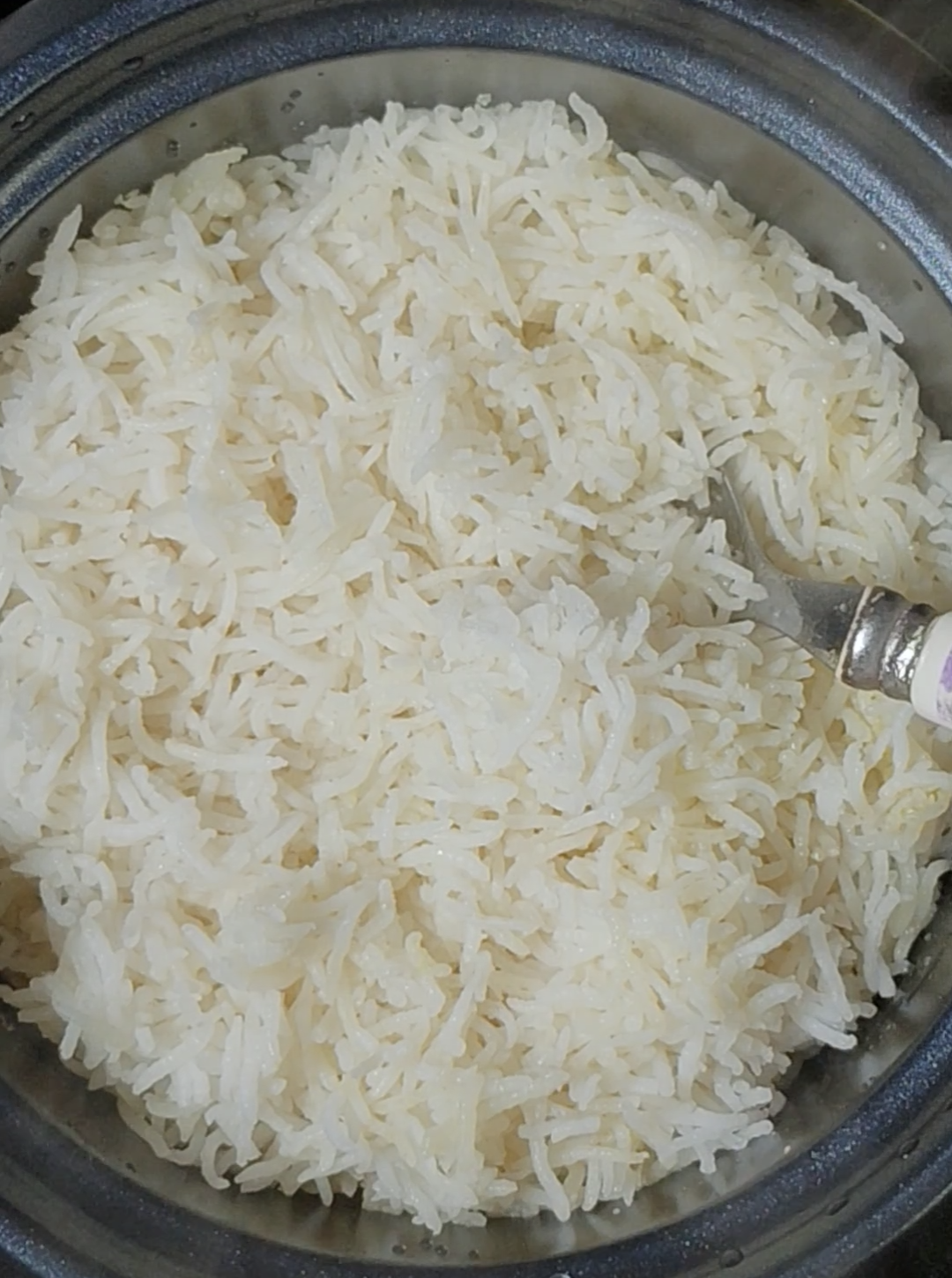
For the basmati rice I cook at home, I rinse the rice before cooking.
Rinsing helps remove some of the loose starch from the surface of the rice. I rinse it with fresh water until the water becomes noticeably clearer, then drain it.
For my usual basmati rice method, I also soak the rice for at least 30 minutes before cooking.
That's the same method I use in my Fluffy Rice Cooker Basmati Rice recipe.
Getting the Rice to Water Ratio Right
This is where things can go sideways very quickly.
There isn't one rice-to-water ratio that works for every type of rice and every cooking method. The variety of rice, whether you've soaked it and the way you're cooking it all matter.
For my soaked basmati rice in the rice cooker, I use 2 cups soaked basmati rice to 1½ cups water.
That's the ratio that works for the method I've tested at home.
For other rice varieties or cooking methods, follow the instructions appropriate for that particular rice rather than assuming the same ratio will work.
Cooking Basmati Rice in a Rice Cooker
This is probably my easiest method because once everything is in there, the rice cooker does most of the work.
I add my soaked and drained basmati rice, water and a pinch of salt, then let the rice cooker run its normal programme.
When it finishes, I don't immediately start digging into the rice.
I leave it on warm for at least 10 minutes, then gently fluff it.
That little resting period is part of my routine and gives the rice time to settle before serving.
What About Cooking Rice on the Stovetop?
Rice can also be cooked on the stovetop, but the exact amount of water and cooking time will depend on the rice you're using.
This isn't somewhere I'd pretend there's one magic formula.
Follow an appropriate method for your particular rice, keep an eye on the heat and avoid repeatedly opening the pot just to investigate what's happening inside.
Once the rice is cooked, give it a short rest before fluffing.
Why Does Rice Turn Mushy?
Too much liquid can leave rice softer and wetter than intended.
Repeatedly stirring rice while it cooks can also work against the separate grains I'm looking for with basmati.
The type of rice matters too. Different rice varieties naturally behave differently when cooked, which is another reason I don't use one cooking rule for every bag of rice.
If fluffy, separate grains are what you're after, use a rice suited to that result and follow a cooking method appropriate for it.
Don't Skip the Rest
This is one of the easiest parts of cooking rice because technically you're doing absolutely nothing.
Once my basmati rice has finished cooking in the rice cooker, I leave it on warm for at least 10 minutes before fluffing.
Then I fluff it gently rather than aggressively stirring everything together.
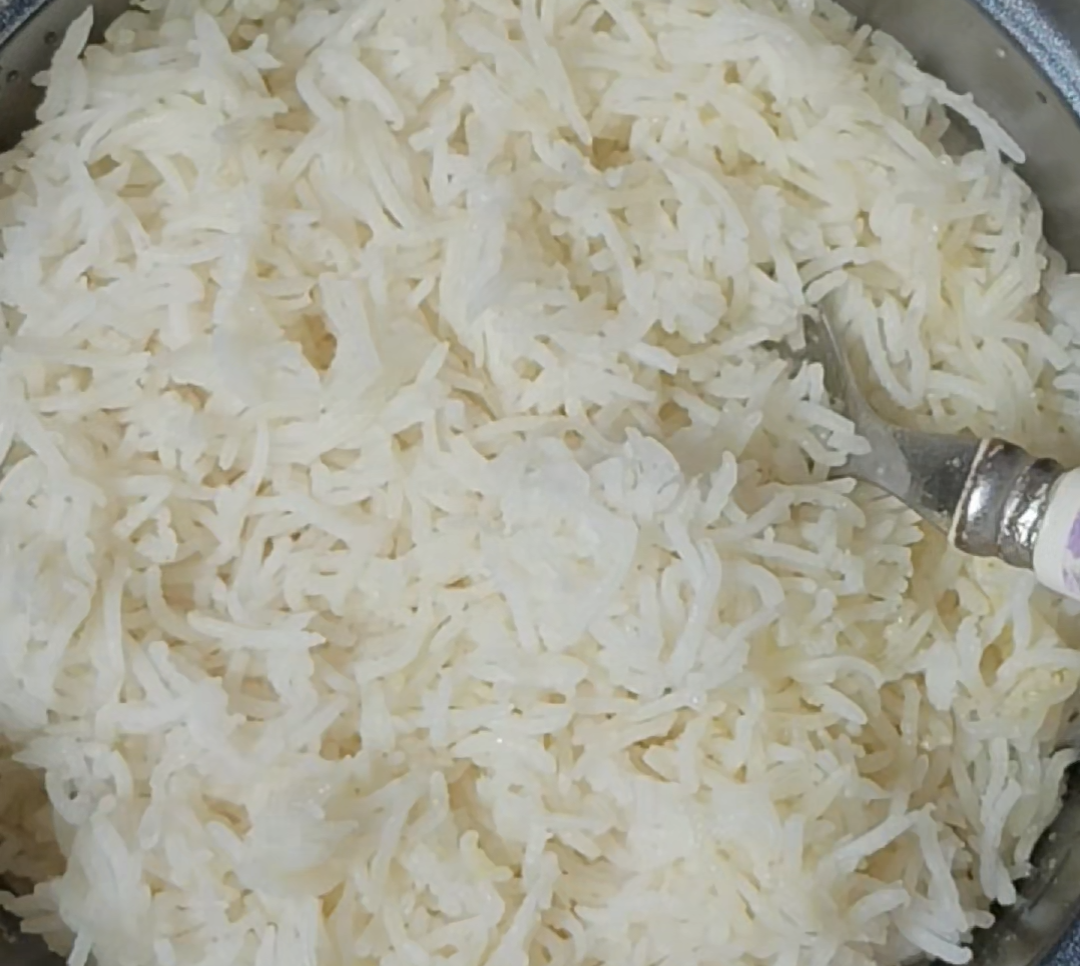
The goal is those lovely separate grains.
Lackie's Notes
Rice doesn't need to be complicated.
Learn the method that works for the rice you actually buy and the equipment you actually use, then stick with it.
My regular basmati method is simple: soak the rice for at least 30 minutes, use 2 cups of soaked basmati rice to 1½ cups of water in my rice cooker, let the machine do its thing, then leave the rice on warm for at least 10 minutes before fluffing.
And yes, I like my grains separate.
Like some relationships.