Cooking Guides
How to Cook Pasta: A Practical Guide
Pasta is one of those ingredients that can turn into dinner with very little fuss, but a few simple decisions can make a big difference to the finished dish.
How much should you rely on the cooking time on the packet? Do you really need oil in the water? Should cooked pasta be rinsed? And what exactly does al dente mean?
This guide covers the practical basics of cooking pasta, from choosing your pasta and preparing the water to checking for doneness, draining, using pasta water and bringing everything together with your sauce.
The goal isn't to create one rigid formula for every bowl of pasta. Different shapes, brands and dishes can behave differently. Instead, this guide will help you understand what to look for so you can cook pasta with more confidence.
By Esther LackiePublished
Choosing Your Pasta
There are hundreds of pasta shapes, but choosing one doesn't need to be complicated.
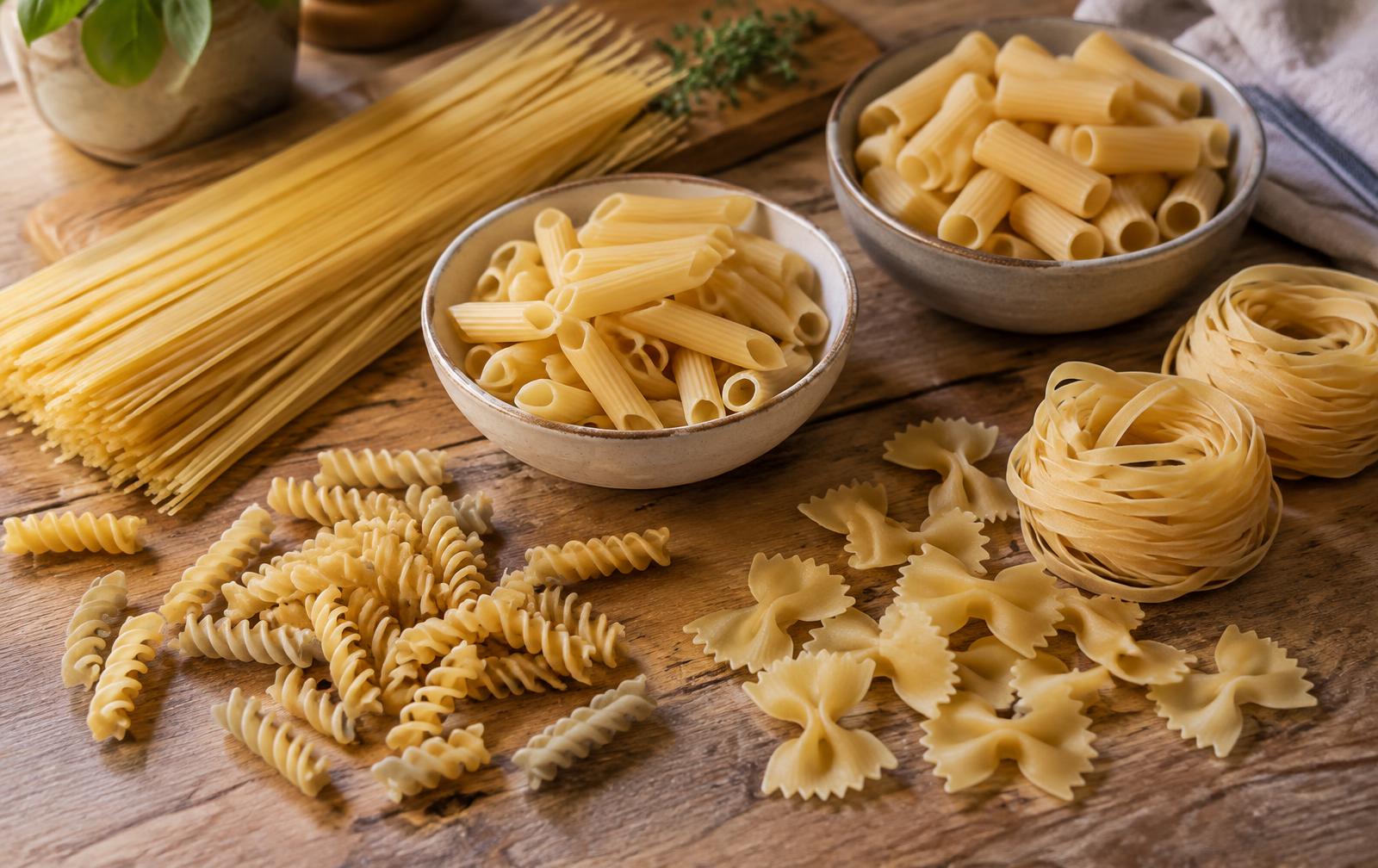
Different shapes interact with sauces differently. Long pasta such as spaghetti and linguine works differently on the plate from tubes such as penne and rigatoni, while shapes with ridges, twists or hollows can catch pieces of sauce and other ingredients.
The best choice often comes down to the dish you're making and the texture you want. A few shapes you'll probably recognise:
- Spaghetti
- Penne
- Fusilli
- Farfalle
- Rigatoni
- Linguine
- Tagliatelle
Choosing the Right Pot
Give pasta enough room to cook comfortably. Choose a pot that can hold the pasta and boiling water without becoming dangerously full or difficult to stir.
Long pasta such as spaghetti also needs enough room to soften into the water as it cooks.
There's no single correct pot size for every amount and shape of pasta. What matters is having enough space to stir and avoiding an overfilled pot that can easily boil over.
Getting the Water Ready
Bring the water to a good boil before adding dried pasta. The pasta needs enough water to move and cook without becoming tightly packed together.
You may see very precise water-to-pasta ratios in different recipes and guides. The size of your pot, the amount of pasta and the cooking method all vary, so focus on using enough water for the pasta to cook comfortably rather than following one fixed ratio.
Source: Barilla, How to Cook Pasta
Should You Salt Pasta Water?
Salting the cooking water is a common way to season pasta as it cooks.
How much you add depends on the dish you're making and your own dietary needs and preferences, so you won't find a set amount per litre here. If you follow a medically advised sodium restriction, go with the advice that applies to you rather than a general cooking guide.
Should You Add Oil to Pasta Water?
For ordinary dried pasta, adding oil to the cooking water isn't necessary to stop the pasta sticking. Use enough water and stir the pasta instead, particularly right after it goes into the pot.
Oil floating on the water doesn't replace stirring. Depending on how the pasta is drained, it can also leave a coating on the pasta, which may make it harder for some sauces to cling.
Source: Barilla, How to Cook Pasta
Adding the Pasta
Once the water is boiling, add the pasta. Short shapes such as penne, fusilli or farfalle can go straight in, followed by a stir.
For long pasta such as spaghetti, let the submerged ends begin to soften, then gently guide the rest into the water rather than forcing dry strands into the pot.
Stir soon after adding the pasta. This helps separate the pieces or strands while their surfaces are starting to cook.
Why Stirring Matters
Pasta can stick to itself, especially early in cooking. Stirring keeps the pieces or strands moving and separated.
You don't need to stand over the pot stirring the whole time, but don't add the pasta and forget about it either. Keep an eye on it and stir as needed.
Source: Barilla, How to Cook Pasta
How Long Should Pasta Cook?
There's no single cooking time that applies to every pasta. Different shapes, thicknesses and brands can need different amounts of time.
Start with the cooking instructions on the packet as a useful guide. As the pasta approaches that time, taste a piece and check the texture yourself.
If the pasta will keep cooking in a hot sauce after draining, take that extra cooking into account.
Source: Barilla, How to Cook Pasta
What Does Al Dente Mean?
Al dente is an Italian term commonly used for pasta that is cooked but still has some firmness when you bite it. It shouldn't be raw and hard in the centre, but it shouldn't be so soft that it has lost its structure either.
Texture is easier to judge by tasting than by looking. Personal preference matters too. If you like softer pasta, cook it a little longer. The point is to recognise the texture you want.
Taste, Don't Just Watch the Clock
The packet gives you a useful starting point, but tasting is one of the simplest ways to decide whether pasta is ready.
As it approaches the expected time, carefully take out a piece, let it cool enough to taste safely and check the texture. If it's still firmer than you want, keep cooking and check again.
If it's going into a sauce where it will keep cooking, remember that it can soften further there.
Save Some Pasta Water
Before draining, it can be useful to save some of the cooking water. As pasta cooks, some starch moves into the water.
A little of that starchy water can help loosen a sauce that's too thick and help the pasta and sauce come together. You don't have to use it in every dish. Think of it as a handy tool rather than a rule.
Draining Pasta
When the pasta reaches the texture you want, drain it carefully. Hot pasta water can cause serious burns, so handle the pot and colander with care and keep the steam away from your face and hands.
If you want some cooking water for the sauce, reserve it before draining. If the pasta is going into a hot sauce, try not to leave it sitting around for long once drained.
Should You Rinse Cooked Pasta?
For pasta going straight into a hot sauce, rinsing is generally unnecessary. It removes surface starch that can help the pasta and sauce come together.
There are times when rinsing makes sense, depending on the dish. Some cold pasta preparations, for example, use pasta that has been rinsed and cooled. It comes down to what you're making.
Bringing Pasta and Sauce Together
Rather than treating pasta and sauce as two separate things that only meet on the plate, try combining them before serving when the dish allows.
Add the drained pasta to the sauce and toss or stir gently so the sauce coats it. If the sauce needs loosening, add a little reserved pasta water rather than automatically reaching for more oil or another ingredient.
Letting the pasta spend a short time with the sauce can help the whole dish come together.
Common Pasta Mistakes
- 01
Adding oil to the water just to prevent sticking
Stirring is the more useful tool for keeping ordinary dried pasta separated.
- 02
Forgetting to stir
Pasta can stick together, especially early in cooking.
- 03
Relying only on the timer
Packet instructions are a useful starting point, but tasting tells you directly about the texture.
- 04
Overcooking pasta before it goes into a hot sauce
If the pasta will keep cooking in the sauce, it can soften further there.
- 05
Pouring away all the pasta water
If the dish could benefit from it, reserve some before draining.
- 06
Automatically rinsing pasta meant for a hot sauce
The surface starch can help the pasta and sauce come together.
- 07
Letting drained pasta sit too long before saucing
Where it suits the dish, bring pasta and sauce together while the pasta is still hot.
Pasta Myths
A few things you might have heard about cooking pasta, and what to do instead.
Do You Need Oil in Pasta Water?
Not simply to stop ordinary dried pasta sticking. Stirring is more useful. Oil in the water isn't a substitute for stirring and can end up coating the drained pasta.
Source: Barilla, How to Cook Pasta
Should You Throw Spaghetti at the Wall?
You may have heard that spaghetti is ready when you throw a strand at the wall and it sticks. Your kitchen wall doesn't need to be involved.
Taste the pasta instead. It's cleaner, more useful and tells you directly whether the texture is right for you.
Does Pasta Always Need Rinsing?
No. If pasta is going straight into a hot sauce, rinsing is usually unnecessary and removes surface starch that helps the sauce and pasta come together. Some cold preparations do use rinsed pasta, so the answer depends on what you're making.
Storing Cooked Pasta
If you have leftover cooked pasta, cool and refrigerate it promptly rather than leaving it at room temperature for long periods. Store it in a suitable covered container.
USDA guidance for cooked leftovers generally recommends using refrigerated leftovers within 3 to 4 days.
If the pasta is mixed with meat, seafood, dairy or another perishable sauce, remember that the safety of the whole dish matters, not just the pasta.
Source: USDA Food Safety and Inspection Service, How long can you keep leftovers in the refrigerator?
Reheating Pasta
How best to reheat pasta depends partly on how it was first served. Pasta already mixed with sauce can often be reheated gently, with a small splash of liquid if needed to stop the sauce drying out. Plain cooked pasta can be reheated in different ways depending on the dish you're using it for.
Whichever way you do it, heat leftovers thoroughly and follow appropriate food-safety guidance.
Pasta Recipes on Lackie Flavors
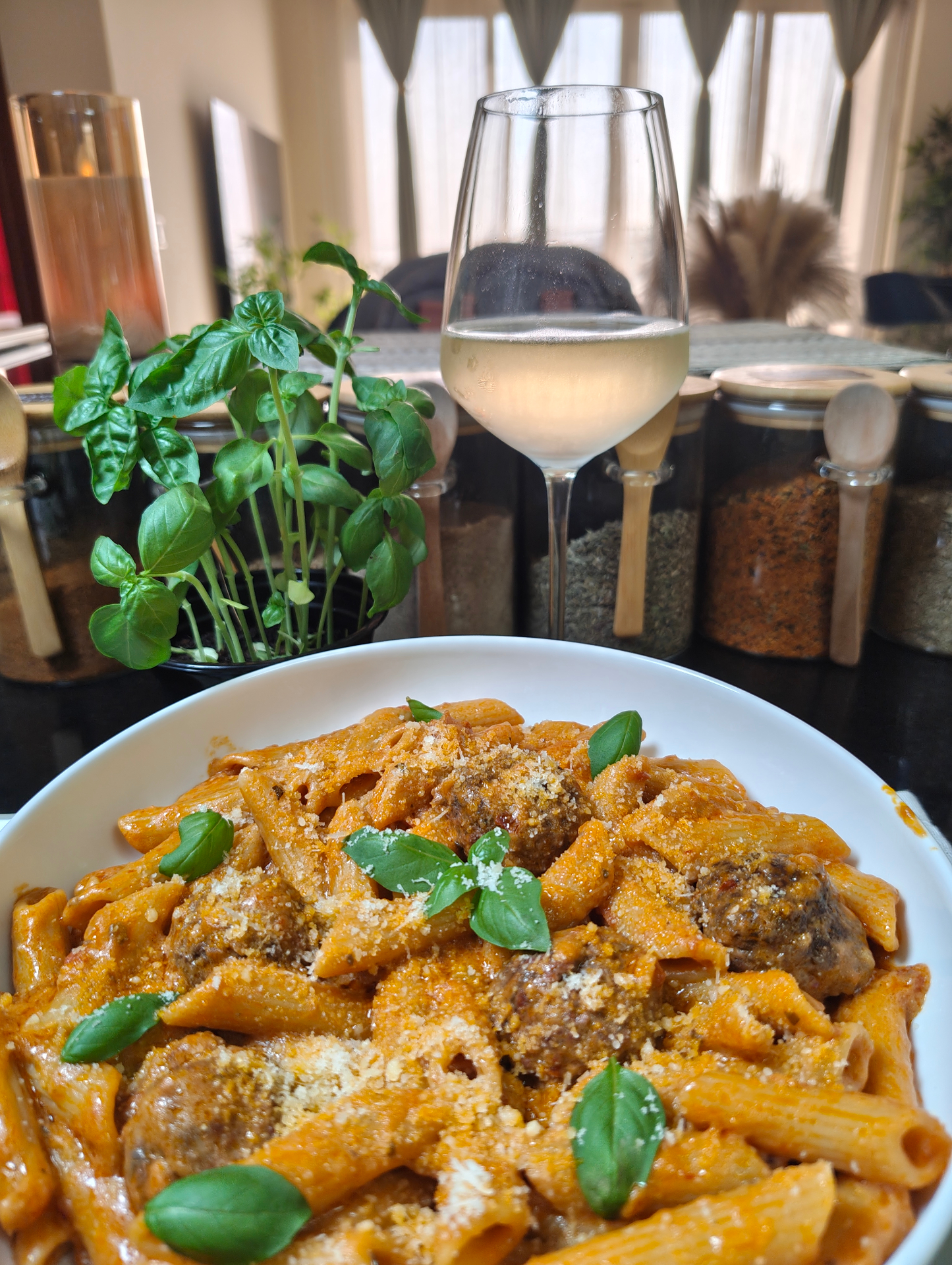
If you'd like to put these basics into practice, my Penne with Meatballs in Garlic Tomato Sauce is a comforting example. The penne is cooked separately, then added to the meatballs and creamy tomato sauce so everything comes together in the pan.
The photo shows that genuine Lackie Flavors dish as I made it. It's one example of a finished pasta dish, not an illustration of every technique in this guide.
Final Thoughts
Cooking pasta doesn't need to be complicated.
Start with boiling water, season it appropriately, stir the pasta and use the packet instructions as a guide rather than treating the timer as the only measure of doneness.
Taste the pasta as it approaches the texture you want, save some cooking water if it will help your sauce, and think about the pasta and sauce as parts of the same finished dish.
Once you understand those basics, it becomes much easier to adjust the method to different pasta shapes, sauces and recipes.